
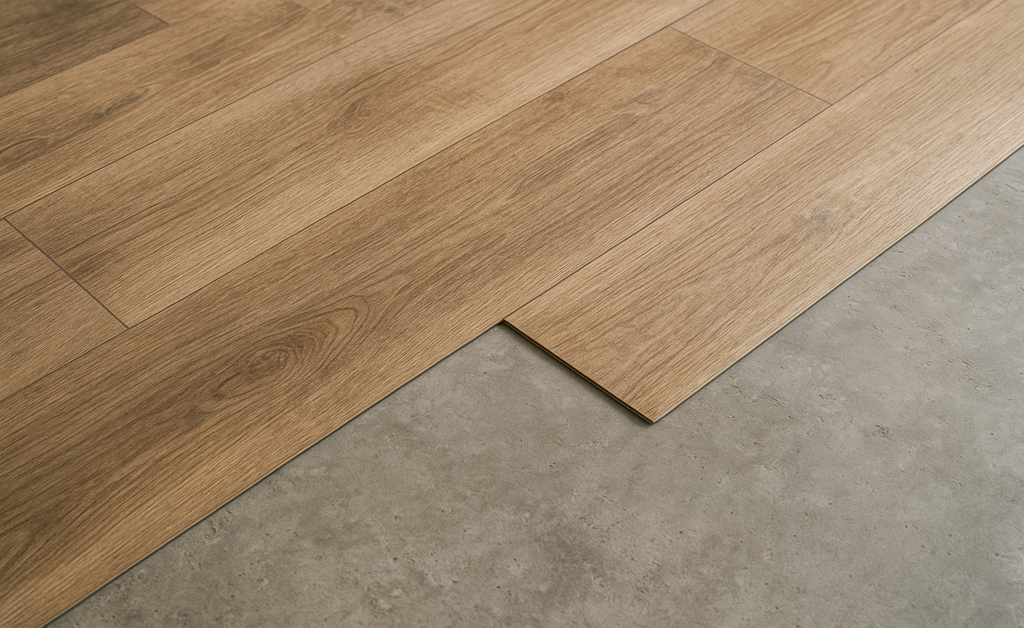
Vinyl flooring is one of the most sought-after flooring solutions for homes that have concrete floors. Vinyl flooring can be made from a number of materials and can be designed as hardwood, stone, and many other materials, and it is very affordable compared to other flooring materials available on the market today. But a common question that we are asked on a regular basis is…do I need underlayment for vinyl flooring on concrete?
In brief, we answer “Yes” and explain why below. As concrete specialists, we have seen firsthand just how essential a role underlayment for vinyl flooring on concrete can play when it comes to flooring installation.
Among other considerations, underlayment is essential because it protects your flooring from moisture, and this is one of its most essential tasks that most people may not be aware of.
From underlayment on concrete to sidewalk repair cost, Bill’s Custom Concrete is your place for concrete-related information. So, let’s get started!
What is Underlayment?
Underlayment is a thin layer of material that is placed between your subfloor and installed flooring. You can think of this as a cushion that helps deal with problems such as moisture, uneven flooring, and temperature changes. Some of these materials may include foam, rubber, and cork, all of which have varied advantages based on your preferences.
Although some of these vinyl flooring products have underlayment attached, many of them don’t. That is when you have to consider whether or not you’re going to lay down your own underlayment.
Underlayment on Concrete and Its Importance
Although concrete may appear as a perfect flooring material for vinyl products, it has its flaws that may be remedied by underlayment.
Establishing a Moisture Barrier
It is porous, meaning that it can absorb and then evaporate water. Even if you have a house that is climatically controlled, your concrete foundations can still migrate moisture vapor into the air, and this can migrate into your vinyl flooring, causing warping, growth of molds, or failure of adhesives.
Moisture-blocking underlayments lay down a barrier that protects your flooring from dryness and damage. Moisture-resistant underlayments are always preferred for concrete flooring projects, especially when these projects involve basements or first floor levels. If you are searching for the best underlayment for vinyl flooring on concrete, focus on options with superior moisture resistance.
Smoothing Out Uneven Surfaces
Since concrete floors never end up as smooth as other floor materials, small cracks and pocks on these floors can be expected, and these flaws can be transmitted to a vinyl floor installation if not covered.
Underlayment is used as a leveling layer, reducing small irregularities and providing a more even surface for your vinyl or tile flooring installation. By doing this, it gives you a more professional and longer-lasting result.
Adding Comfort and Insulation
Cement is hard and cold, and this is not exactly desirable for comfort and energy efficiency. Walking on exposed vinyl flooring on concrete is quite abrasive on the feet, especially during winter.
Underlayment installation brings a cushioned effect, making it more comfortable stepping on and standing on these floors. It is also a great insulator, keeping that space warm, thereby reducing heating bills. Those who ask for the best underlayment for vinyl plank flooring on concrete often prioritize both insulation and comfort.
Removing Noise
Hard surfaces such as concrete or vinyl flooring have poor sound absorption characteristics. Walking, falling items, and other daily activities can cause echoes and noise problems.
Underlayments help reduce noise, making your house quieter than it would be otherwise. You can be most assured of this feature if you live in a multi-story house or apartment.
Should You Skip Underlayment?
There are times when underlayment may not be required at all. If your vinyl floor comes equipped with built-in underlayment and your concrete floor is smooth, dry, and protected, then you can consider going without the underlayment, but we still advise that you contact a professional about this matter. Adding underlayment initially may seem expensive, but replacing flooring that has been damaged is more costly than you think.
Setting Your Floors Up for Success
It is possible to lay vinyl flooring on concrete without underlayment, but it is not the most optimal option. Underlayment helps protect against moisture, ensures a flat surface, increases comfort, and dampens noise, and all these advantages can be achieved for just a little more money and effort.
Over the years, we have handled numerous concrete projects, and flooring that includes the installation of underlayments generally turn out better. If you would like your vinyl flooring to look fantastic and last for many years, then underlayments are an investment you won’t regret!