Concrete Pation

Creative Uses for Stamped Concrete Beyond Patios

When you think of stamped concrete, your mind may immediately jump to stunning patios that enhance outdoor spaces. While patios are indeed a popular application, stamped concrete offers a world of possibilities that go far beyond this traditional use. With a variety of stamped concrete colors and patterns available, homeowners and businesses can create unique and attractive spaces with stamped concrete in Oklahoma City. Let’s explore some creative uses for stamped concrete that you might not have considered.

1. Walkways and Pathways

One of the most practical applications for stamped concrete is in walkways and pathways. Stamped concrete can create beautiful paths that lead guests through gardens, yards, or commercial properties. By choosing different stamped concrete colors and patterns, you can design walkways that seamlessly blend with the surrounding landscape. For instance, a stone-like texture can mimic natural pathways, providing an organic feel that enhances the outdoor experience.

2. Driveways

Transforming a mundane driveway into an eye-catching feature is another great use for stamped concrete. Instead of the typical plain gray slab, stamped concrete driveways can mimic the appearance of brick or cobblestone, adding charm and character to your home. With a range of colors available, you can select a shade that complements your home’s exterior. Additionally, using stamped concrete for driveways is not only aesthetically pleasing but also durable and low-maintenance, making it a smart choice for homeowners.

3. Pool Decks

A pool deck is another area where stamped concrete can shine. The surface around your pool can be both functional and attractive. Stamped concrete provides a slip-resistant surface, ensuring safety for swimmers and sunbathers alike. You can opt for light-colored stamped concrete colors to reflect heat, keeping the area cooler on hot summer days. Patterns that resemble natural stone or tile can create a luxurious atmosphere around your pool, making it the perfect setting for relaxation and entertainment.

4. Commercial Spaces

Businesses can also benefit from stamped concrete. Whether it’s a retail store, restaurant, or office building, adding stamped concrete can enhance curb appeal and create a welcoming atmosphere. For example, outdoor dining areas can utilize stamped concrete to create inviting patios that draw in customers. Additionally, walkways leading to entrances can be designed with vibrant stamped concrete colors that match the branding of the business, ensuring a cohesive and professional look.

5. Driveway Aprons

The transition between the street and your driveway is often overlooked, but it can make a significant impact on your home’s overall appearance. A stamped concrete apron can set your driveway apart from the rest of the pavement. By incorporating designs that mimic natural stone or traditional brick, you can create a stylish entrance to your property. This is a fantastic opportunity to play with stamped concrete colors, allowing for a blend of tones that enhance the aesthetics of your home.

6. Outdoor Living Areas

Outdoor lounge area, shaded with colorful beams. Cozy wicker sofas surround a glass-top coffee table.

Incorporating stamped concrete into outdoor living areas can elevate your outdoor experience. Think of outdoor kitchens, fire pits, or seating areas. Stamped concrete can be used to create durable surfaces that are both functional and stylish. By choosing stamped concrete colors that complement the natural surroundings or your home’s exterior, you can create a cohesive design that enhances your outdoor space.

7. Garden Edging

Using stamped concrete as garden edging is a creative way to define your flower beds and landscaped areas. This application provides a clean and polished look while helping to keep mulch or soil contained. You can choose from various patterns and colors to match the plants and flowers in your garden. Stamped concrete edging is also more durable than traditional wooden or plastic options, ensuring your garden maintains its neat appearance for years.

8. Retaining Walls

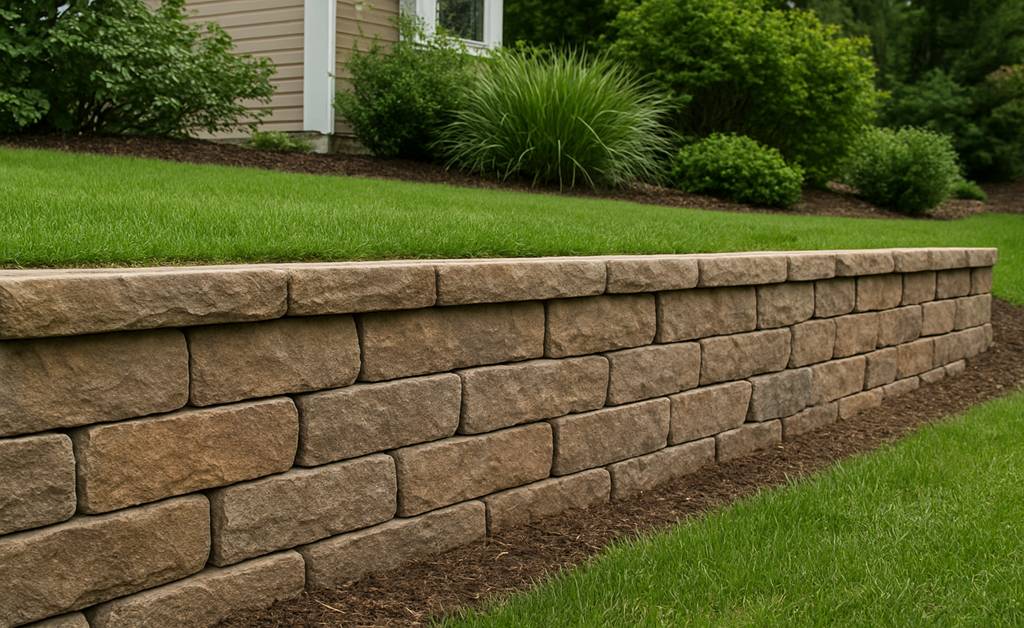
For those looking to add structure and support to their landscaping, stamped concrete can be a stunning choice for retaining walls. Stamped concrete allows you to create walls that mimic the look of natural stone or brick, providing both strength and beauty. This is an excellent way to enhance the visual appeal of sloped yards or to create terraced gardens. The versatility of stamped concrete colors means you can select shades that harmonize with your landscape.

9. Indoor Flooring

While stamped concrete is often associated with outdoor applications, it can also be a fantastic choice for indoor flooring. Homeowners can enjoy the durability and ease of maintenance that stamped concrete provides. By selecting warm, inviting stamped concrete colors, you can create an elegant and welcoming interior space. Whether in basements, entryways, or kitchens, stamped concrete can offer a unique alternative to traditional flooring options like tile or hardwood.

10. Commercial Parking Lots

Stamped concrete can also be an innovative choice for commercial parking lots. While practicality is crucial in this application, aesthetics should not be overlooked. Stamped concrete colors can create designated spaces and pathways that guide customers effectively through parking lots. Additionally, using stamped concrete can add character to an otherwise utilitarian area, making a great first impression on visitors.

Stamped concrete offers a wide range of creative uses that go well beyond patios. From enhancing walkways and driveways to transforming commercial spaces and indoor areas, the possibilities are endless. With a variety of stamped concrete colors and patterns available, you can personalize each space to match your style and preferences. If you’re considering stamped concrete for your next project, you’ll be amazed at how it can enhance the beauty and functionality of your home or business. Embrace the versatility of stamped concrete, and let your imagination run wild. 

Transform Your Space with Bill’s Custom Concrete!

At Bill’s Custom Concrete, we believe that every outdoor area has the potential to shine. Whether you’re looking to enhance your patio, driveway, or any other space with stunning stamped concrete, our team is here to bring your vision to life. Contact us today to discover how we can elevate your property with our professional concrete services in Oklahoma City!

Read More
Foundation Cracks

Understanding Foundation Cracks: Types, Causes, & Prevention Tips

What Causes Foundation Cracks?

Foundation cracks can develop for a variety of reasons, and understanding the root cause is crucial for addressing the issue. Here are some of the most common factors that lead to foundation cracks:


  • Soil Movement: The expansion and contraction of soil beneath your foundation are leading causes of cracks. During wet conditions, the soil absorbs moisture and expands, putting pressure on the foundation. Conversely, in dry periods, the soil shrinks, creating gaps that may cause the foundation to settle unevenly, resulting in cracks.
  • Water Damage: Poor drainage around the foundation can lead to water pooling, which weakens the soil and creates pressure on the structure. Over time, the buildup of moisture can cause foundation materials to deteriorate, increasing the likelihood of cracking.
  • Poor Construction: If a foundation isn’t constructed properly, it may not be able to support the weight of the structure over time. Inadequate concrete mixtures, improper reinforcement, or errors in leveling can contribute to early cracking.
  • Temperature Changes: Extreme fluctuations in temperature can cause the foundation materials to expand and contract. These shifts can weaken the foundation over time, leading to cracks, especially in regions where temperatures swing drastically between seasons.
  • Tree Roots: The roots of large trees or shrubs near the foundation can grow and spread under the structure, displacing soil and causing the foundation to shift. This movement can result in cracks forming in the concrete.

Understanding the cause of your foundation cracks is the first step in addressing the issue and preventing further damage.

Why Your Foundation May Be Cracking

Foundation cracks are often a sign that something beneath or around your home is shifting. Here are a few reasons why your foundation may be cracking:

  • Uneven Settling: Over time, the soil beneath your home can shift or compact unevenly, causing parts of the foundation to sink or settle at different rates. This uneven movement puts stress on the foundation, leading to cracks, especially in areas where the soil wasn’t properly compacted during construction.
  • Excess Moisture: If water isn’t draining properly around your home, it can collect around the foundation. Excessive moisture causes the soil to become soft and unstable, allowing the foundation to move or settle, which can result in cracks. In areas with heavy rainfall or poor drainage systems, this is a common cause of foundation issues.
  • Drought Conditions: On the opposite end, very dry conditions can also affect your foundation. When the soil loses moisture, it shrinks and pulls away from the foundation, creating voids. This lack of support can cause sections of the foundation to crack as it shifts or settles unevenly.
  • Poor Soil Conditions: Certain types of soil, like clay, are more prone to expanding and contracting with changes in moisture. If your home is built on this type of soil, the constant shifting and pressure can lead to cracks in the foundation. Soils with a high clay content are especially vulnerable to these fluctuations.
  • Inadequate Reinforcement: If your foundation wasn’t properly reinforced during construction, it may not be able to withstand the natural settling process of the house. Foundations require proper reinforcement to resist cracking as the home settles over time. Without adequate support, even small shifts in the structure can lead to visible cracks.
  • Natural Disasters: Events like earthquakes, flooding, or heavy storms can shift the ground and compromise your foundation. Even small tremors can cause structural damage over time, particularly in older homes that may not be built to withstand such forces.


Different Types of Foundation Cracks and What They Mean

Foundation cracks come in various forms, each providing clues about the underlying issue. Here’s a breakdown of the most common types of foundation cracks and what they could indicate, with tips on how to address them through foundation crack repair in Oklahoma City.


  • Vertical Cracks: Vertical cracks are the most common and usually run straight up and down or slightly diagonal, following the wall’s line. These cracks are often a result of normal settling and are typically less serious. However, if they appear suddenly or widen over time, it could be a sign of excessive settling or soil movement.


What they mean:

In most cases, vertical cracks are not a major concern, especially if they are thin (less than 1/8 inch wide). These cracks often result from natural settling and can be repaired with simple methods like filling and sealing. However, if they continue to widen, it may indicate more significant foundation shifting.


  • Horizontal Cracks: Horizontal cracks are more concerning and usually appear on the walls of basement foundations or crawl spaces. These cracks are often caused by excessive pressure from soil pushing against the foundation, usually due to water buildup or expanding soil.


What they mean:

Horizontal cracks are a sign of structural stress and could indicate a more serious problem, such as bowing or shifting foundation walls. If left unaddressed, these cracks can worsen over time, leading to more severe structural issues. It’s essential to have horizontal cracks inspected and repaired promptly to prevent further damage.


  • Diagonal Cracks: Diagonal cracks typically run at a 30 to 75-degree angle from the vertical, often appearing on walls or corners of foundations. These cracks are usually caused by uneven settling of the foundation, where one side sinks more than the other. This can happen due to poor drainage, soil movement, or inconsistent support beneath the foundation.


What they mean:

Diagonal cracks suggest uneven foundation movement and should be monitored closely. If the cracks are wider at the top than at the bottom (or vice versa), it indicates significant foundation shifting. Minor diagonal cracks can often be repaired, but larger or widening cracks may require more extensive foundation stabilization.


  • Stair-Step Cracks: These cracks resemble a staircase and usually follow the mortar joints in brick or block foundations. Stair-step cracks are often seen in homes with brick or block walls and are a sign of foundation movement.


What they mean:

Stair-step cracks indicate settlement issues and can be a warning of serious foundation problems if they become wider over time. The movement of soil or water buildup around the foundation can exacerbate these cracks. If they’re expanding, it’s important to address the underlying cause to prevent further damage.


  • Hairline Cracks: Hairline cracks are very small, fine cracks that often occur in newly poured concrete as it cures. These cracks are typically surface-level and don’t extend deep into the foundation.


What they mean:


Hairline cracks are usually harmless and a normal part of the concrete curing process. They generally don’t pose a structural threat, but it’s still important to monitor them. If they start to grow or become wider, it could indicate a larger issue that requires attention.

By understanding the types of foundation cracks and what they mean, homeowners can take the appropriate steps to address potential issues before they escalate into costly repairs.


Tips for Preventing Cracks and Managing Damage

Cracked white wall with irregular lines and textures, suggesting age and wear.

While foundation cracks can’t always be completely avoided, there are steps homeowners can take to minimize the chances of cracks forming and to manage any existing damage before it worsens. Here are some effective tips for preventing cracks and addressing foundation issues:


Ensure Proper Drainage

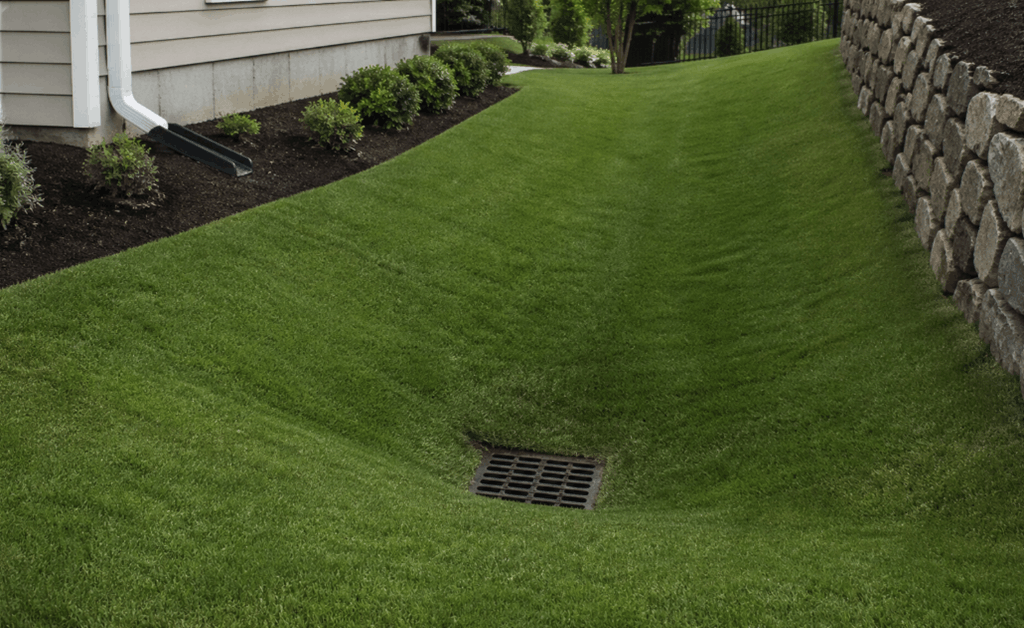
One of the main causes of foundation cracks is excess moisture around the foundation. Make sure your home’s drainage system directs water away from the foundation. Install gutters, downspouts, and French drains to channel rainwater and runoff away from your home’s base. Regularly clean your gutters to prevent clogs and overflowing.

Tip: Ensure that downspouts extend at least several feet away from the foundation to reduce water pooling near the base of the home.


Monitor Soil Moisture Levels


During periods of drought or extreme dryness, the soil around your foundation can shrink, leading to cracks. Keep the soil around your foundation evenly moist by watering it during dry spells. However, avoid overwatering, as excessive moisture can also lead to foundation movement.

Tip: Use soaker hoses to maintain consistent moisture levels in the soil during dry conditions to prevent it from pulling away from the foundation.


Repair Leaks and Plumbing Issues Promptly


Leaking pipes, especially those close to the foundation, can cause water to accumulate around the base of the house, weakening the foundation and leading to cracks. Inspect your home’s plumbing system for leaks and have any issues repaired quickly to prevent water damage.

Tip: Pay special attention to basement areas and plumbing near the foundation walls, as leaks in these areas are more likely to affect the foundation.


Maintain Proper Grading Around the Home


The ground surrounding your home should slope away from the foundation to prevent water from accumulating near the base. Poor grading can cause water to pool and seep into the soil, eventually leading to foundation issues. Ensure that the slope of the ground directs water away from the house.

Tip: A slope of at least 6 inches over 10 feet is recommended to keep water from draining toward the foundation.


Install Root Barriers


Tree roots can extend under your foundation and disrupt the soil, causing it to shift. If you have large trees or shrubs near your home, consider installing root barriers to prevent the roots from affecting the foundation. These barriers can protect both the foundation and the tree by redirecting root growth away from the house.

Tip: Plant trees and large shrubs at a safe distance from your home to reduce the likelihood of root intrusion.


Seal Cracks Early


If you notice small cracks forming in your foundation, address them early before they become larger. Sealing minor cracks with epoxy or polyurethane can prevent moisture from entering and causing further damage. This is especially important for hairline and vertical cracks, which can be fixed relatively easily.

Tip: Regularly inspect your foundation for any signs of cracking or shifting, and repair small cracks immediately to avoid expensive repairs down the line.


Monitor Foundation Movement


It’s important to keep an eye on your foundation over time. Small cracks are normal, but if you notice cracks growing in width or length, or if new cracks are forming frequently, it may indicate a deeper issue. Regular monitoring can help you catch problems early and prevent costly repairs.

Tip: Take note of any new or worsening cracks, particularly horizontal or diagonal ones, as these may suggest more significant foundation issues that require professional attention.


Use Foundation Watering Systems

In areas with highly expansive soils, foundation watering systems can help maintain consistent moisture levels around your home. These systems release water into the soil at controlled intervals, preventing extreme expansion and contraction of the soil, which can lead to cracks.


Tip: Consider installing an automated foundation watering system if you live in a region prone to soil movement due to moisture fluctuations.


By taking proactive steps to prevent foundation cracks and managing any damage early on, homeowners can avoid more serious and costly issues in the future. Regular maintenance, proper drainage, and prompt repairs are key to preserving the health and stability of your home’s foundation.


Protect your home’s foundation by addressing cracks early. Contact Bill’s Custom Concrete today for reliable foundation inspection and repair solutions. Keep your foundation strong and secure—reach out now!

Read More
driveway topping in OKC Image

Top 10 Benefits of Installing a Concrete Driveway for Your Home

A well-constructed driveway not only enhances the curb appeal of your home but also provides functional benefits. Among the various driveway materials available, concrete stands out as a durable and versatile option. In this blog, we’ll explore the top 10 benefits of installing a concrete driveway for your home, taking into consideration factors like cost, durability, and aesthetics. Whether you’re interested in concrete driveways, driveway topping in OKC, or seeking information on blacktop driveway costs in Oklahoma City, this guide will provide valuable insights.

1. Durability and Longevity:

Concrete driveways are known for their strength and longevity. They can withstand heavy loads and harsh weather conditions, making them an ideal choice for long-term use. With proper maintenance, a concrete driveway can last for decades, providing a durable surface for your vehicles.

2. Low Maintenance:

Concrete driveways need less upkeep than other materials. Regular cleaning and occasional resealing are usually sufficient to keep the surface in excellent condition. This modest level of upkeep can save homeowners time and money in the long term.

3. Aesthetic Versatility:

Concrete driveways in Oklahoma City offer a wide range of design possibilities. Whether you prefer a traditional look or a more decorative style, concrete can be customized to match your aesthetic preferences. Different finishes, colors, and patterns are available, allowing you to create a driveway that complements your home’s architecture.

4. Increased Property Value:

The installation of a concrete driveway can enhance the overall value of your property. Potential homebuyers often see concrete driveways as a desirable feature due to their durability and aesthetic appeal. This can contribute positively to the resale value of your home.

5. Cost-Effective Over Time:

While the upfront cost of installing a concrete driveway may be higher than some alternatives, the long-term cost-effectiveness is noteworthy. Concrete’s durability and low maintenance requirements mean fewer repair costs over time, making it a cost-effective choice in the grand scheme.

6. Quick Installation:

Concrete driveways may be erected fast when compared to other materials. This is advantageous for homeowners looking for a timely and efficient solution to enhance their property. Faster installation minimizes disruption to your daily routine.

7. Weather Resistance:

Concrete driveways perform well in various weather conditions. They are resistant to damage from extreme temperatures, and they do not soften or become rutted in hot weather. Additionally, concrete’s reflective properties help minimize snow and ice buildup during colder months.

8. Environmentally Friendly:

Concrete is an environmentally friendly material. It lasts longer than many alternatives, minimizing the need for frequent replacements. Additionally, concrete is recyclable, making it a sustainable choice for eco-conscious homeowners.

9. Enhanced Safety:

Concrete driveways offer a safe and stable surface for vehicles and foot traffic. They provide better traction, reducing the risk of slips and falls. The even surface of concrete driveways also minimizes tripping hazards.

10. Local Expertise:

Partnering with local professionals for your concrete driveway project ensures a customized solution tailored to the specific needs and conditions of Oklahoma City. For residents seeking top-notch service, Bill’s Custom Concrete & Yard Drainage stands out as a trusted name. With expertise in concrete driveways, sidewalk costs, and driveway topping in OKC, Bill’s Custom Concrete & Yard Drainage is dedicated to delivering quality results.

Conclusion:

In conclusion, the benefits of installing a concrete driveway for your home are diverse and impactful. From durability and low maintenance to aesthetic versatility and increased property value, concrete driveways offer a well-rounded solution. For residents in Oklahoma City seeking professional services, Bill’s Custom Concrete & Yard Drainage is a reliable partner Call at (405) 755-3975 . 

Whether you’re interested in concrete driveways, exploring driveway topping options in OKC, or inquiring about blacktop driveway costs in Oklahoma City, the expertise of Bill’s Custom Concrete & Yard Drainage ensures a seamless and satisfactory experience. Invest in the longevity and appeal of your home by choosing a concrete driveway that stands the test of time.


Read More
foundation repair in OKC Image

Choosing the Right Foundation Repair Method For Your Home

The foundation of your home is its literal and metaphorical anchor, providing stability and support. When signs of foundation issues arise, choosing the right repair method becomes crucial in ensuring the long-term integrity of your property. In this comprehensive guide, we’ll explore the key considerations in selecting the appropriate foundation repair method for your home, touching upon factors like cost, effectiveness, and the expertise of foundation repair companies.

Understanding Foundation Repair: A Vital Investment

Foundation issues can manifest in various ways, from visible cracks in walls to uneven floors and sticking doors. Addressing these problems promptly is essential to prevent further damage and maintain the structural soundness of your home. Foundation repair is an investment in the longevity and safety of your property, and the first step is identifying the right method for your specific needs.

Professional Assessment: The Foundation of Informed Decisions

Before diving into foundation repair in OKC options, a professional assessment by qualified foundation repair companies is paramount. Certified inspectors can identify the root cause of the issues, assess the extent of damage, and recommend tailored solutions. This assessment forms the foundation for making informed decisions about the most suitable repair method.

Common Foundation Repair Methods: An Overview

  1. Concrete Pressed Piling: Ideal for homes with a concrete slab foundation, this method involves driving concrete cylinders into the ground until they reach stable soil, providing support and lifting the foundation.
  2. Steel Piers: Utilizing steel pipes, this method is effective for stabilizing foundations resting on expansive clay soils. The piers are driven into stable soil to prevent further settlement.
  3. Helical Piers: Screw-like helical plates are used to anchor the foundation to load-bearing soil or bedrock. This method is versatile and suitable for various soil conditions.
  4. Concrete Piering: Involves drilling holes into the ground beneath the foundation and filling them with concrete to provide additional support and lift to the structure.
  5. Mudjacking: This method involves injecting a mixture of soil, water, and cement beneath a settled slab to raise it to its original position.

Factors Influencing Method Selection:

  1. Soil Conditions: Different soil types require different approaches. Expansive clay soils may benefit from methods that address moisture fluctuations, while sandy soils might necessitate solutions providing stability.
  2. Severity of Damage: The extent of foundation damage plays a crucial role in choosing the appropriate repair method. Minor cracks may be addressed differently than significant structural issues.
  3. Property Characteristics: The design and layout of your home, including factors like the presence of a basement or crawl space, influence the suitability of various foundation repair methods.

Cost Considerations: Balancing Budget and Effectiveness 

Foundation repair costs in Oklahoma City vary based on the chosen method, the extent of damage, and other contributing factors. It’s essential to strike a balance between budget constraints and the effectiveness of the chosen solution. While some methods may have a higher upfront cost, they might provide long-term value by addressing underlying issues comprehensively.

Comparing Long-Term Benefits:

Consider the long-term benefits of each repair method. Some solutions may offer not only immediate stabilization but also preventive measures against future issues. Evaluating the longevity of the chosen method can impact the overall value of your investment.

Professional Expertise: The X-Factor in Success:

The success of any foundation repair method relies heavily on the expertise of the professionals executing the work. Choosing reputable foundation repair companies with a track record of successful projects and certified technicians ensures the implementation of industry best practices and adherence to local building codes.

Conclusion: A Stable Foundation for the Future of Your Home 

In conclusion, choosing the right foundation repair method for your home is a decision that requires careful consideration of multiple factors. From professional assessments and soil conditions to cost considerations and the expertise of foundation repair companies, each element plays a crucial role in determining the most effective solution. 

By investing the time and effort to make informed decisions, you not only address existing foundation issues but also lay the groundwork for the long-term stability and resilience of your home. Remember, a solid foundation is not just the support for your home; it’s the cornerstone of your peace of mind.

For foundation repair services in Oklahoma City, consider reaching out to Bill’s Custom Concrete & Yard Drainage at (405) 755-3975. The company specializes in foundation repair, offering expertise, competitive pricing, and a commitment to ensuring the structural integrity of your home. With a focus on quality and customer satisfaction, Bill’s Custom Concrete & Yard Drainage is your trusted partner for foundation repair in OKC.

Read More
Laying a foundation - Bill's Custom Concrete

How to repair cracks in your home foundation.

Are your cracks showing?

Often overlooked by the average eye, foundation cracks are pesky little nuisances that pose no major threat to your home’s structural integrity, but over time they can allow openings in your home’s foundation for groundwater leaks, rodents and gas leaks.

A cracked foundation in Oklahoma City can be the result of a multitude of factors. From heavy rainfall to the typical settling of a house as it ages. While any major repairs to a cracked foundation should be done by a professional, like Bill’s Custom Concrete, there are a few do-it-yourself techniques that can help preserve your cracked foundation over time. Looking to fix your foundation in Oklahoma City? Bill’s Custom Concrete will tell you how!

Step 1: Purchase an epoxy sealer.

For surface cracks in a foundation, use a strong epoxy sealer to patch it up. It’s important that you’re careful in your selection of an epoxy sealer. You’ll want to choose an epoxy sealer that is stain-resistant and commercial-grade — strong enough to keep protecting your home’s foundation.

Step 2: Clean your foundation’s crack.

Before patching up your cracked foundation with an epoxy sealer, brush out any loose concrete or other debris protruding from the crack. Then, check to make sure that the foundation crack is dry and that no water is seeping from it. Oklahoma City seasons can be unpredictable, so you’ll want to make sure that you repair your foundation crack on a dry, warm day.

Step 3: Space out your injection ports.

Your epoxy sealer kit should come with injection ports. You’ll want to space the injection ports about 12 inches apart. You can do this easily by driving two 3-in. finishing nails into the foundation crack, measuring accurately to ensure proper spacing.

Step 4: Mix the epoxy sealer.

When you purchase an epoxy sealer to fix a crack in your home’s foundation, they often come in kits with instructions specific to the epoxy sealer that you’ve chosen. Carefully follow the instructions included with your epoxy sealer to mix the compound together. Failure to follow instructions may result in foundation cracks returning.

Step 5: Attach injection port.

After your epoxy sealer is mixed correctly, it’s time to start repairing your cracked foundation! Attach the two injection ports by spreading some of the epoxy sealers across the bottoms of the ports. Place the injection ports over the nails you applied to the foundation crack.

Step 6: Start spreading the epoxy sealer over the foundation crack.

Using a putty knife or margin towel, begin spreading a large amount of the epoxy sealer across the foundation crack. Spread the epoxy sealer about 1 inch thick over the foundational crack. Make sure to spread the edges thin, then feather the edges of the epoxy sealer using a paintbrush dipped in mineral spirits.

Step 7: Inject the epoxy sealer into the foundation crack.

Allow the epoxy sealer to cure for about 6-10 hours, depending on the size of the foundation crack. After it has dried, inject the epoxy sealer directly into the foundation crack through the injection ports using a caulk gun. Inject the foundation crack from both ports until epoxy sealer begins oozing from the ports.

Step 8: Seal the injection ports.

Remove the caulk gun and use the plugs included in your kit to remove the excess epoxy sealer, then plug them up. Make sure you plug each injection port before proceeding with the next step in repairing your home’s foundation.

Step 9: Cut off the injection ports left in the foundation crack.

After giving the epoxy sealer 5 days to cure inside your home’s cracked foundation, you can cut off the remaining injection ports using a hacksaw. Up to you, but if you want to cover the holes left by the removed injection ports, use some leftover epoxy sealer to patch them up.

Simple and easy, repairing your home’s cracked foundation in Oklahoma City doesn’t have to be a daunting task. However, if you find that the job is too overwhelming or more intense than you originally thought, give Bill’s Custom Concrete in Oklahoma City a call! We’ll get the job done right!

Read More