

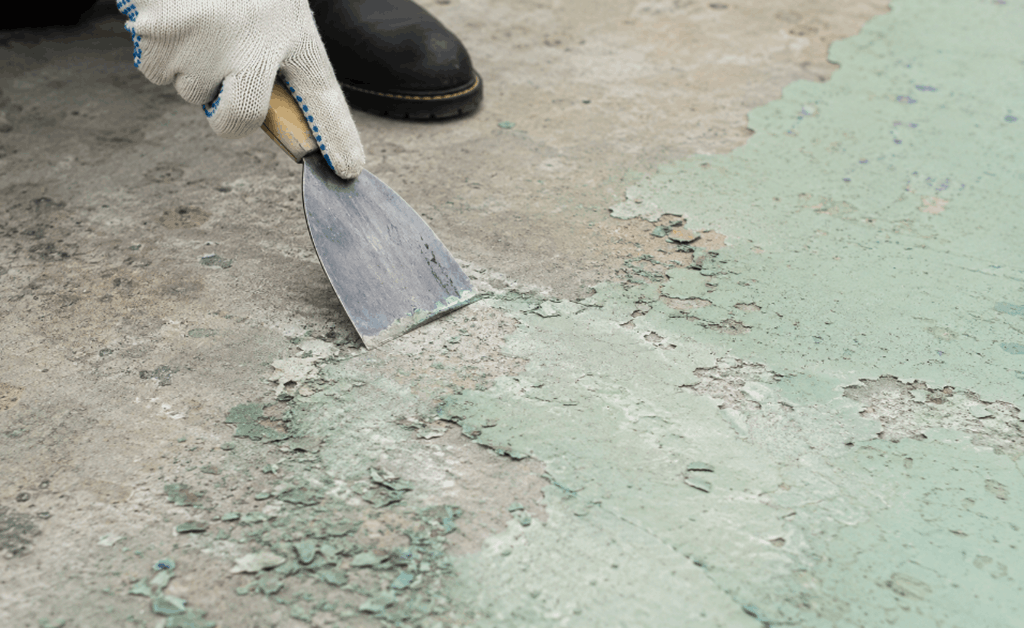
Getting paint off concrete sounds like a quick weekend job. It rarely is. Maybe some overspray survived a renovation, or a paint can tipped over in the garage, and you didn’t notice until it dried, or there are old lines on the driveway that have quietly refused to leave. Wherever it came from, soap and a scrub brush aren’t going to save you. The upside? Give it the right method and a bit of patience, and the concrete underneath comes back looking like itself again.
We’ve walked a lot of people through this same mess, and the one thing we keep coming back to is that no single fix works across the board. It depends on the paint, how long it’s been baking into the surface, and what kind of shape the concrete is in to begin with. Here are three approaches that actually deliver. Read through them and see which one matches what you’re dealing with!
Method 1: Pressure Washing
When Does Pressure Washing Work Best?
Fresh paint or light staining? Start here. When paint hasn’t fully cured into the concrete, a hard stream of water can often peel it up before it settles in for good. The catch is power. You’ll want a pressure washer pushing 3,000 PSI or more. Your garden hose, sadly, is just going to get the floor wet.
Coat the area first with a concrete degreaser or a paint prep solution, and let it sit for 10 to 15 minutes. Then work the surface with a 15-degree nozzle, moving in steady, overlapping passes. Rush it or hold it in one spot, and you’ll end up with streaks or, worse, gouges. Older or thicker paint usually won’t surrender to water alone, but even then, this is a smart opening move before you reach for something stronger – and often the best way to remove paint from concrete when the spill is still relatively fresh.
Method 2: Chemical Paint Strippers
Which Paint Stripper Should You Use?
Once paint has cured, chemicals become your best friend. There are two kinds worth knowing.
Solvent-based strippers are the fast ones, and they’re especially good on oil-based paint. They sink into the paint film and loosen its grip on the concrete. Biochemical strippers, sometimes called caustic strippers, take their time. You might be waiting a couple of hours. But they’re gentler, and they’re the better call indoors or anywhere strong fumes would be a problem – which matters more than people expect when you’re figuring out how to get paint off concrete in an enclosed space.
How to Apply a Stripper Safely
Put it on thick with a stiff brush or roller. Cover the whole area with plastic sheeting so it doesn’t dry out before it can work, then let it dwell for as long as the manufacturer says. Once you see the paint bubbling and lifting, scrape it away with a floor scraper. A stubborn patch here and there might need a second coat.
This is not the place to get casual about safety. Chemical-resistant gloves, safety goggles, decent ventilation – all of it matters when you’re handling any stripping agent. And when the job’s finished, dispose of the waste properly and by whatever your local rules require.
Method 3: Mechanical Removal (Scraping and Grinding)
When Is Grinding the Right Call?
Thick paint, layered coatings, hardened epoxy – this is where grinding earns its keep. You’re looking at an angle grinder with a diamond cup wheel, a floor grinder, or a shot blasting machine, and which one depends entirely on the size of the job.
Small stuff, like a painted step or a corner of the garage floor, is fine for a handheld grinder. Take on a full driveway or a warehouse floor, though, and walk-behind equipment saves you both time and a sore back, and it finishes more evenly too – something worth thinking about if you’re also weighing options like a decorative concrete patio cost in Oklahoma City where surface prep really matters.
Just keep an eye on the surface. Grind too hard, and you’ll tear up the top layer of the concrete before you know it. Test a small area first to see how it behaves. And wear a respirator and eye protection, because grinding throws off fine silica dust, and that stuff does genuine damage to your lungs over time.
FAQs
Does Vinegar Remove Paint From Concrete?
White vinegar can soften small spots of latex paint if you apply it straight and let it soak. It won’t budge cured or oil-based paint, so it’s not something we’d count on for a real job.
Will Paint Remover Damage Concrete?
Used properly and not left sitting too long, most strippers leave sealed or dense concrete alone. Older, porous concrete is a bit more fragile. Test a hidden spot first and stick to the instructions.
Can I Remove Paint Without A Pressure Washer?
You can. Chemical strippers and grinding both work well on their own. Which one fits comes down to the size of the area and how deep the paint has gone.
The Bottom Line
Remove paint from concrete and the job turns manageable the moment you match the method to the mess. Fresh spills wash off, cured paint wants a stripper, and heavy coatings need grinding – and plenty of jobs go smoothest with a mix of two.
Still not sure where to start, or staring at a large or delicate surface? Reach out to Bill’s Custom Concrete & Yard Drainage. Our concrete Specialists can take a look and steer you toward the safest, most effective way forward!

Rapheal Guinn at Bill’s Custom Concrete & Yard Drainage assists clients with concrete crack repairs, foundation work, and yard drainage solutions such as french drains and excavation.