
When it comes to ensuring that water flows efficiently and doesn’t cause damage to your home or landscape, one crucial system that many homeowners and contractors rely on is a perforated drainage pipe. But what exactly are these pipes, how do they work, and why are they so important in French drainage systems in OKC? Let’s dive into everything you need to know.
What Are Perforated Drainage Pipes?
Perforated drainage pipes are specially designed pipes that have small holes or slits, known as perforations, on their surface. These holes allow water to enter the pipe from the surrounding soil, which is then directed to a different location, usually away from a building or structure. The primary function of these pipes is to manage excess water, typically groundwater or rainwater, in areas where water accumulation is a problem.
These pipes come in various materials, but the most common types are made of PVC (polyvinyl chloride) and corrugated plastic. PVC pipes are rigid and durable, while corrugated plastic pipes are more flexible, making them easier to install in different configurations.
The idea behind perforated drainage pipes is simple: they let water in from the surrounding area but prevent debris like soil or rocks from entering and clogging the pipe. Thanks to their perforations, these pipes can effectively carry water away from areas like basements, yards, or around the foundations of buildings to prevent flooding and water damage.
How Do Perforated Drainage Pipes Work?
To understand how perforated drainage pipes work, imagine a common drainage problem: standing water in your yard or around the foundation of your home. If water isn’t able to flow properly, it can pool, creating a soggy landscape or, even worse, a flooded basement.
Here’s where perforated pipes come into play. When you install a perforated drainage pipe, you’re essentially creating a pathway for water to travel through the pipe and into a drainage system that carries it away.
Let’s break it down:
- Trenching: The first step in installing a perforated drainage pipe is to dig a trench in the desired location. The trench needs to be sloped to ensure that the water naturally flows downhill and into the pipe.
- Pipe Installation: Once the trench is ready, the perforated pipe is laid inside. The holes in the pipe allow water from the surrounding soil to enter the pipe. If the pipe is part of a French drain system, gravel or rock is often placed around the pipe to help water flow freely into the perforations.
- Water Flow: When it rains or when excess water accumulates in the surrounding area, the water will naturally seep into the perforations of the pipe. Gravity helps move the water through the pipe, which then directs the water to a designated area, such as a storm drain, a dry well, or a safe runoff area.
- Filtering: Since the perforated pipe is designed to keep dirt, silt, and other debris from entering, it ensures that the water being drained remains clean and clear, which reduces the chances of clogging the pipe. However, it’s still important to regularly check the system to ensure the perforations don’t get blocked by larger debris.
Need drainage solutions? Contact Bill’s Custom Concrete at 405-755-3975 for affordable French drain installation!
Should Perforated Pipe Holes Face Up or Down?
One of the most common installation mistakes with perforated drainage pipe is getting the orientation backward. The industry standard is to install the pipe with the perforations facing down, not up. It seems counterintuitive, since it looks like water should fall into holes on top, but a French drain works by letting groundwater rise and enter the pipe from underneath through hydrostatic pressure. Holes facing down also stay cleaner longer, since water has to work its way up through the gravel bed before reaching the perforations, filtering out fine silt and sediment along the way.
Getting this wrong is one of the top reasons a French drain fails within a few years of installation, even when everything else about the system was done correctly. If you’re unsure which way your existing drain is oriented, or you suspect it was installed backward, a yard drainage inspection can confirm before the problem gets worse.
What Size Perforated Pipe Do You Need?
Pipe diameter depends mostly on how much area the system needs to drain. For most residential yards and foundation perimeter drains, 4-inch perforated pipe handles drainage areas up to roughly 5,000 square feet, which covers the vast majority of Oklahoma City homes. Larger properties, or yards that see heavy runoff from a slope or a neighboring property, may need 6-inch pipe to keep up with the volume of water.
Going bigger than necessary adds cost without much benefit, but undersizing a pipe is a common reason a drainage system backs up during heavy rain. If your yard has a history of standing water after storms, it’s worth having a contractor calculate your drainage area before settling on pipe size.
How Much Slope Does a Perforated Drain Pipe Need?
Perforated drain pipe relies entirely on gravity to move water, so slope is not optional. The accepted minimum is a 1 percent grade, which works out to about 1/8 inch of drop for every foot of pipe. A drain running 50 feet, for example, needs to drop roughly 6 inches from the inlet to the outlet.
Anything flatter than that risks water sitting still in the pipe instead of draining away, which leads to silt buildup and eventual clogging. On the other hand, too steep a slope can cause water to move faster than the perforations can absorb it. A laser level or string line during installation makes it much easier to hit the target slope consistently across the length of the trench.
Why Are Perforated Drainage Pipes Important?
Proper drainage is essential for preventing water-related problems in any environment. Without a reliable drainage system, excess water can lead to flooding, erosion, and even long-term structural damage to buildings. Perforated pipes are a popular choice for dealing with excess water because of their efficiency and reliability.
Here are a few reasons why perforated drainage pipes are crucial:
- Prevents Water Damage
The primary reason to install a perforated drainage system is to protect your property from water damage. Whether it’s a soggy lawn or water seeping into your basement, these pipes help direct water away from areas where it could cause issues.
- Protects Foundations
Water pooling around a building’s foundation can lead to cracks, shifting, and other serious issues. By installing a perforated drainage pipe system around the foundation, you can keep water from building up against the walls and help protect the structural integrity of your home.
- Reduces Erosion
Water that accumulates in one spot can lead to soil erosion, causing damage to landscaping and even affecting the stability of the ground. A perforated pipe can help redistribute water evenly, reducing erosion risks in areas like garden beds, lawns, or hillsides.
- Easy to Install
One of the benefits of perforated pipes, especially the corrugated ones, is their flexibility. This makes installation easier and faster in areas where a rigid pipe would be harder to maneuver.
- Affordable and Effective
Perforated drainage pipes are often less expensive than other drainage solutions, and they are highly effective at redirecting water. Their relatively low cost makes them an appealing option for many homeowners looking for a cost-effective way to deal with drainage problems.
Where Are Perforated Drainage Pipes Used?
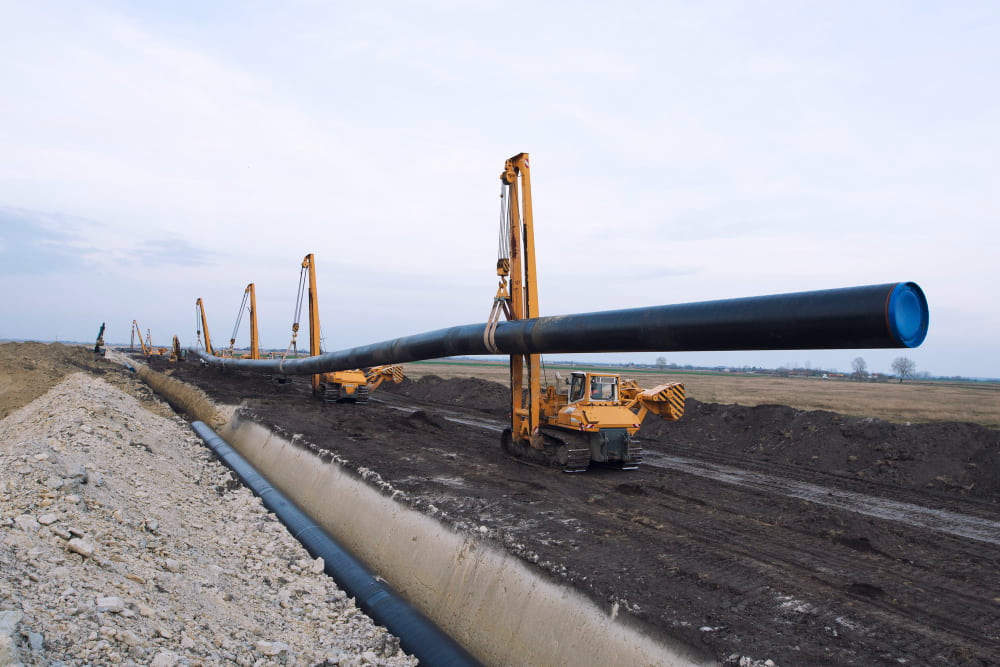
Perforated pipes have a wide range of applications in both residential and commercial settings. Here are some of the most common uses:
- Around Foundations
Perhaps the most common use of perforated drainage pipes is around a building’s foundation. This helps ensure that water doesn’t accumulate and cause basement flooding or structural damage to the home.
- Yard and Landscaping Drainage
If your yard is prone to pooling water after heavy rain, perforated pipes can help redirect the excess water. Whether installed in a French drain system or along low-lying areas of your yard, they can effectively manage surface water and improve your yard drainage in Oklahoma City.
- French Drain Systems
Perforated pipes are often the backbone of French drain systems. A French drain is a trench filled with gravel that uses a perforated pipe to collect and direct water. These systems are commonly used to prevent flooding in gardens, lawns, or near foundations.
- Agricultural Drainage
Farmers and agricultural workers use perforated pipes in drainage systems to keep fields dry and prevent excess water from damaging crops or eroding soil. It helps improve the quality of the soil and promotes healthier plant growth.
- Road Drainage
Perforated pipes are used under roads and highways to manage water runoff and prevent flooding on the surface. These systems help maintain road safety and longevity by reducing water-related damage.
Types of Perforated Drainage Pipes
While the general concept of perforated pipes remains the same, there are different types available to suit various drainage needs:
- Corrugated Pipes: These flexible pipes are often used in residential and landscaping drainage systems. They are lightweight, easy to install, and can bend around obstacles.
- PVC Pipes: These are rigid pipes made from durable plastic. They are commonly used in areas where the pipe needs to be more resistant to pressure or where the soil conditions require a more robust pipe.
- Slotted Pipes: These pipes have elongated slots instead of round perforations. Slotted pipes are ideal for specific drainage needs where a higher rate of water intake is required.
- Dual-Wall Pipes: These pipes feature two layers, with the outer layer providing extra protection against soil pressure and the inner layer allowing for effective water flow.
Maintaining Perforated Drainage Pipes
To ensure that your perforated drainage pipes continue working effectively, it’s essential to maintain them regularly. Here’s how:
- Inspect the Pipes: Look for signs of clogs, such as standing water around the drainage area or poor water flow. Check for debris buildup around the perforations.
- Clean the System: Use a hose or pressure washer to flush out debris that may have accumulated inside the pipe.
- Clear Blockages: If you suspect that the pipe is clogged, you can use a plumbing snake or a specialized pipe cleaner to clear out any blockages.
Perforated drainage pipes are an effective, reliable, and affordable solution for managing excess water around homes, yards, and agricultural lands. Their design allows water to flow efficiently while keeping debris out, and they are essential for protecting foundations, preventing erosion, and keeping landscapes healthy.
Ready to protect your property with professional drainage systems? Contact Bill’s Custom Concrete, your go-to concrete contractor in Oklahoma City, OK at 405-755-3975!
Frequently Asked Questions
Should Perforated Pipe Holes Face Up or Down?
Down. This lets groundwater rise up into the pipe through hydrostatic pressure and keeps sediment from settling directly into the perforations.
What Size Pipe Do I Need for Yard Drainage?
4-inch perforated pipe handles most residential drainage areas up to about 5,000 square feet. Larger yards or heavy runoff situations may call for 6-inch pipe.
How Much Slope Does a French Drain Need?
A minimum of 1 percent, or about 1/8 inch of drop per foot of pipe. A 50-foot run needs roughly 6 inches of total fall from inlet to outlet.
Does Perforated Pipe Need a Filter Sock?
A sock helps keep silt and fine soil out of the perforations, especially in clay-heavy soil like much of the Oklahoma City area. It isn’t strictly required if the pipe is properly wrapped in gravel and filter fabric, but it adds an extra layer of protection against clogging.
How Long Does a Perforated Drainage Pipe Last?
A properly installed French drain system with PVC pipe and a gravel envelope typically lasts 30 to 40 years or more. Corrugated pipe tends to have a shorter lifespan and can collapse over time under soil pressure.
Can I Install a Perforated Drain Pipe Myself?
Simple, small-scale drainage fixes are sometimes doable as a DIY project, but getting the slope, pipe orientation, and gravel bed right is easy to get wrong. Professional installation is usually worth it for anything protecting a foundation or handling a significant drainage area.

Rapheal Guinn at Bill’s Custom Concrete & Yard Drainage assists clients with concrete crack repairs, foundation work, and yard drainage solutions such as french drains and excavation.