seal concrete patio

How to Seal Concrete Patio – Top Tips

Your concrete patio is a great place to relax and have fun, and it is a wonderful addition to your outdoor areas. Nonetheless, it is a fact that Oklahoma weather is harsh enough that it could damage certain surfaces. In fact, it is possible that rain, sun, and harsh weather conditions could cause concrete patio stains and cracks. This is where concrete sealing is a necessity, and we will walk you through how to seal concrete patio as concrete contractors in Oklahoma. 

If you’re considering your options, you’ve likely wondered about the concrete patio cost in Oklahoma City and how best to protect your investment. Allow Bill’s Custom Concrete to take you through. Whether you do this yourself or rely on our friendly team, this is the process to follow. 

Preparation of Patio Surface

A clean surface is a key to a successful sealing job. Before you ever get a chance to open your container of sealing material, your concrete needs to be clean and free of all kinds of dirt, debris, and stains. This debris will get between your concrete surface and your sealing material.

First, you will have to sweep your entire patio to get rid of any loose leaves or debris that is present. You will have to scrub your patio clean with a brush and concrete cleaner. Pressure washing is also a good alternative if you’re trying to get rid of a stain or residue that’s been deemed stubborn. Once you have scrubbed your concrete clean, you will have to wash it off well with a hose so that it is allowed to completely dry. This will take a full 24 hours or more, depending upon conditions.

Applying the Concrete Sealant

Once you have your patio clean and dried, it is now ready to be sealed. If you’re asking, how do you seal a concrete patio? The process isn’t complicated, but attention to detail is key. In order not to strain your back, you will need a roller with an extension handle. You will also need a small amount of your sealing material in a paint tray.

Start in one corner of your patio and work your way across in smaller areas that you can handle. Apply a thin layer of material and make sure that you’re not pooling your material. By overlapping your strokes, you will be able to prevent lines from forming and make sure that your whole area is coated. Another coat is recommended after a first coat of material is applied.

Letting It Dry & Cure

After you have applied a layer of sealing compound, it’s wait and see. This sealing compound has to be allowed to dry before a protective barrier is created. This is a crucial stage, as you shouldn’t use your patio for at least 24 to 48 hours after you have sealed it.

This whole procedure of curing may take a few days depending upon the type of sealants as well as weather conditions. In this procedure, it will also prove to be quite helpful to ensure that it is not exposed to any kind of moisture. Checking weather conditions before you start with this particular job will ensure that you have a clear date without rain for a couple of days.

When to Call the Professionals

Even though it is possible to seal a concrete patio without involving an expert, most property owners benefit from consulting with one. You have a concrete patio that is damaged or stained, or you’ve decided to do it by yourself, you should get in contact with us. We have been concrete contractors in Oklahoma City for many years, and we have everything that is needed to prepare and complete your concrete patio sealing project.

Protect Your Patio Investment

Sealing your concrete patio is one of the easiest and most effective ways of ensuring it is protected against natural elements while being in its absolute best condition. By understanding and following all of the preparation, application, and curing methods that are explained throughout this article, you will be well on your way to a finish that is nothing short of professional. Having a well-taken-care-of patio will do wonders for your curb appeal as well as your enjoyment of it with your family.

Read More
concrete slabs for patio

Are Concrete Slabs Good for a Patio?

Foundation selection is a crucial element when it comes to your patio. As concrete installation experts, we have seen it all – well-designed and well-executed patios as well as those that have failed for lack of proper foundation. Even though concrete slabs for a patio have a lot of desirable qualities when it comes to patio installation, they are not suitable for everyone.

In order to make an informed decision that fits your budget and aesthetic expectations, it is important that you understand the whole picture. Allow Bill’s Custom Concrete to take you through everything!

What Are Concrete Slabs?

Waterproof concrete slabs consist of a uniform surface that is flat and horizontal, created through a combination of cement, aggregates, sand, and water. In patio construction, we often install large concrete slabs for a patio that are 4 to 6 inches thick, depending upon usage and soil conditions. Once in place, concrete slabs form a solid surface that is at once a foundation and flooring for your outdoor area.

In terms of installation, it entails digging the ground, creating a foundation of gravel, forming, and pouring concrete. When sourcing materials, it’s wise to consider reputable concrete suppliers Oklahoma City residents trust. Once hardened, it will serve as a foundation that will remain for several decades when well constructed and cared for.

Advantages of Using Concrete Slabs for Patios

Durability and Longevity

In terms of longevity, concrete slabs are top-notch. We believe that when we set up a concrete patio for you, you will enjoy it for as long as 30 to 50 years or so before you will need to replace it. This is because concrete for patio slabs is more capable of withstanding foot traffic, furniture, as well as harsh weather conditions compared to other materials.

Cost

In terms of your budget , concrete slabs are a great value. First of all, they are cheaper to install compared to natural stone or fancy pavers. Second of all, their low maintenance means that one will not have to spend much down the line.

Design Variety

With current concrete technology, we have been able to offer substantial customization. We have been able to replicate stone patterns, brick patterns, tile patterns, and we have been able to do colored concrete that offers a whole host of aesthetic possibilities that have surprised a lot of clients who have considered concrete to be a boring surface or a commercial surface.

Low Maintenance Requirements

A concrete patio is low maintenance. It needs to be hosed off periodically using a power washer and sealed occasionally to keep it in top condition. This is an attractive option for homeowners leading busy lives.

Disadvantages of Concrete Slabs in Patio Construction

Cracking Potential

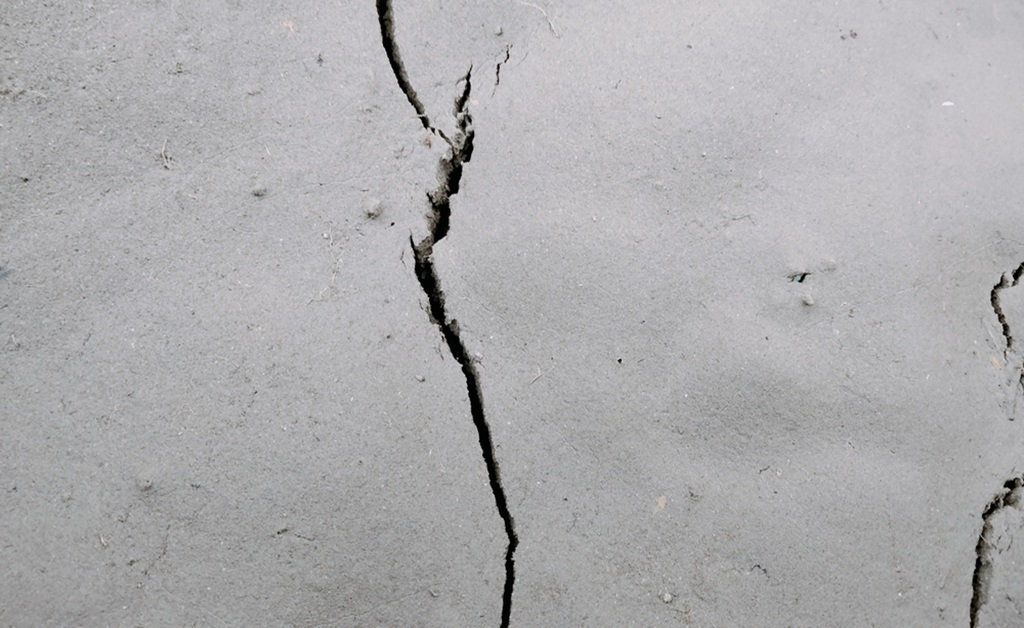
Nevertheless, regardless of best attempts at correct installation methods, concrete is prone to tiny fractures over a period of time. This could be a result of extreme temperatures, shifting earth, or settling of concrete. Thankfully, we can make an attempt to control where such fractures take place through control joints.

Heat Absorption

This is because concrete is capable of absorbing and holding heat from sunlight, so it makes such areas warm. We have often recommended that such areas be provided with shades or have their exterior colored to make them cooler.

Potential for Staining

It is porous, so it will absorb spills, forming permanent stains. Although sealing provides a protective coating, oil, red wine, or other substances may stain it if timely action is not taken to clean it. Don’t worry, it will last the test of time so long as you’re careful.

Making the Right Choice for Your Space

Are concrete slabs good for a patio? Concrete slabs make excellent outdoor patio flooring options for those that value strength, affordability, and easy DIY installation. This material is a great option for those that have a large outdoor living area or just need a robust surface for outdoor activities such as game nights or family fun days.

Nevertheless, you may wish to explore alternative options if you are particular about heat retention. At Bill’s Custom Concrete, we can help you make an informed decision. Fortunately, there are now ways to overcome any shortcomings that concrete may have, so it suits most!

Read More
stamped concrete be repaired

Can Stamped Concrete Be Repaired?

Stamped concrete provides the ultimate combination of strength and style, giving driveways, patios, and sidewalks the appearance of expensive-looking stone or brick without the hefty cost. For property owners with stamped concrete in Oklahoma City, this attractive surface is a popular upgrade. But when this surface does become damaged, property owners often ask: can stamped concrete be repaired? The answer is that, in the majority of instances, damaged stamped concrete is repairable and its original beauty and structural soundness restored.

This guide from Bill’s Custom Concrete will walk you through the procedure for checking for damage, investigating stamped concrete repair work, and providing maintenance recommendations for keeping your concrete looking its absolute best.

Evaluating the Damage

Prior to making any repairs, it’s a good idea to know the nature of the damage. Small surface damage or cracking or chipping is frequently superficial and fairly easy to repair. This type of damage may result from a strong impact or from settling naturally over the passing of time.

But larger issues such as long or wide cracks or heaving (where patches of the concrete are lifted) may mean that your sub-base is unstable. Or that it has been damaged by water or by improper installations. If your whole slab is cracking here and there or has lumpy patches, the damage may be shallower than it appears. It is important to determine if the damage is just cosmetic or if it’s structural so that you will have the optimum repair method for fixing stamped concrete.

Professional Repair Choices

Whereas a small patch-up work may be managed by patch kits yourself, serious damage needs professional skills for a smooth and permanent repair. A professional will be able to precisely match the color and finish of your original concrete so that the repair will be all but undetectable.

For larger cracks, professionals often use high-quality fillers and patching compounds designed specifically for repairing stamped concrete. In cases of severe structural damage, sections of the concrete may need to be cut out and redone. Our professionals will also address the root cause, such as by stabilizing the sub-base to prevent future heaving. Color correction and resealing are final steps that blend the repaired area and protect the entire surface from the elements.

Preventing Future Damage

Prevention is the key. Maintenance will significantly extend the life of your stamped concrete and lower the number of repairs. It’s also crucial that you apply a high-performance sealer every few years. A sealer keeps the concrete from exposure to moisture, UV light, and stain while keeping the brightness of the color.

It is also a good idea to frequently clean the surface using a mild detergent to avoid the accumulation of dirt that may erode the sealer. Forget the strong de-icing salts during winter because they may damage the surfaces. It is better to use sand or a concrete-friendly ice melt. Last but not least, fixing small cracks early will help prevent their growth into extensive and costly issues.

Restore Your Concrete’s Beauty

Stamped concrete is a durable and visually appealing investment for a piece of real estate. Although damage does occur, it doesn’t necessarily mean that you are stuck with it or a whole new replacement. With the proper evaluation and proper repair methods by our team, its original appearance and functionality may be reclaimed. Maintenance will guarantee that your stamped concrete continues to be a beautiful aspect of your house for years to come! 

Read More
drainage tiles work

How Do Drainage Tiles Work? A Simple Guide

Water damage can be among the most expensive issues property owners encounter. From a damp basement to a flooded foundation or standing water near the property, knowing drainage solutions can help protect your investment. Drainage tiles are a simple and efficient method of diverting excess water from the property and preventing damage and damp conditions.

This guide from Bill’s Custom Concrete takes you through the workings of drainage tiles and why they could be the answer your land needs.

How Do Drainage Tiles Actually Work?

How do drainage tiles work? If you’ve ever wondered, the answer is in their design: Drainage tiles are perforated pipes buried in the ground in order to gather and direct excess groundwater. In spite of the nomenclature, modern drainage tiles are normally manufactured from PVC or other hard plastic material instead of customary clay tiles.

The Basic Procedure

The system functions with a simple process. Water automatically moves towards the lowest point, and drainage tiles are designed in such a way that they capture this water prior to its reaching your basement or foundation. The pipes are perforated and let in the groundwater from the earth, which then moves through the system and is carried off into a point of discharge.

Installation and Orientation

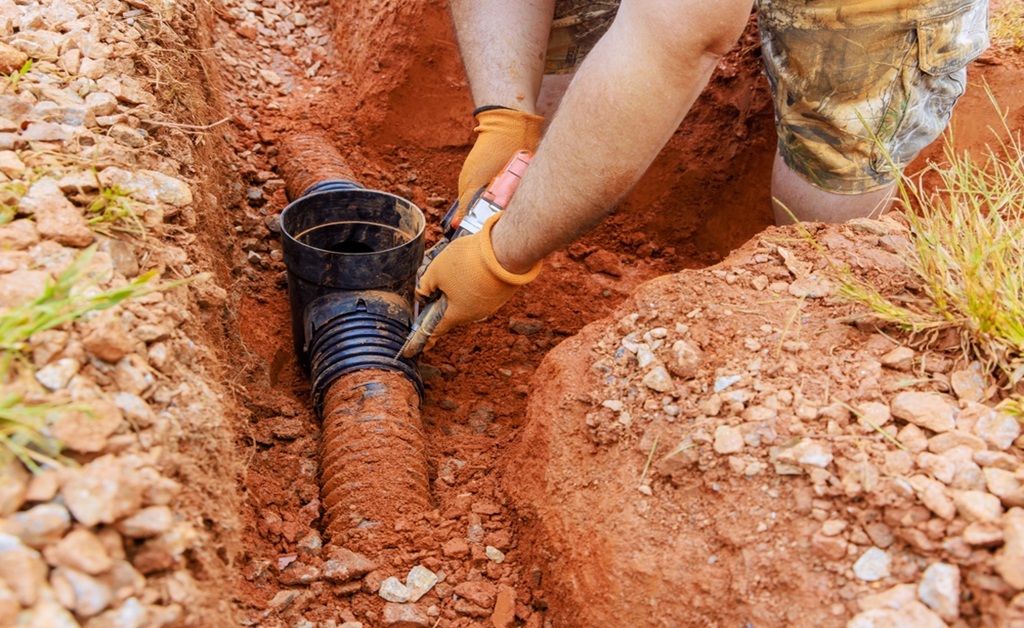
Drainage tiles are installed in trenches dug outside the footing of your foundation or in areas where the water accumulates. Gravel covers the pipes and does two things: it provides the water with an access route to the drainage tiles and prevents soil from clogging the openings.

This system depends entirely on gravity in order to transport the water from the collection point to the area where the water discharges. The discharge area is often a dry well, a storm drain, or some area in your property where the water can safely drain without property damage.

Major Elements

An effective drainage tile system comprises some basic components. The perforated pipe is the essential component in the system, and the gravel bed allows for effective flow and filtration of the effluent. Filter fabric normally covers the gravel such that no finer material enters the system and clogs the system.

The Role of French Drains and Other Remedies

One of the most widespread implementations of drainage tile technology is the usage of French drains in OKC. These drainage systems are most beneficial for the houses with damp basement issues or lawns with flood conditions.

When You Need Drainage Tiles Most

Drainage tile installation is common among property owners whose properties experience persistent drainage issues. You are likely in need of drainage tile installation if you experience such issues as water in your basement after a rainy day, damp spots in your yard that take too long to evaporate, or settling in the basement that can be caused by water-laden soil.

Comparing Different Drainage Solutions

Even though drainage tiles are extremely efficient, they are quite far from being the only solution available. The surface drainage systems such as gutters and correct grading take care of the water at the surface, but no such systems are available for the groundwater which drainage tiles target in specific.

Sump pumps also work well with drainage tiles, especially in high-water-table sites. The drainage tile collects the water, and the sump pump also provides added protection by actually pumping the water off beneath your footings.

Long-Term Asset Protection

It helps to understand not just what the system does, but how does tile drainage work for you? Investing in the correct drainage protects more than the basement. Excess moisture can cause damage to the foundation, mold, and damage to the yard. You’re building a whole water control system when installing drainage tiles, which protects the structural integrity and value of the property.

Get Customized Expectations Today

Every property has its own unique drainage issues based on the makeup of the soil, local conditions, and existing infrastructure. Drain tiles can be a great answer to many drainage problems, but determining the right approach in your situation requires the professional analysis.

Consider consulting with our friendly team at Bill’s who can evaluate your property’s needs and recommend the most effective solution. We can assess factors like soil permeability, water table levels, and existing drainage infrastructure to design a system that provides long-term protection for your investment.

Don’t let water damage turn into an expensive issue. Take the right precautions in treating the area with water, and the money you spend now will be worth it in the long run!

Read More
Retaining Walls Last

How Long Do Retaining Walls Last? Lifespan & Tips

Retaining walls play a very important role for most properties by holding back soil to avoid erosion and provide usable area for slopes. They anchor gardens, driveways, and landscaping elements while safeguarding your house’s foundation against damage from running waters. Installing a retaining wall or having it already in your property depends highly on knowing its average lifespan to prepare for maintenance and future replacements. If you’re considering retaining walls in OK, understanding the factors influencing their longevity is especially important given variable climates.

The retaining wall’s duration depends on a variety of key variables, from the types of material used to the quality at which it was built and the maintenance. Homeowners often ask: how long do retaining walls last? Much of the answer depends on proper care and local conditions. If you need tailored advice, call Bill’s Custom Concrete today!

Principal Predictors of a Person’s Lifespan

Material Type and Quality

The kind of material that you choose often dictates how long your retaining wall lasts. There are differing levels of strength, weather-resistant qualities, and strength in structure among types, for example.

Construction Design and Quality

Proper installation can be the difference in the decades-long life of the wall or its crumbling in a few years. Professional installation will provide the right foot depth, the right drainage system, and the right reinforcement for the height of the wall and the type of soil. It’s also vital to account for retaining wall curing time with concrete and masonry options, as the proper curing process affects long-term durability.

Environmental Conditions

Local climate significantly influences the strength of your walls. Locations with the freezing-thawing process, high rainfall volumes, or earthquake activity put extra strain on retaining walls. Compost and drainage arrangement in the area surrounding your wall also influence the strength over the years.

Average Lifetime in Material

Wooden Retaining Walls

Timber retaining walls, in average conditions, can survive for 10 to 15 years if properly maintained. Pressure-treated wood can extend the years even further, and untreated wood can perish quickly. Periodic sealing and timely replacement of the damaged boards can work to maximize the years.

Concrete Retaining Walls

Concrete walls from Bill’s are highly durable and will stand the test for up to 50 to 100 years. The reinforced concrete will stand longer and is a very good property holding value investment.

Brick Retaining Walls

Excellent quality brick walls can survive in your structure for a similar time period. You must perform routine maintenance for the mortar joints in and of themselves, but the bricks weather many a storm.

Stone Retaining Walls

The best measure of strength and durability are the stone walls, and they will often exceed 100 years and beyond with no repairs being required. A dry-stacked stonewall may require the stones reset periodically, and a mortared stonewall will provide total stability.

Key Maintenance Directions

Monthly Inspection Procedure

Go behind the retaining wall at least twice a year and examine for cracks, bulging, or signs of shifting. Look for drainage problems, like standing water or erosion channels, which can damage the base of the wall.

Proper Cleaning and Maintenance

Remove weeds growing in the joints in the walls, as roots can slowly dislodge blocks or stones. Clearing guttering and drainage systems will discourage buildup of water behind the wall, which creates dangerous hydrostatic pressure.

Make Repairs Now

Small things are big issues if left undone. Patch up damaged areas, re-point mortar joints, and seal leaky drainage where you’ve noticed it. Early and often, it’s worth doing.

Planning for the Longer Term

By also having in mind the retaining wall’s future lifespan, you can budget your maintenance cost and replacement. Regular professional inspection can identify the issue early enough, while smaller and less expensive repairs can be carried out.

Quality material and proper installation are smart investments that will reap rewards later in the form of longer-lasting walls and lesser maintenance. When you replace them, don’t hesitate to upgrade to the high-performance products better suited with the conditions unique to your property and your future plans!

Read More