Concrete Footing for Retaining Wall

What Happens If You Ignore Concrete Footing for a Retaining Wall?

Retaining wall construction is easy enough, but economizing on footings is a recipe for expensive disasters. Home and business owners often ask, do I need a concrete footing for a retaining wall? The short reply? It all comes down to your particular circumstances, but consequences of not having proper footing when you absolutely do have to have it can be dire.

What is a Retaining Wall?

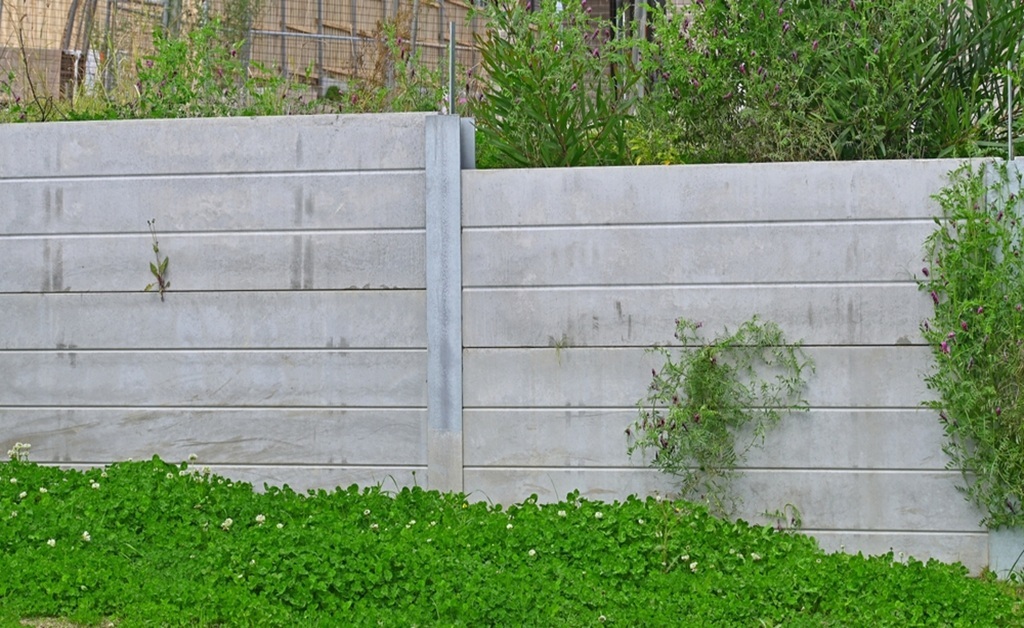
A retaining wall is a structure that is built to keep back earth and stop erosion on hillside ground. Retaining walls are often employed in landscaping to provide a flat area on which to put a garden, driveway, or construction site foundation. They also defend against earth movement, which might do damage to close structures or pose a hazard. For example, a concrete retaining wall in Oklahoma City must withstand unique climate and soil conditions.

Retaining walls are made from an array of material such as poured concrete, natural rocks, concrete units, and wood. Whatever material you opt to make a retaining wall from, its resistance to soil pressure is solely reliant upon a solid foundation.

Do You Need a Concrete Footing When You Build a Retaining Wall?

The requirement for solid footing is determined by a number of variables such as wall height, site ground, and regional codes. Normally, retaining walls higher than three feet will require concrete footing for a retaining wall to allow decent support. Nonetheless, much lower walls will require footings in some situations, and knowing the proper retaining wall footing depth is essential for structural integrity.

When a Concrete Footing is Required

Footing for a concrete wall is particularly necessary when working with heavy clay soil, slow-draining ground, or freeze-thaw zones. These will exert extra pressure upon that part of the wall which will collapse if no firm support of a footing is provided.

The footings may be required by local codes, and many jurisdictions require permits on retaining walls of a particular height. Always contact your building department prior to construction so that code compliance is achieved, or work with Bill’s Custom Concrete since we know everything there is to know. 

When You Can Bypass Footing

Low decorative walls below two feet in height in good drainage soil could be exempted from concrete footings. Gardening walls that face minor soil pressure can occasionally be constructed over a compressed gravel or a sandbox base. Still, even these cases do have some type of groundwork preparation. If you’re unsure how to build a concrete footing for a retaining wall, consult Bill’s or local building code resources to avoid costly mistakes.

Problems of Neglecting Footing When You Need It

Skipping concrete footing when necessary is a grave mistake that will lead to many severe issues that will cost much more than the initial cost of footing.

Wall Tilting and Collapse

Without proper footing, retaining walls often begin tilting forward due to soil pressure. This tilting starts gradually but accelerates over time, eventually leading to complete wall collapse. A collapsed retaining wall not only destroys your investment but can also damage property and create safety hazards.

Soil Washout and Erosion

Failed retaining walls allow soil to wash away during heavy rains, potentially undermining nearby structures, walkways, or driveways. This erosion can extend well beyond the original problem area, affecting neighboring properties and requiring extensive remediation.

Building Damage to Neighboring Buildings

When a retaining wall falls down, later movement of ground can prove to compromise house foundations, garage foundations, or any other structure. Foundation repairs are among homeownership’s most expensive repairs, and often cost far more than a properly constructed retaining wall would have cost in the first place.

Legislative and Insurance Matters

If your poorly constructed retaining wall collapses and injures property, you could have a problem of liability. Moreover, insurance firms might reject claims that fall under injury from construction that did not comply with appropriate construction methods or regional codes.

The Intelligent Choice When Investing

While concrete footing is an added part of your initial expense of a retaining wall, it is invaluable insurance against expensive later problems. Your small initial investment in good foundation work will preserve your property valuation and prevent calamitous failures.

It is a good idea to consult locally with specialists at Bill’s Custom Concrete to review your particular property as well as your area requirements. Professional assessment guarantees your wall will give a long-term protection to your property investment! 

Read More
permit for a concrete patio

Do You Need a Permit for a Concrete Patio?

A patio made with concrete can be a great asset for your land, delivering a hard and stylish outside space for entertaining and unwinding. Before you can mix the concrete and prepare the site, though, you need to first establish…do you need a permit for a concrete patio? The response is far from always straightforward and often depends on several local criteria. 

In this guide from Bill’s Custom Concrete, we can help you determine the regulations and get the process to go from conception to finish. If you’re interested in the consideration of concrete patio cost in Oklahoma City for budgeting purposes, be sure to speak to our team. 

Deciphering building codes can be confusing, but permits exist for a reason. The permits put in place are designed so that building projects are structurally secure and safe and are in conformity with local laws meant for your own safety and your community’s safety. Building without the required concrete patio permit can result in fines, possible run-ins with the law, and potentially having the structure torn down. Best to take the time and get the rules straight ahead of time so you can avoid a lot of headaches and potential cost later.

When Do You Need Permits for Patios?

The need for a permit is most often in terms of local building and zoning laws. They are in effect for the sake of maintaining the safety codes, land use, and ensuring new construction does no damage to your property or others’ property in the area. A simple, straightforward patio does not necessarily require a permit in an area, but more sophisticated projects often do. 

Most times, the larger and more permanent the structure, the more likely you are obliged to obtain permission from the correct people – usually by applying for a permit for a concrete patio at your local office.

Factors That Determine Permit Requirements

A variety of things dictate whether or not your concrete patio project must have a permit. Most are localized zoning ordinances, which are contained in each city and county government’s own regulations. Patio location and size are also quite crucial. Most locations have threshold sizes in area or in height; if your patio exceeds them, you can presume safely that you must have a permit. 

Beyond that, structural considerations, such as installing a roof onto the structure or attaching the patio up against your own building, nearly universally require a permit since they involve the structure that exists at your property.

How to Confirm What You Need Locally

The best way to determine if you need a permit or not is to contact the building or planning department in your city. You can typically find the contact information online at the city’s or county’s website or in the office over the phone. Tell them the size and location and scope of your project, and they will inform you about the regulations in your area.

Another asset we highly recommend is a local, qualified contractor. Good contractors are very familiar with the permit process in the area in which they work and can offer point-specific advice applicable to the minutiae of your project. Our contractors at Bill’s can typically facilitate the permit applications for you and ensure all paperwork is in order and the project adheres to all necessary codes.

Think Ahead for a Successful Project

Adding a concrete patio can really help beautify your property, but it’s very important to get it done right. Always check with your local permit process beforehand. Consult with your local building department and hire an experienced contractor so that your new patio can be wonderfully well-designed, safe, legal, and durable! 

Read More
install wood floors over concrete

Can You Install Wood Floors Over Concrete?

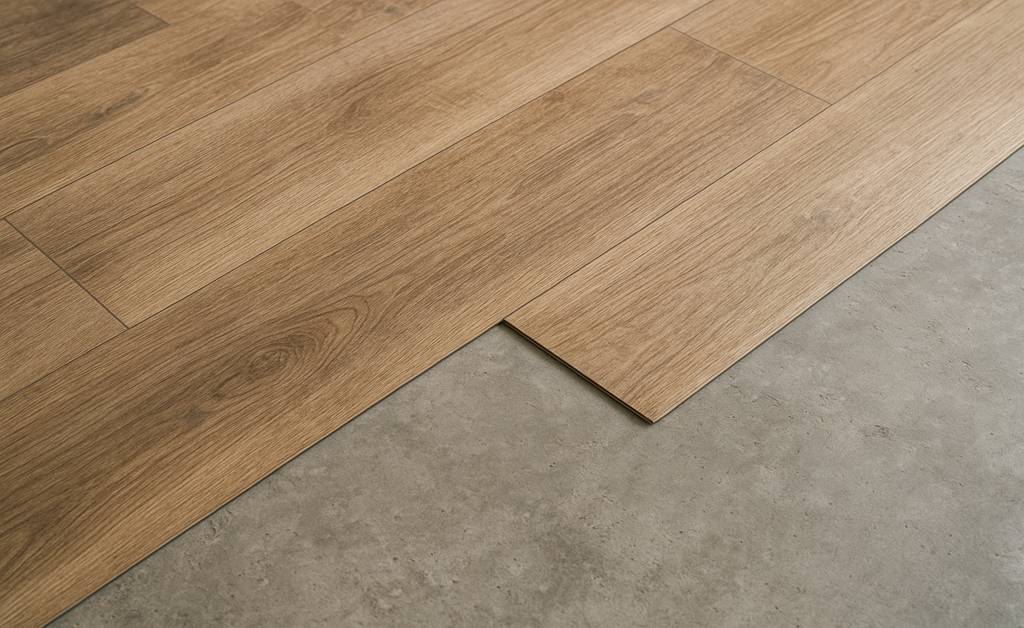
Installation of wood flooring over concrete is not only possible but also commonplace today in construction and renovation activities. Building owners and property developers encounter this scenario quite often, whether it’s work for basement spaces, ground-level floor installations, or concrete slab foundations. It’s all about understanding the challenges that concrete uniquely creates and making the appropriate decisions about the correct building materials and the installation method. 

If you’re asking, can you install wood floors over concrete? The answer is yes – with the right steps and some expertise.

While concrete gives a highly stable and long-lasting sub-base, it must be suitably prepared, and provisions for controlling the moisture taken into consideration for a successful installation of a wood floor that will survive for generations. Many people in the region rely on concrete suppliers in Oklahoma City like Bill’s Custom Concrete to ensure their subfloors meet certain standards required for flooring installations.

Understanding Concrete Subfloors

Subfloors in concrete have unique qualities that are far from the conventional wooden subfloors. The major area of concern when using concrete is moisture control. Concrete is a permeable substance that will take in moisture from the floor or the environmental area it serves and transmit it to wood flooring by way of vapor transmission.

The shift in temperature also impacts concrete differently than it does wood. Concrete holds cold temperatures for a longer duration and has a risk of condensation when warm, humid air meets the surface. It could result in cupping or warping or the establishment of mold in wood flooring if unaddressed. Taking these factors into account is critical when installing wood floors over concrete in any building project.

Preparation also includes moisture testing by relative humidity probes or calcium chloride tests. Concrete moisture contents are most commonly mandated by most floor manufacturers to be below designated levels prior to safe installation.

Types of Wood Flooring Suitable for Concrete

Engineered Wood Flooring

Engineered wood flooring is the ideal selection for concrete installations. The item consists of a real hardwood veneer attached to several plies of plywood or high-density fiberboard. Cross-grain construction gives it greater dimensional stability so that it compensates for moisture-connected movement better than hardwood.

Engineered flooring may have a variety of installations over concrete using several methods such as floating installations using underlayment, direct adhesive installations, or by nailing when paired with plywood subflooring. Choosing to install a wood floor over concrete, using engineered wood, usually ensures better performance and fewer complications.

Solid Hardwood Considerations

Whereas installation of hardwood over concrete is feasible in theory, the installation is harder. Hardwood expands and contracts more when the conditions of moisture change, and is therefore more susceptible to issues where the concrete’s nature is towards moisture.

If hardwood is selected over concrete, it will generally need a plywood subfloor system in place with the appropriate moisture barriers that are expensive and lower the ceiling height. Engineered products are often the preferred choice by flooring contractors for concrete installations.

Advantages of Dealing with Experts

Results-oriented concrete and flooring experts offer irreplaceable experience when it comes to these installations. They have the right machinery to perform the moisture test, floor preparation, and are able to advise suitable adhesives, underlayments, and installation strategies for your particular scenario.

Specialists at Bill’s Custom Concrete are familiar with local building codes and moisture conditions that will affect your installation. We will also identify potential roadblocks ahead of time so they don’t become costly repairs later, such as inadequate vapor barriers or improper concrete curing.

Working with highly experienced professionals will often include warranty protection and ensures manufacturer specifications are achieved, a requirement commonly demanded for commercial construction or high-value property work.

The Right Call for Your Project

It is certainly possible to install wood flooring over concrete when properly planned and installed. Engineered wood products have the optimum balance of true wood appearances and stability for concrete installations. Although the cost is greater than for commodity flooring products, the long-range appearance and performance are justified for the majority of property developments. When you’re ready to move forward, consulting skilled installers knowledgeable in installing wood floors over concrete will ensure you get the most value and longevity for your investment.

Success relies on extensive moisture testing, proper product selection, and expert installation methods. If these factors come together, wood flooring over concrete will deliver generations of handsome, long-lasting service

Read More
Water Damage in Your Basement

Signs You Have Water Damage in Your Basement – Time to Take Action

A basement is a valuable part of your living space, but it is most vulnerable to water damage. Minor issues of moisture will have dire consequences, like structural damage, mold infestation, and expensive repairs. Understanding the early signs of water damage is the answer to saving your property and investment. 

This guide from Bill’s Custom Concrete will walk you through the common signs that it is time to intervene, and help you consider solutions such as basement waterproofing in Oklahoma City or other relevant methods.

Seeing the Red Flags

Do not wait for a puddle to appear. Several of the early signs of water intrusion are subtle. Knowing what to look for can help discern an issue before it becomes a bigger problem. You might even ask yourself, can you waterproof a basement from the inside? This is a common consideration when early symptoms start to appear, and our team can help. 

Mold or Mildew

One of the most noticeable signs of a moisture issue is mold or mildew growing. This type of substance enjoys warm, humid temperatures, and basements are a perfect breeding spot. You will want to look for black, green, or white patches on walls, ceilings, and around floor joists. Make sure to look in areas of restricted circulation, such as in corners and behind stored objects. When dealing with such problems, it’s essential to know how to waterproof a basement wall so you can take immediate action.

Chronic Musty Odor

You can usually smell water damage even when you can’t see it through your eyes. A lingering musty or damp odor is a good sign of unseen moisture and mold development. Even if you cannot spot anything visible, this particular smell is an indication that water has come through into a spot of drywall, carpeting, or insulation.

Stains on Walls and Floors

Staining on your basement walls or floors is another obvious indication. Yellow or brown discolorations are usually an indication of a slow, steady leak from pipes or from cracks found in a basement’s foundation. These stains will sometimes be damp to the touch or come as rings indicating where moisture has been present. Is basement waterproofing worth it? It becomes crucial when repeated stains persist over time.

Peeling or Bubbling Paint

Trapped moisture behind a coat of paint will sooner or later make it fail. When you see paint that is bubbling, cracking, or chipping off from walls, it is an indication that you have moisture inside the wall itself. Moisture drives the paint off from the face as it seeks a way to come out. In many cases, waterproofing basement walls from inside the space can address these problems and prevent them from worsening.

Warped or Buckling Flooring

The floor coverings will have varied responses to moisture presence, yet all will have evidence of damage. Buckling, warping, or cracking along joints will occur to laminate or wood floor covering. Lifting may start to happen in vinyl floor tiles, as carpet becomes saturated and stained. Any visible change in your floor covering appearance or feel calls for further examination.

Powdery White Substance on Concrete

If you spot a powdery deposit of white on your masonry or concrete walls, this is likely a sign of efflorescence. This is when water seeps through concrete and later dries out and precipitates salts behind. Though it is never harmful in itself, it is a sure sign of water intrusion.

Protect Your Foundation

Fixing these signs immediately is important to maintaining your house’s construction integrity and a healthy living environment. Leaks will quickly turn into severe issues and cost a lot of money to mend (as well as create health risks from mold). You can protect your asset years down the road by checking your basement frequently and fixing something right away when you spot an issue. Contact Bill’s Custom Concrete for tailored advice today! 

Read More
About Foundation Piers

Everything You Need to Know About Foundation Piers

The most important part of your property is its foundation, and its maintenance is necessary to keep it safe and valuable. When the ground under your house shifts or settles, it results in severe structural issues. Foundation piering is an established method of fixing and securing a deteriorating foundation to provide a permanent solution to a seemingly disastrous problem. Are foundation piers a good repair? The answer is yes – when installed correctly, they offer long-term stability.

What is a foundation pier? This guide from Bill’s Custom Concrete will demonstrate exactly what you need to know – what they are, when they’re needed, and how they can protect your property into the years to come.

Types of Foundation Piers

Our foundation repair specialists can employ a number of different piers that are suitable depending on a given soil condition and structural requirement. Knowing about these will allow you to make an educated decision about your house.

Steel Piers

Steel piers are strong, durable support columns that are driven deep into the ground to a point where they reach hard bedrock or a bearing layer of ground. They’re a sought-after solution because they’re so reliable and provide a lot of lift to a settling foundation. Because they’re driven so deep into the ground, steel piers provide a permanent solution that will not be affected by shifting of surface soils. 

Their only real drawback can be cost, as this is a highly labor-intensive procedure. Many foundation repair companies in OKC recommend steel piers for challenging soil conditions, but it’s not the only option. 

Concrete Piers

Concrete piers for foundation repair consist of filling holes drilled into the ground with concrete. Concrete piers are made on-site and can be reinforced with steel rebar to make them stronger. With this in mind, these piers are an affordable and efficient approach to securing foundations when you have areas where it is not too deep to reach bedrock. 

They do have to have time to harden before securing a structure upon it, and installing them can disrupt landscapes. But some homeowners appreciate having a house on concrete piers because of the reliable support they offer in various soil types.

Helical Piers

Helical piers, also known as screw piles, look like large screws and are twisted into the ground using hydraulic machinery. Their helical plates provide anchoring strength against the soil. These piers are excellent for lighter structures or in soil conditions where deep driving is difficult. Helical piers can be installed quickly with minimal disruption, but they may not be suitable for supporting very heavy structures or in areas with rocky soil.

When Foundation Piers are Needed

Knowing about signs of foundation distress will give you a chance to correct issues before major problems happen. You may sometimes need to put up piers when you notice specific signs or when your house is placed in a challenging environment.

One of the most common signs is that of cracks in your floor, walls, or even your foundation. Floors that slip or slope, as well as doors that stick or do not even close are good indications of a settlement of a foundation.

Some types of soil, such as expansive clay that becomes swollen and contracts when moisture is altered, put a tremendous load on a foundation. Houses constructed on shifting ground, a severe slope, or near a body of water are also top contenders for foundation piering to ward off future shifting.

Secure Your Foundation for Good

Foundation piers are a valuable asset when it comes to settling a house right and providing long-term stability to a house. By lifting and securing the structure from solid ground far below the surface, they create a permanent solution to a house’s foundation issues.

If you have discovered any evidence of cracking of foundations, do not hesitate to have it fixed. Professional examination from our team at Bill’s Custom Concrete will reveal if it is a result of an uneven settling or a defect in a structure.

Call us now for a complete inspection and consultation to safeguard your property’s foundation! 

Read More