top pop off my concrete

Why Did the Top Pop Off My Concrete? Common Causes & Solutions

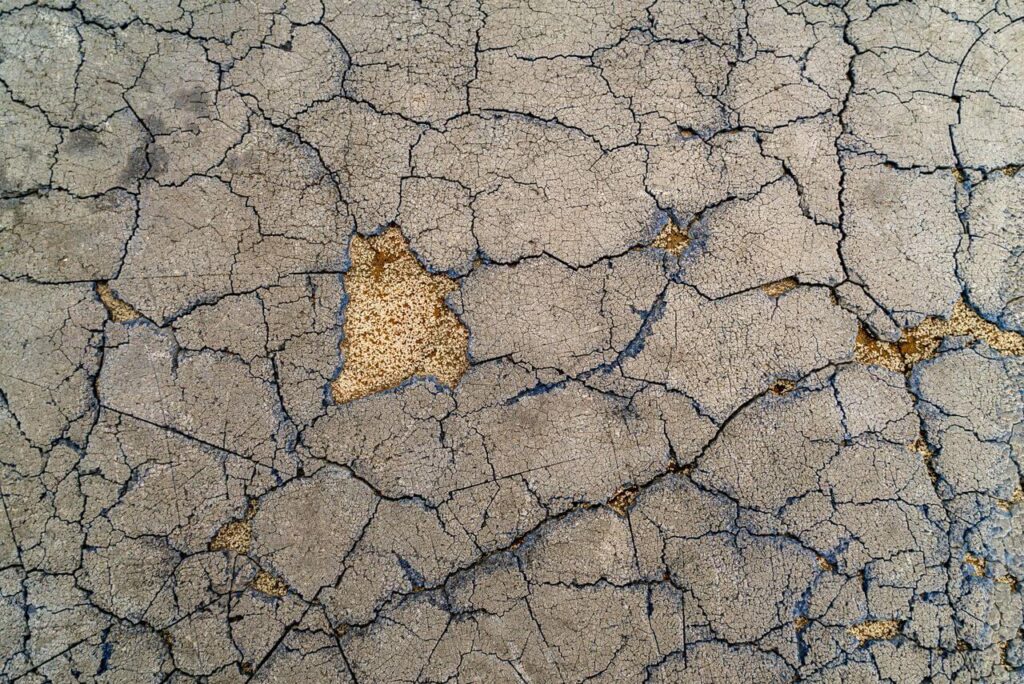
That slab looked perfect the day it went down. Now the surface is flaking, chipping, or peeling off in patches, and you’re standing there asking, why did the top pop off my concrete? Concrete surface failure – most people call it spalling – is one of the more aggravating problems a homeowner runs into. We see it all the time at Bill’s Custom Concrete & Yard Drainage. The upside is that most cases can be prevented, and a good number can be fixed. Here’s what causes concrete tops to pop and what you can actually do about it!

What Actually Causes Concrete to Pop and Flake?

Spalling almost never comes down to a single thing. Usually it’s several factors ganging up on the slab over time. Figure out the real cause, and you’re already halfway to a repair that lasts.

How Freeze-Thaw Cycles and Moisture Infiltration Damage Concrete Surfaces

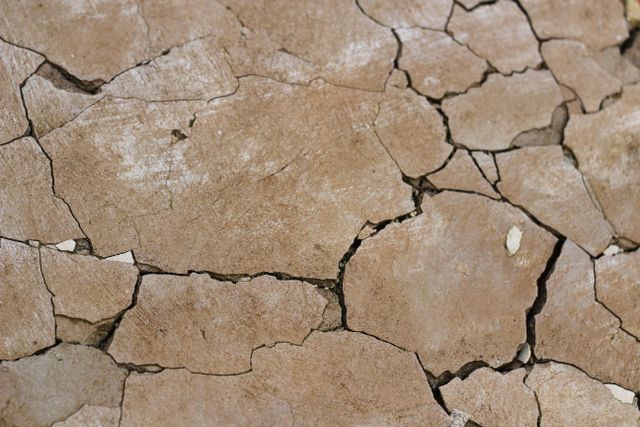
Water is the usual suspect. Moisture works its way into the top layer of concrete, then freezes, and when it freezes, it expands – about 9% by volume. That’s a lot of pressure building up in a place that can’t stretch to accommodate it. Run through enough freeze-thaw cycles, and the top layer starts to crack. Then it chips. Then you’ve got concrete popping out in sheets. You’ll see this most in regions with rough winters, and especially on surfaces that were sealed badly or never sealed at all.

The Role of Alkali-Silica Reaction (ASR) in Concrete Deterioration

ASR is a chemical reaction happening deep inside the concrete. Alkalis in the cement paste react with certain silica minerals in the aggregate, and the result is a gel that soaks up water and swells. That swelling pushes outward from within, and the surface eventually cracks and pops. ASR is slow – it can take years to show its face. But once it gets going, it keeps going, and it won’t stop on its own.

Why Poor Installation Practices and Drainage Issues Lead to Surface Failure

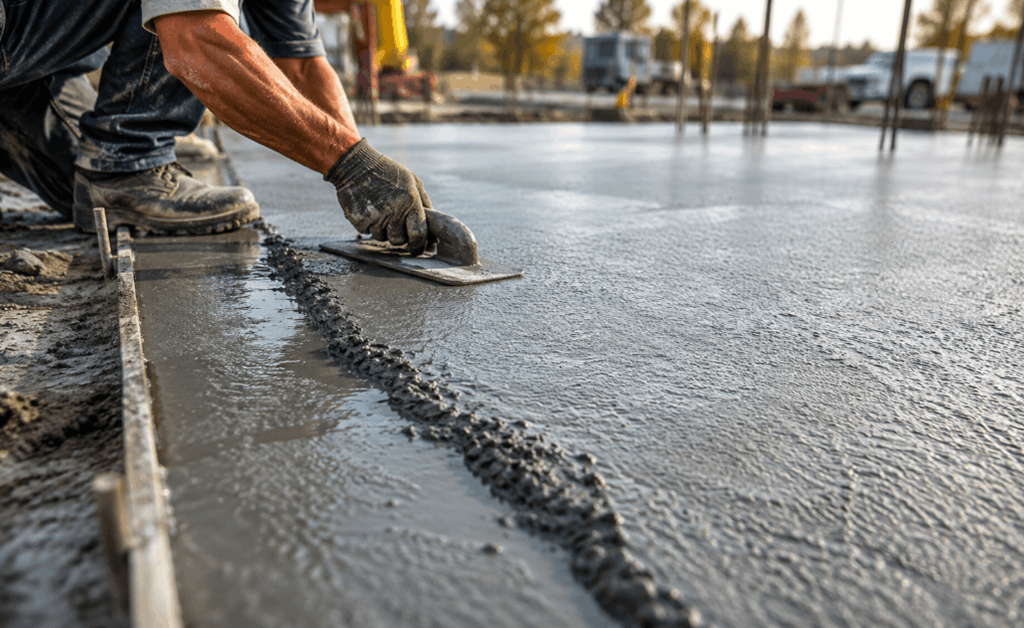
Concrete is only as good as the work behind it. Finish the surface too soon, before the bleed water has evaporated, and you trap moisture under the top layer. That moisture has nowhere to go. It weakens the surface and sets it up to delaminate – and those pop-outs in concrete are often the first visible sign something went wrong during the pour.

Poor grading and lousy drainage do their own damage by letting water pool on or around the slab. This is why we keep telling clients the pour is just one piece of the puzzle. Site prep and drainage planning carry just as much weight.

How Aggregate Problems and Low-Quality Materials Weaken the Surface Layer

What goes into the mix shapes how long the slab holds up. Aggregate that’s contaminated with clay, loaded with silt, or full of reactive silica can wreck the bond inside the concrete. Inconsistent aggregate sizing leaves weak spots – little zones where the surface gives out first under load or weather. Skimping on materials saves you a bit at the start. The repair bill down the road tends to erase that saving, and then some.

The Impact of Excessive Water Content During the Initial Pour

Adding extra water to the mix is a common shortcut, usually done to make it easier to work with. It does make the day of the pour go smoother. It also quietly robs the finished slab of strength and durability. A high water-to-cement ratio leaves you with a more porous surface, and porous concrete drinks up moisture – which means more freeze-thaw trouble and faster breakdown overall. Even a modest splash of extra water shows up in how the slab performs years later.
causes of concrete to pop off

What Are the Best Professional Fixes for Concrete Surface Spalling?

Minor popping often responds well to a quality resurfacer or a polymer-modified overlay. These bond to the existing slab and bring back a smooth, durable finish. If you’ve been searching for how to fix peeling concrete, this is usually the starting point – but if the damage runs deep or covers a wide area, resurfacing won’t cut it. Then we’re usually looking at removing the affected section and replacing it with a proper mix, finished the right way.

After any repair, we apply a penetrating sealer to slow future moisture from getting in. In freeze-prone areas, we lean toward a breathable formula – one that lets trapped moisture escape without inviting new water back in.

Frequently Asked Questions

Can I fix concrete spalling myself, or do I need a professional?

Small, shallow chips over a limited area? A hardware-store resurfacer can handle those. Anything bigger, or popping that keeps spreading, deserves a professional look from our team. Guess wrong on the cause and your repair can fail before the year’s out.

How long does a professional concrete repair typically last?

When the root cause is dealt with properly, a repair can hold for decades. The trick is matching the fix to the problem. Lay a nice overlay over structurally compromised concrete, and it won’t last, no matter how good the product is.

Does concrete sealing prevent the top from popping off?

Sealing cuts your risk of moisture-related spalling by a lot. It doesn’t cover every cause, though – it won’t stop ASR or undo a bad pour. Still, regular sealing is one of the smartest preventive habits a concrete owner can build.

Protect Your Concrete Before the Damage Gets Worse

Spalling tends to speed up once it starts. A single chip this season can spread into a real mess by next year. If your concrete is popping, cracking, or flaking, we’re glad to help you diagnose it and point you toward the right fix at Bill’s Custom Concrete & Yard Drainage – whether that’s a targeted repair or a full replacement. If you’re looking for concrete sidewalk repair near OKC, for example, reach out to our team today and get a professional assessment before things get worse!

Read More
Long Does It Take for Concrete to Dry

How Long Does It Take for Concrete to Dry?

Concrete is about as dependable as building materials get. But that reliability comes with a condition: it has to cure on its own schedule, not yours. Push it too fast, and you invite cracking, surface flaking, or worse – structural problems that cost real money to put right. We’ve watched people learn that the hard way at Bill’s Custom Concrete & Yard Drainage. How long does cement take to dry? Knowing isn’t just handy trivia. It’s the difference between a job done once and a job done twice.

Here’s the quick version. Concrete sets firm enough for light foot traffic in about 24 to 48 hours, but it doesn’t hit full strength until roughly 28 days have passed. The longer version has more moving parts. Several things affect the timeline, and understanding what happens at each point will save you a headache later.

What Affects How Long Concrete Takes to Dry?

Mix Design

The ratio of water to cement in your mix does a lot of the heavy lifting here. More water makes the concrete easier to work with, but it also drags out the curing time. Less water speeds up strength development, though it can be a pain to place and finish properly. There’s a trade-off either way.

Then there are admixtures – chemical additives used in professional work. Depending on what the project calls for, these can either speed the cure up or slow it down on purpose. It’s one more reason why high-quality stamped concrete Oklahoma City professionals factor mix design into every job from the start.

Weather, Humidity, and Airflow

Conditions on site matter more than people expect. When it’s hot and dry, the surface can dry out well before the concrete underneath has cured, and that mismatch leads straight to cracking. Cold does the opposite. It slows the chemical reaction – hydration – that gives concrete its strength. Drop below 50°F and things nearly stall.

Moisture in the air plays a part too. High humidity slows evaporation, and if you’re pouring in an enclosed space with poor airflow, expect the timeline to stretch. We plan every pour around the local climate, and it’s worth doing the same on your end.

The Three Stages of Curing

Stage One: Initial Set (0 – 8 Hours)

This is when concrete stops being a workable, movable material and firms into something solid. It usually happens somewhere between 2 and 8 hours after the pour, depending on your mix and the weather. The surface will feel firm, but don’t be fooled – it’s fragile. Foot traffic, dropped tools, or any weight at all can leave permanent marks.

Stage Two: Final Set (24 – 48 Hours)

By the one-to-two-day mark, concrete reaches its final set. Light foot traffic is generally fine now. Vehicles and heavy loads are not – keep them off. The concrete is still building strength quickly during this window, and any stress you put on it can quietly undermine how it performs down the line. If you’ve ever wondered about cement to dry and how long is really enough, this stage is where patience genuinely pays off.

Stage Three: Full Cure (28 Days)

Concrete gets to about 70% of its design strength in the first week. Full strength arrives around day 28. That’s the benchmark engineers and contractors rely on across the board. For driveways, slabs, and anything structural, waiting out the full cure before piling on heavy loads is simply the smart move.

Why It Pays to Listen to a Pro

We get the temptation to hurry. Timelines are tight, and waiting the better part of a month to use a fresh surface feels ridiculous. But cutting the cure short is one of the most common mistakes we run into – and one of the easiest to avoid.

Pouring concrete isn’t a walk-away job. We keep an eye on conditions, apply curing compounds when they’re needed, and shield fresh pours from rain, frost, and blistering heat. Small steps, big difference. Cured properly, a concrete surface can last decades. Rushed, it might start falling apart in a handful of years.

FAQs

Can I Walk On Concrete After 24 Hours?

Usually, yes – light foot traffic is fine after 24 to 48 hours. Just don’t drag heavy objects across it or walk on it in sharp footwear that could scratch or gouge the surface while it’s still hardening.

What Does Cold Weather Do To Drying Time?

It slows hydration considerably. Below 50°F, concrete takes much longer to reach usable strength. Below freezing, it can suffer permanent damage unless it’s properly protected.

Does Concrete Ever Stop Curing?

Not entirely. It keeps gaining a little strength for years. But the 28-day mark is where the industry agrees it has reached its functional design strength – and understanding how long cement cure takes is what helps you make smarter decisions from the start.

Get It Right the First Time

Concrete drying isn’t something to guess your way through. The variables are real, rushing gets expensive, and the right approach is what separates a surface that lasts from one that doesn’t.

Our team knows how to plan, pour, and cure concrete correctly for any job. Get in touch with Bill’s today to talk through your project and grab a free quote!

Read More
Different Types of Concrete Curbing

Different Types of Concrete Curbing

People ask us all the time how to finish off a driveway, tidy up a parking lot, or pull a landscaping project together. More often than not, the answer is concrete curbing. It marks out spaces, keeps soil from washing away, and gives a property that clean, finished look. We’re a custom concrete company, and we’ve seen the right border change how an entire outdoor space feels. So let’s walk through your options. The more you know going in, the smoother your next exterior upgrade tends to go.

Understanding the Different Types of Concrete Curbing Available Today

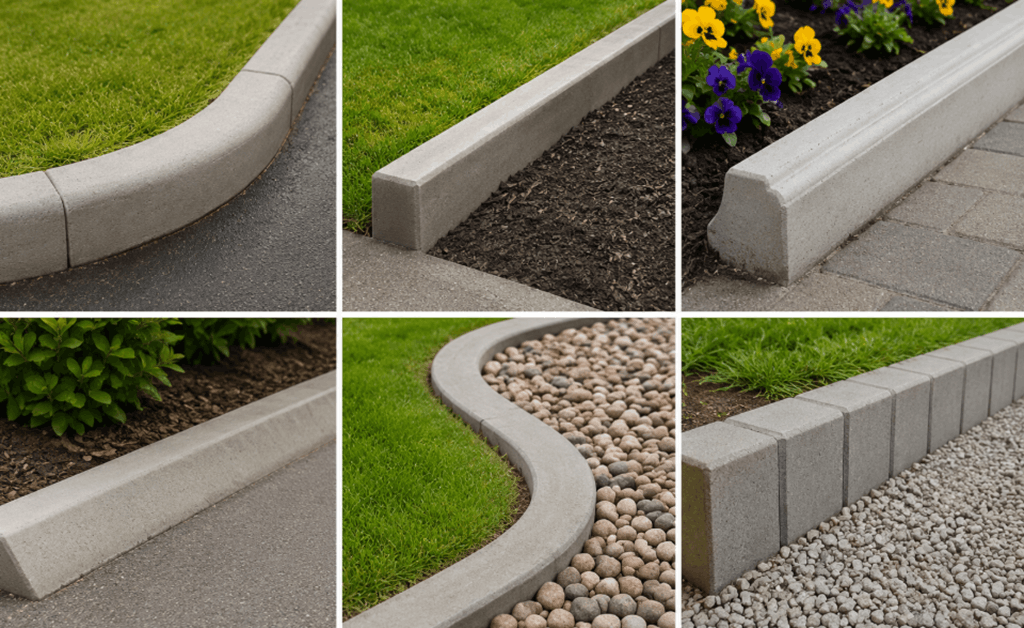
Choosing the right edging really starts with how each kind is made and put in. We work with a few different methods, and the types of concrete curbing you’ll come across each have a place depending on what your property needs.

Fast and Efficient Extruded Concrete Curbing

Extruded curbing comes out of a specialized machine that pours and shapes the concrete onto the ground in one continuous pass. We usually suggest it for large commercial lots and long residential driveways. It’s quick, and it’s kind to the budget. Picture a giant mold sliding along a set path, leaving a clean border behind it. Because there are no seams, you get solid structural integrity and a consistent look across long stretches.

Durable and Uniform Pre-Cast Concrete Curbing

Pre-cast curbs take another approach entirely. They’re made off-site in a controlled factory, then trucked over and set in place block by block. Every block comes from the same mold, so the uniformity is excellent. They’re tough, too, which is why you’ll spot them in busy urban areas and heavy-duty commercial zones. And if a vehicle ever cracks a section, we just pull the damaged block and set in a new one. No fresh pour needed.

Highly Customizable Hand-Formed Concrete Curbing

Some projects involve tight curves, odd angles, or extra reinforcement. Hand-formed curbing handles all of that. Our team builds wooden or metal forms right on your site, shaping them to follow the contours of your landscape. Then we pour the wet mix and finish the surface by hand. It takes more labor and a bit more time, sure, but among the concrete curb types we offer, the flexibility here is hard to match. We lean on hand-forming for custom garden beds, tricky architectural layouts, and ground that rises and falls.

Beautifully Crafted Decorative Concrete Curbing

Function and good looks don’t have to be at odds. Decorative curbing lets us work in custom colors, textures, and patterns. We can mix pigments straight into the batch to match your home, and our stamping tools can imitate natural stone, brick, or even weathered wood. Of all the concrete curbing styles out there, this is the one that turns a plain barrier into a genuine feature of your garden or walkway.

Crucial Factors to Consider When Choosing Your Concrete Curbing

With this many good options on the table, the right one comes down to a handful of variables. We walk clients through these before any ground prep begins.

Evaluating the Overall Durability and Longevity of the Material

Your border has to stand up to local weather and daily wear. A lot taking delivery trucks needs far more strength than a quiet garden bed. We help you weigh expected traffic and environmental stress so that your choice holds up for decades.

Matching the Aesthetic Appeal to Your Property Design

New edging should feel at home next to your existing architecture and landscaping. Look at the colors, textures, and shapes already in place. A modern office might suit clean extruded lines, while a rustic home often looks best with textured, earth-toned decorative edges. Looking at different types of curbing side by side usually makes the right fit clearer.

Budgeting for the Upfront Cost of Materials and Labor

Cost matters in any project. Extruded options usually give you the lowest price per linear foot on large jobs, while detailed hand-formed or decorative borders ask for more upfront. We hand you transparent estimates so you can balance the look you want against your budget.

Planning for the Long-Term Maintenance Requirements

Everything we install is built to last, though some styles want a little more attention. Stamped and colored versions, for example, do better with a fresh coat of sealer every few years. We’ll make sure you know what to expect.

Understanding the Timeline of the Installation Process

For busy commercial properties, speed can decide everything. Machine-extruded borders go down fast and get you back to business quickly. Hand-formed and decorative work needs more time to set up, pour, and cure, so we plan around your schedule and keep disruption low.

Let Our Team Bring Your Concrete Curbing Project to Life

The right edge adds to both the function and the value of your property. We take real pride in our craftsmanship, and when it comes to concrete curbs in Oklahoma City, we’ll handle anything from a simple extruded border to a fully customized decorative design. Reach out today to set up a consultation, and let us help you build a lasting perimeter for your next exterior project.

FAQs

Can Decorative Concrete Curbing Be Matched To My Home’s Exterior? 

Yes. We mix pigments directly into the batch to coordinate with your home’s color scheme, and our stamping tools can mimic natural stone, brick, or weathered wood. That means your curbing can blend seamlessly with existing architecture and landscaping rather than standing out as a plain barrier. During your consultation, we’ll go over color and texture options so that the finished edge feels like a natural part of your property.

Which Type Of Concrete Curbing Is The Most Affordable? 

For larger jobs, extruded curbing usually offers the lowest cost per linear foot since it’s installed quickly by machine in one continuous pass. Hand-formed and decorative options cost more upfront because they take extra labor and time, but they give you flexibility and custom looks that the faster methods can’t match. We provide clear estimates at Bill’s Custom Concrete & Yard Drainage so you can weigh the style you want against your budget before any work begins.

How Long Does Concrete Curbing Last? 

With proper installation and a little upkeep, concrete curbing can last for decades. The exact lifespan depends on the type you choose, the local weather, and how much traffic it handles. Decorative and stamped styles hold up well too, though they benefit from a fresh coat of sealer every few years to keep their color and texture looking sharp.

Read More
Can You Pour Concrete Over Concrete

Can You Pour Concrete Over Concrete?

Have you ever had a look at an old and deteriorated patio thinking that there was the possibility of putting a new concrete layer over it? This is a concern that we get quite often at Bill’s Custom Concrete & Yard Drainage. It is certainly possible to pour concrete over existing concrete. However, doing it successfully requires some careful planning and preparations, as well as choosing the right materials for the job.

Let’s discuss in more detail what needs to be considered in order for you to get a perfectly looking overlay, and how options like concrete stain in OKC may also come into play for the final appearance.

By reading this detailed guide, you will find out the key points that need to be taken into consideration before answering…? We will guide you through the necessary steps in order to achieve greacan you pour concrete over concretet results and point out to the warning signals indicating that pouring over an old concrete slab is impossible.

Important Things That Need to Be Considered Before Pouring

It is important to mention at once that before pouring a single portion of the new concrete layer, we carefully examine the current condition of the base slab. The strength of the new slab depends greatly on that of the older layer. It means that if the base slab is unstable and starts moving, then this tendency will also develop concerning the newer layer. Therefore, it is important to carefully look through the surface in order to detect wide cracks, uneven settlement, and so on. So, can you put concrete over concrete? This is the first step. 

It is equally crucial to pay enough attention to the surface preparation. Indeed, in order to pour concrete over an old slab, it is crucial to make sure that it is clean and free from any dirt or oils, because otherwise there would be no chance of achieving reliable adhesion between the old and the new concrete layers. This is especially important when laying concrete over concrete. At the same time, the height of the new layer should also be considered. Indeed, a new layer may affect the functionality of other constructions in the area.

Steps to Pour Successfully

Crack Repair and Surface Preparation

Before proceeding to the pouring stage, we carry out repairs of all minor damages. Thus, for example, small cracks may be filled up with masonry sealer or concrete filler. After the drying of the repaired surfaces, we begin with their thorough cleaning. In this case, we usually use powerful pressure washers together with a strong degreasing agent to get rid of any dust and grime on the surface, which is an essential part of pouring concrete over existing concrete.

Application of the Liquid Bonding Agent

As mentioned above, the new concrete layer does not attach to the existing one without any additional actions. Therefore, the next important step is the application of a special liquid bonding agent to the whole cleaned surface. This is a type of chemical glue allowing to attach both layers reliably. During the application, we pay enough attention to making sure that it is applied evenly all over the surface according to the manufacturer’s instructions.

Concrete Pouring

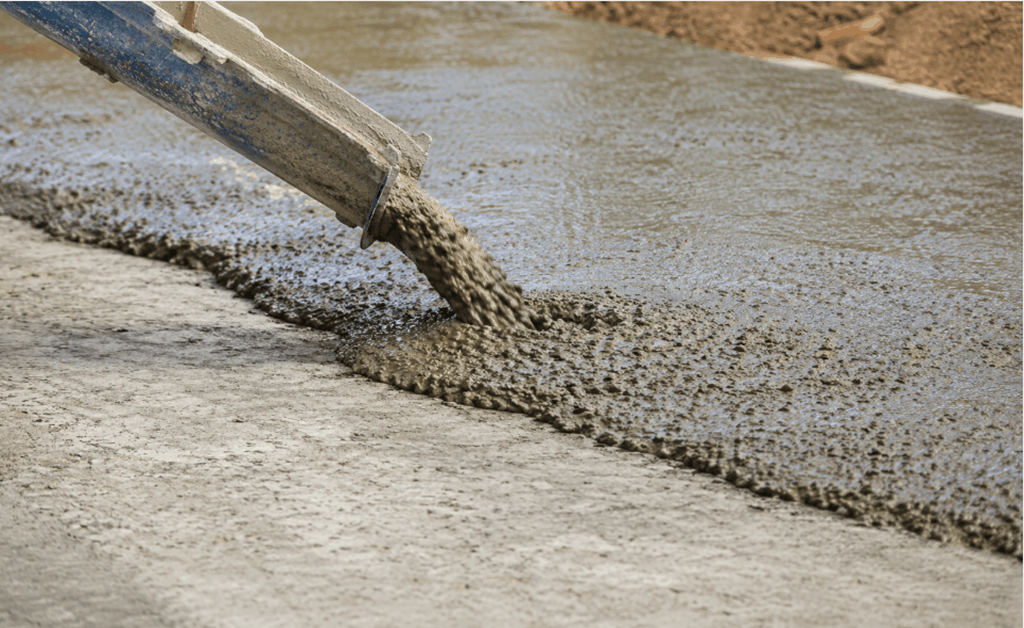
After the bonding agent dries completely, we start pouring the new concrete layer. In this case, we begin from pouring material at the highest elevation point of the slab gradually continuing until completing the whole slab. While pouring, we use a straight screed board to level the layer. We focus closely on edges of the slab making sure that there are no spaces between the new layer and wooden form.

Final Steps to Take

At the final stage, the concrete layer is finished with either a hand trowel or with a broom, depending on the desired degree of slip resistance.

When Is It Not Possible to Pour Over Existing Concrete?

Of course, not all concrete slabs are eligible for having a new layer poured over them. In particular, we never recommend pouring over concrete slabs that have severe structural problems. For instance, if an existing concrete slab has wide and deep cracks, caused by the movements of the base layer, then these cracks will quickly repeat themselves with regard to the new layer, spoiling its appearance.

Also, we do not recommend pouring concrete over such slabs that have been damaged by the growth of tree roots. The latter need to be removed, so only then it would be possible to pour the new layer. Also, if the old concrete slab starts crumbling apart or sinking into the soil due to its instability, then pouring over it will lead only to a temporary improvement.

FAQs

What thickness of new slab is recommended?

In general, the recommended thickness of a new concrete layer is two inches. If we pour less material than this, there would be a big risk that the concrete would start cracking and crumbling rather soon.

Should we use wire mesh in a new concrete layer?

If we pour a concrete layer of two inches for a residential construction, then in most cases we do not need to use any reinforcing material. However, if we need to pour more material or if it concerns a commercial structure, then in order to provide it with maximum strength professionals may use steel wire mesh.

How long can an overlay last?

Under ideal conditions, when everything has been done in the proper way, a well-poured concrete overlay can serve several decades. Its lifetime also depends greatly on the condition of the base slab and the quality of the bonding agent.

Ready to Get Your Concrete Slab Repaired!

Pouring over the existing concrete slab is a good decision if you want to repair it without any serious inconvenience. However, this process requires a lot of attention as well as the professional vision needed for evaluating the condition of an old slab. If you have doubts about pouring or want the result to be flawless, contact Bill’s Custom Concrete & Yard Drainage today!

Read More
Design Ideas for Patios with Stamped Concrete

Simple Concrete Design Ideas for Patios with Stamped Concrete

We at Bill’s Custom Concrete excel in turning basic backyards into magnificent outdoor areas. Stamped concrete is one of our go-to solutions for achieving luxurious aesthetics without having to over-spend. This procedure includes pressing molds into concrete while it’s still wet, thus giving an imitation of various materials. 

Our stamped concrete solutions are highly resistant to weather conditions and require little care. Homeowners often ask about concrete patio cost, and we’re committed to providing options that suit a variety of budgets without compromising on style or durability.

Popular Stamped Concrete Patterns and Textures

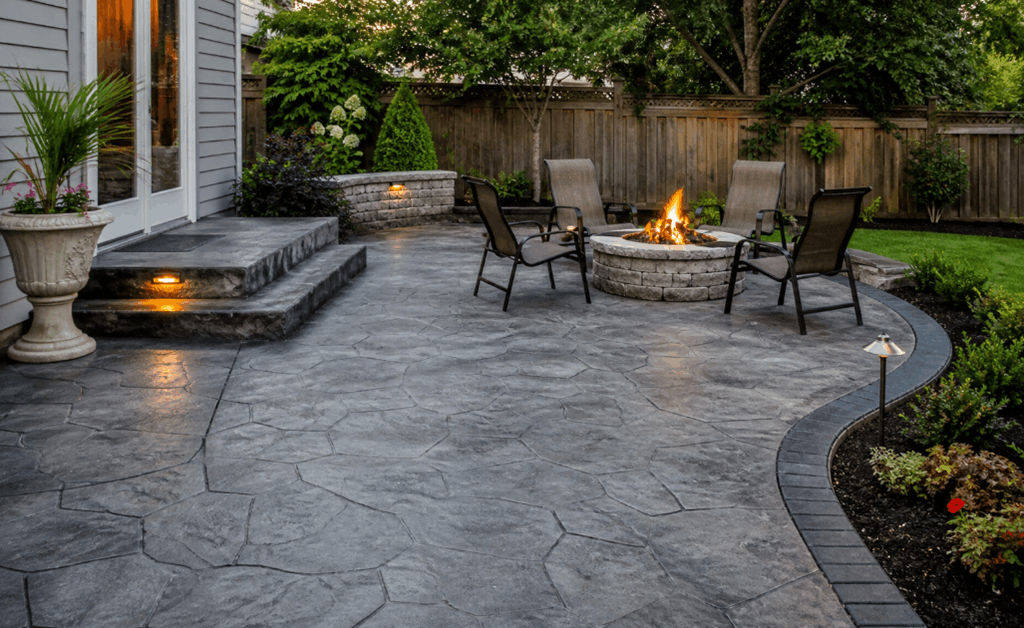
When it comes to a new patio design, texture is usually among the first things to be discussed. There are multiple options when it comes to stamped concrete. You can choose from wood planks which give a patio a unique rustic charm. There are also classic patterns imitating masonry, such as bricks. And of course, you may opt for natural stones – slate and flagstone are the most popular choices. 

If you’re looking for simple concrete patio design ideas, our team can recommend straightforward yet stylish options that are both functional and attractive. While the latter tend to have uneven surfaces due to their natural origin, all our stamped patios are guaranteed to be smooth and even.

Choosing the Best Color Options

Color has the greatest impact on the overall visual aspect of a stamped concrete patio. We use integral pigments to color the concrete, as well as special surface releasing agents for added depth. Light sandstone or gray patios make the area look bigger and reflect the sun rays, thus keeping you cool on the hottest days of summer. 

Alternatively, there are rich terracotta and dark charcoal patios giving a warm, cozy feeling and adding character to any outdoor space. If you’re exploring concrete patio designs ideas, these color choices can help you achieve the perfect atmosphere for your outdoor retreat.

Stamp Concrete Design Ideas That Fit Any Patio

Pouring custom concrete allows you to create a patio in any imaginable shape. Small yards may need a few sweeping lines to open them up; for instance, curved and seamless slate texture would be perfect for such an area. Meanwhile, if you have lots of space, you can consider using different levels of stamping for dividing your patio into zones. 

Another good idea would be to combine two patterns and use them together, say, a light slate center and a dark brick border around it. If you’re searching for concrete patio ideas, these flexible approaches offer plenty of inspiration regardless of your space.

Custom Concrete Surfaces and Landscape Design

A patio is part of the landscaping, so it makes sense to consider the ways to integrate them into each other. Our designers can work out a stamped concrete surface which perfectly curves around the rest of your garden and blends into the surrounding nature

If you’re looking for inspiration, explore some of the top concrete design ideas for patios to elevate both style and function. You can use various plants around your patio, such as shrubs, or even add landscape lighting to complement it. Choosing patio furniture that matches the accent colors of your patio is yet another great idea.

Make Your Backyard Magnificent

It isn’t necessary to overcomplicate the process of upgrading your backyard. With stamped concrete, you get the ability to create a perfect design tailored just for your needs. Contact our team of custom concrete specialists right away and get your dream patio installed! 

Read More