
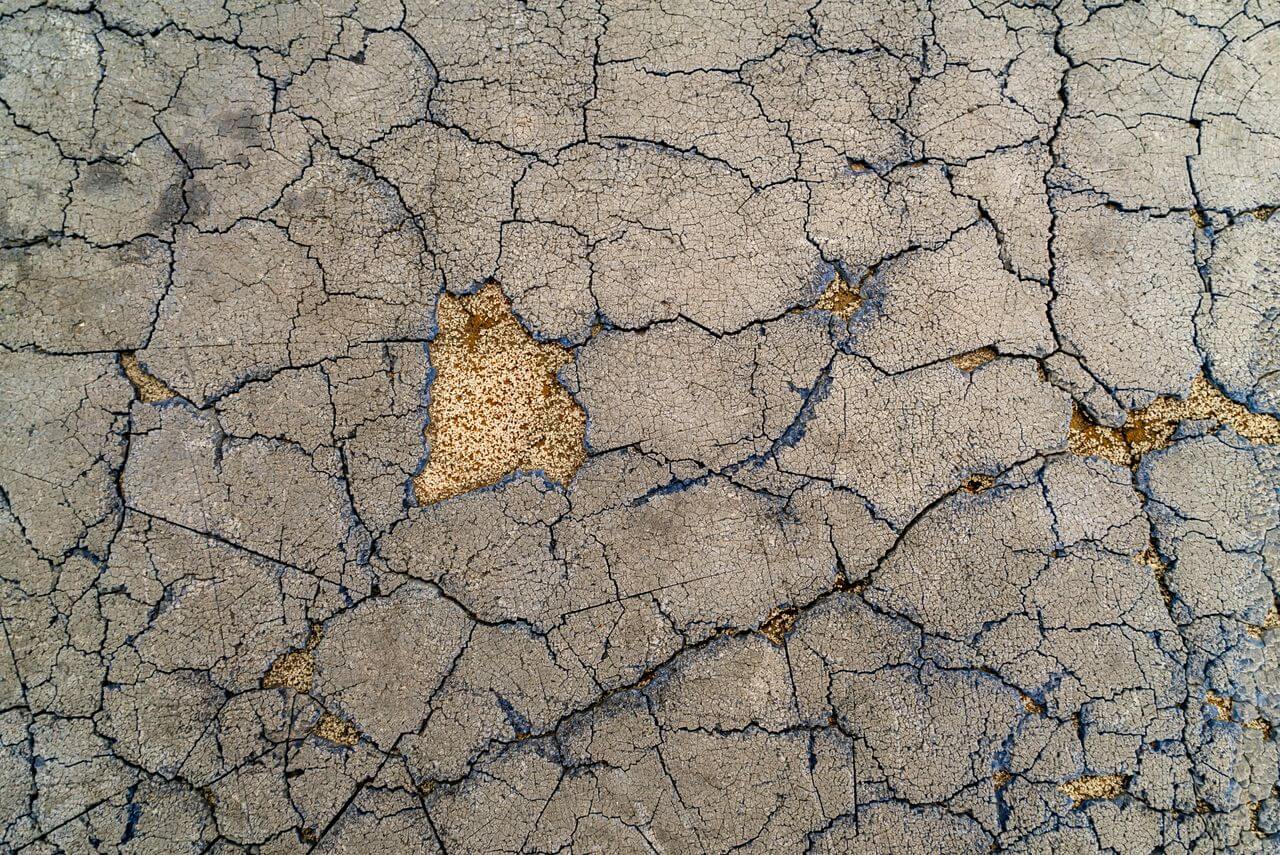
That slab looked perfect the day it went down. Now the surface is flaking, chipping, or peeling off in patches, and you’re standing there asking, why did the top pop off my concrete? Concrete surface failure – most people call it spalling – is one of the more aggravating problems a homeowner runs into. We see it all the time at Bill’s Custom Concrete & Yard Drainage. The upside is that most cases can be prevented, and a good number can be fixed. Here’s what causes concrete tops to pop and what you can actually do about it!
What Actually Causes Concrete to Pop and Flake?
Spalling almost never comes down to a single thing. Usually it’s several factors ganging up on the slab over time. Figure out the real cause, and you’re already halfway to a repair that lasts.
How Freeze-Thaw Cycles and Moisture Infiltration Damage Concrete Surfaces
Water is the usual suspect. Moisture works its way into the top layer of concrete, then freezes, and when it freezes, it expands – about 9% by volume. That’s a lot of pressure building up in a place that can’t stretch to accommodate it. Run through enough freeze-thaw cycles, and the top layer starts to crack. Then it chips. Then you’ve got concrete popping out in sheets. You’ll see this most in regions with rough winters, and especially on surfaces that were sealed badly or never sealed at all.
The Role of Alkali-Silica Reaction (ASR) in Concrete Deterioration
ASR is a chemical reaction happening deep inside the concrete. Alkalis in the cement paste react with certain silica minerals in the aggregate, and the result is a gel that soaks up water and swells. That swelling pushes outward from within, and the surface eventually cracks and pops. ASR is slow – it can take years to show its face. But once it gets going, it keeps going, and it won’t stop on its own.
Why Poor Installation Practices and Drainage Issues Lead to Surface Failure
Concrete is only as good as the work behind it. Finish the surface too soon, before the bleed water has evaporated, and you trap moisture under the top layer. That moisture has nowhere to go. It weakens the surface and sets it up to delaminate – and those pop-outs in concrete are often the first visible sign something went wrong during the pour.
Poor grading and lousy drainage do their own damage by letting water pool on or around the slab. This is why we keep telling clients the pour is just one piece of the puzzle. Site prep and drainage planning carry just as much weight.
How Aggregate Problems and Low-Quality Materials Weaken the Surface Layer
What goes into the mix shapes how long the slab holds up. Aggregate that’s contaminated with clay, loaded with silt, or full of reactive silica can wreck the bond inside the concrete. Inconsistent aggregate sizing leaves weak spots – little zones where the surface gives out first under load or weather. Skimping on materials saves you a bit at the start. The repair bill down the road tends to erase that saving, and then some.
The Impact of Excessive Water Content During the Initial Pour
Adding extra water to the mix is a common shortcut, usually done to make it easier to work with. It does make the day of the pour go smoother. It also quietly robs the finished slab of strength and durability. A high water-to-cement ratio leaves you with a more porous surface, and porous concrete drinks up moisture – which means more freeze-thaw trouble and faster breakdown overall. Even a modest splash of extra water shows up in how the slab performs years later.
What Are the Best Professional Fixes for Concrete Surface Spalling?
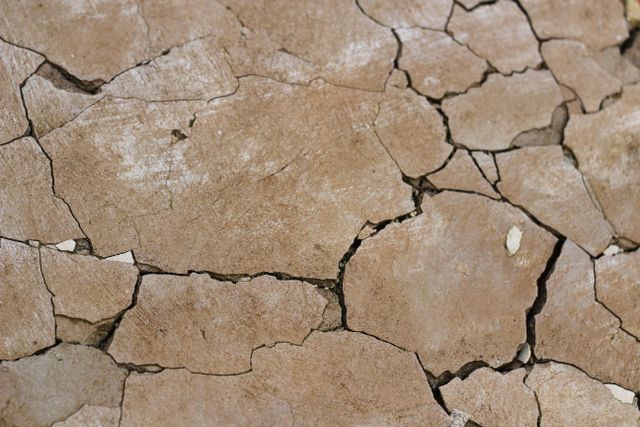
Minor popping often responds well to a quality resurfacer or a polymer-modified overlay. These bond to the existing slab and bring back a smooth, durable finish. If you’ve been searching for how to fix peeling concrete, this is usually the starting point – but if the damage runs deep or covers a wide area, resurfacing won’t cut it. Then we’re usually looking at removing the affected section and replacing it with a proper mix, finished the right way.
After any repair, we apply a penetrating sealer to slow future moisture from getting in. In freeze-prone areas, we lean toward a breathable formula – one that lets trapped moisture escape without inviting new water back in.
Frequently Asked Questions
Can I fix concrete spalling myself, or do I need a professional?
Small, shallow chips over a limited area? A hardware-store resurfacer can handle those. Anything bigger, or popping that keeps spreading, deserves a professional look from our team. Guess wrong on the cause and your repair can fail before the year’s out.
How long does a professional concrete repair typically last?
When the root cause is dealt with properly, a repair can hold for decades. The trick is matching the fix to the problem. Lay a nice overlay over structurally compromised concrete, and it won’t last, no matter how good the product is.
Does concrete sealing prevent the top from popping off?
Sealing cuts your risk of moisture-related spalling by a lot. It doesn’t cover every cause, though – it won’t stop ASR or undo a bad pour. Still, regular sealing is one of the smartest preventive habits a concrete owner can build.
Protect Your Concrete Before the Damage Gets Worse
Spalling tends to speed up once it starts. A single chip this season can spread into a real mess by next year. If your concrete is popping, cracking, or flaking, we’re glad to help you diagnose it and point you toward the right fix at Bill’s Custom Concrete & Yard Drainage – whether that’s a targeted repair or a full replacement. If you’re looking for concrete sidewalk repair near OKC, for example, reach out to our team today and get a professional assessment before things get worse!

Rapheal Guinn at Bill’s Custom Concrete & Yard Drainage assists clients with concrete crack repairs, foundation work, and yard drainage solutions such as french drains and excavation.