Tree roots causing damage to concrete sidewalks

How Tree Roots Damage Sidewalks and What You Can Do About It

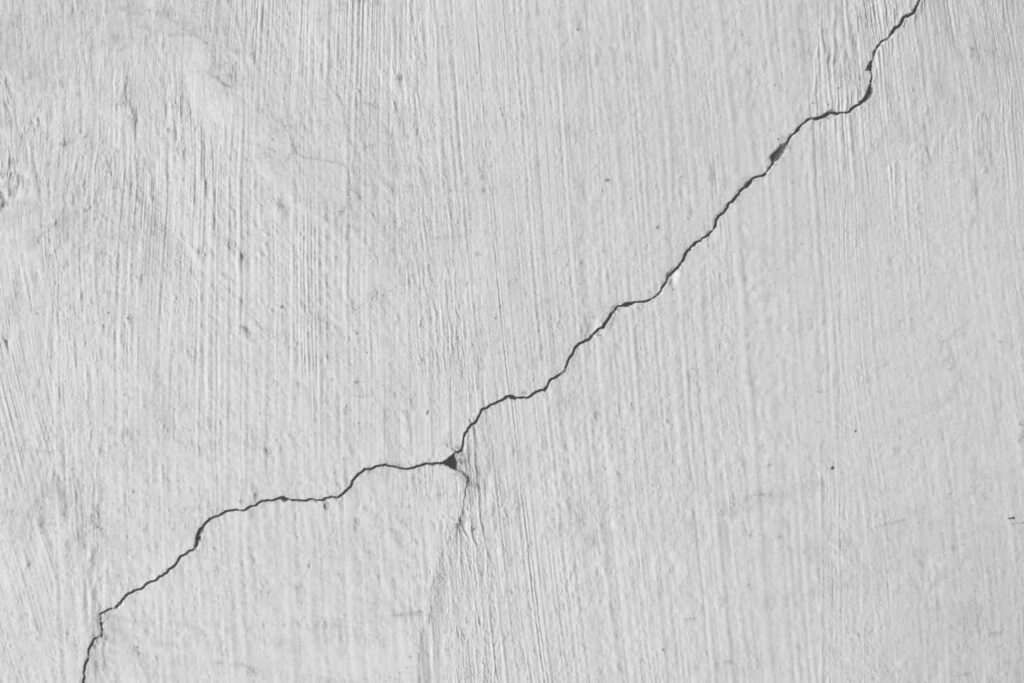
Tree-lined streets and beautifully landscaped yards are a hallmark of many neighborhoods. However, as much as trees enhance our surroundings, their roots can sometimes cause problems, particularly for sidewalks. If you’ve noticed cracks, uneven surfaces, or buckling in your concrete sidewalks, tree roots may be the culprit.

How Do Tree Roots Damage Sidewalks?

Tree roots are an essential part of a tree’s growth and stability, but they can become problematic when they interact with concrete. Here are the key ways tree roots can damage sidewalks:

  1. Expanding Root Systems: Tree roots grow outward in search of water and nutrients. Over time, they can extend far beyond the tree’s canopy. When these roots encounter a sidewalk, their continuous growth can exert upward pressure, causing the concrete to crack or lift.
  2. Soil Displacement: As roots grow larger, they displace the surrounding soil. This movement can create gaps or uneven support beneath the sidewalk, leading to sinking or tilting slabs.
  3. Moisture Imbalance: Tree roots absorb water from the soil, which can cause the surrounding ground to dry out and contract. This imbalance can weaken the soil’s ability to support the concrete, leading to cracks and other damage.
  4. Root Growth in Existing Cracks: If your sidewalk already has small cracks, tree roots can exploit these openings to grow deeper. As the roots expand, they widen the cracks and worsen the damage.

Looking for durable and high-quality concrete sidewalks in Oklahoma City? Trust Bill’s Custom Concrete for professional installation and craftsmanship. Contact us today for an estimate. 

Why Does This Matter?

Damaged sidewalks aren’t just an eyesore; they pose significant risks and consequences:

  • Safety Hazards: Uneven or cracked sidewalks increase the risk of trips and falls, potentially leading to injuries.
  • Legal Liability: Homeowners or property owners may be held liable for accidents caused by damaged sidewalks.
  • Costly Repairs: Delaying repairs can lead to more extensive damage, making the restoration process more expensive.

What Can You Do About It?

If tree roots are damaging your sidewalks, it’s important to address the issue promptly. Here are steps you can take to prevent further damage and restore your sidewalks:

1. Identify the Problem

Start by assessing the extent of the damage. Look for common signs such as cracks, lifted slabs, or uneven surfaces. Determining the root cause (pun intended!) will help you choose the right solution.

2. Consult a Professional

Tree root damage often requires specialized expertise. A professional concrete contractor can evaluate the damage and recommend the best course of action. They’ll also ensure the repairs comply with local regulations.

3. Repair or Replace the Sidewalk

Depending on the severity of the damage, you may need to repair or replace the affected sections. Common repair methods include:

  • Grinding Down Uneven Edges: If the damage is minor, grinding can smooth out lifted slabs and eliminate trip hazards.
  • Replacing Individual Slabs: For more significant damage, replacing one or more concrete slabs might be necessary.
  • Reinforced Concrete: Using reinforced concrete can help withstand pressure from tree roots in the future.

4. Install Root Barriers

Root barriers are a proactive measure to prevent tree roots from encroaching on your sidewalks. These barriers are typically installed between the tree and the sidewalk, redirecting root growth downward or away from the concrete.

5. Trim or Remove Problematic Roots

In some cases, trimming or removing invasive roots may be necessary. This step should always be done by an arborist or tree care professional to avoid harming the tree or causing it to become unstable.

6. Choose the Right Trees

When planting new trees, consider species with non-invasive root systems. Trees like dogwoods or Japanese maples are less likely to damage sidewalks compared to species like oaks or willows.

7. Maintain Your Trees and Sidewalks

Regular maintenance can help you catch and address issues early. Periodically inspect your sidewalks for signs of damage and ensure your trees are properly watered and pruned.

Preventing Future Damage

Prevention is always better than repair. If you’re planning to plant new trees or replace your sidewalk, take these precautions to minimize the risk of future damage:

  • Proper Planting Distance: Ensure trees are planted far enough away from sidewalks to accommodate their root systems.
  • Flexible Pavement Options: Consider using flexible pavement materials like rubber tiles or permeable pavers, which can adapt to root growth without cracking.
  • Regular Monitoring: Keep an eye on your trees and sidewalks for early signs of problems.

Call the Professionals at Bill’s Custom Concrete

Tree root damage to sidewalks can be challenging to manage, but with the right approach, you can restore safety and beauty to your property. At Bill’s Custom Concrete, we’re skilled in sidewalk repair and concrete solutions in Oklahoma City. Give us a call at 405-755-3975 to schedule a consultation and let us help you tackle tree root damage effectively. Don’t wait—contact us today!

Read More
Surface Area of Aggregate Concrete

Does the Surface Area of Aggregate Enhance Concrete?

Concrete, as one of the most used construction materials worldwide, relies heavily on its ingredients: cement, water, and aggregates. Aggregates, which make up 60-80% of concrete by volume, play a crucial role in the properties of the concrete, including its strength, durability, and workability. Understanding how the surface area of aggregate impacts concrete is essential to understanding why aggregates are more than just “fillers” and contribute to the material’s performance in significant ways.

What Are Aggregates in Concrete?

Aggregates are inert materials like sand, gravel, crushed stone, or recycled concrete that are combined with cement and water to form concrete. Aggregates can vary in size from fine particles, like sand, to coarse particles, like gravel. The type and quality of aggregate used in concrete significantly impact the overall properties of the finished material, making them a key consideration for concrete contractors in OKC aiming to achieve durable, high-quality results.

In concrete, aggregates serve several primary functions:

  • They provide bulk to the concrete mixture.
  • They enhance the strength and dimensional stability of concrete.
  • They reduce the amount of cement required, lowering costs.
  • They impact the overall weight and density of the concrete.

How Does Surface Area Relate to Aggregate?

The surface area of aggregate refers to the total area of all particles’ exposed surfaces in the concrete mix. When aggregates have a larger surface area, they provide a more bonding surface for the cement paste, which plays a significant role in the strength and durability of the concrete.

The surface area of aggregate can be affected by several factors:

  1. Size of the Aggregate Particles: Smaller particles, like fine sand, have a greater surface area relative to their volume compared to larger aggregates, such as gravel or crushed stone.
  2. Shape of the Aggregate Particles: Angular or irregularly shaped aggregates have a greater surface area than rounded particles. Crushed stone, for example, tends to have a more angular shape and, therefore, a larger surface area than rounded river gravel.
  3. Texture of the Aggregate: Rough-textured aggregates have a larger surface area than smooth-textured ones, which influences the way cement bonds with the aggregate.

The Role of Aggregate Surface Area in Concrete Properties

The surface area of aggregates in concrete has a direct influence on several key properties of the material, including strength, workability, and durability. Here’s a closer look at how each of these properties is impacted by the surface area of aggregate.

1. Strength of Concrete

One of the primary ways that aggregate surface area enhances concrete is through its impact on the material’s compressive strength. When the surface area of aggregate is larger, there is more bonding surface available for the cement paste. This increases the adhesion between the cement and aggregate, which contributes to the overall strength of the concrete.

However, it’s essential to maintain a balance. If the surface area of the aggregate is too high (often due to an excess of fine particles), more cement paste is required to coat all the particles, which can increase the amount of water needed. This can lead to a higher water-to-cement ratio, potentially weakening the concrete. Therefore, the balance of aggregate sizes is crucial to ensure that the surface area enhances strength without compromising other properties.

2. Workability of Concrete

Workability refers to the ease with which concrete can be mixed, placed, and finished. The surface area of aggregate can greatly influence this property. Larger aggregate surface areas generally require more cement paste to coat each particle adequately, which can impact the consistency and fluidity of the concrete mix. If there is an excess of fine aggregate (increasing the total surface area), the concrete mixture may become “sticky” and harder to work with.

On the other hand, if the aggregate surface area is lower due to the use of coarser materials, the concrete mix can be more workable and flow easily. For projects where workability is essential, like in pumpable concrete or in complex forms, adjusting the size and distribution of aggregate can help achieve the desired consistency without compromising strength or durability.

3. Durability of Concrete

Concrete durability is critical for structures exposed to harsh environments, such as freeze-thaw cycles, chemical exposure, or abrasion. The surface area of aggregate affects durability in several ways.

A larger aggregate surface area allows for a stronger bond between the cement paste and aggregate, which can enhance the concrete’s resistance to wear, weathering, and chemical reactions. For example, in areas where concrete is subject to freeze-thaw conditions, a strong bond between cement paste and aggregate helps prevent moisture from penetrating the concrete, reducing the risk of cracking and spalling over time. Additionally, rough and angular aggregates with a larger surface area can improve the concrete’s ability to resist abrasion, making it more suitable for high-traffic areas.

4. Shrinkage and Creep

Shrinkage refers to the reduction in volume as concrete dries and hardens, while creep is the slow deformation of concrete under sustained load. The surface area of aggregate can impact both of these properties by influencing the water demand of the concrete mix.

Higher aggregate surface areas, often due to finer particles, can increase the amount of water required in the concrete mix. Excess water can lead to higher shrinkage rates as the water evaporates, increasing the risk of cracking. By controlling the surface area through the choice and grading of aggregates, the likelihood of shrinkage and creep can be reduced, contributing to the concrete’s long-term stability.

Balancing Aggregate Surface Area for Optimal Concrete Performance

Gravel path with parallel rusty metal lines embedded, creating a textured pattern.

In practice, achieving optimal concrete properties often involves a balance between fine and coarse aggregates. A well-graded aggregate mix combines different particle sizes to maximize density and minimize the amount of cement paste required to coat the aggregate surfaces. This balance allows concrete to achieve the desired strength, durability, and workability.

Concrete mixes with a balanced surface area:

  • Provide adequate bonding surface without requiring excess cement paste.
  • Maintain good workability for ease of placement and finishing.
  • Enhance durability for long-term performance, especially in challenging environments.

Protect Your Concrete with Professional Sealing Services

Ensure the longevity and appearance of your concrete surfaces with high-quality sealing. At Bill’s Custom Concrete & Yard Drainage, we provide reliable solutions to safeguard your concrete against wear and weather. Contact us today at 405-755-3975 to schedule a service that keeps your surfaces durable and beautiful.

Read More
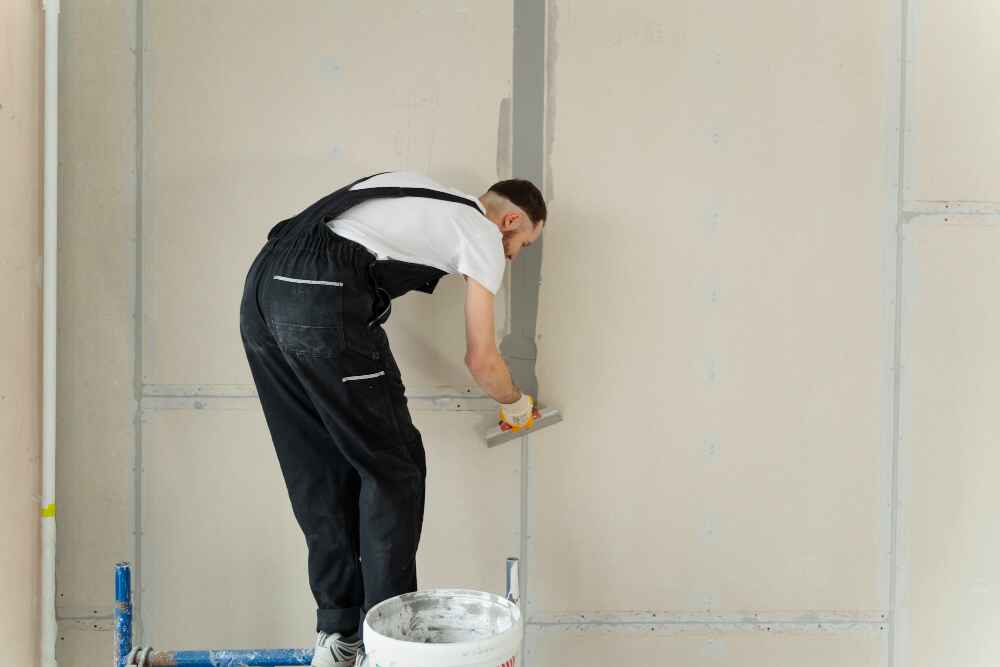
Man applying concrete to the ceiling, using a trowel for smooth finish.

Why Sealing Concrete is Essential for Long-Lasting Durability

Concrete is one of the most durable and versatile materials used in construction, from driveways and patios to floors and walls. It provides a solid foundation for many types of structures, both residential and commercial. However, while concrete is strong and long-lasting, it is not invulnerable to the elements. To ensure that concrete surfaces maintain their strength, appearance, and functionality over time, sealing concrete is a crucial step that homeowners and businesses alike should not overlook.

Protects Against Moisture Damage

One of the most significant threats to stamped concrete in Oklahoma City is water. Concrete is porous, which means that it naturally absorbs moisture from rain, snow, and even humidity. Over time, water can seep into the concrete, causing damage such as cracking, spalling, and erosion. When water infiltrates the surface, it can freeze in colder climates, expanding and leading to cracks. This type of moisture-related damage is often referred to as freeze-thaw damage, and it underscores the importance of protecting stamped concrete against the elements.

Sealing concrete creates a protective barrier that prevents moisture from entering the material. By applying a high-quality sealer, the concrete’s pores are closed off, reducing the likelihood of water penetration. This is particularly important for surfaces exposed to harsh weather conditions, such as driveways, patios, or walkways that may be subjected to freezing and thawing cycles. In regions like Oklahoma City, where temperatures can fluctuate dramatically, sealing concrete is essential for preserving the surface’s integrity over the years.

Prevents Staining

Concrete, by nature, is prone to stains from oil, grease, dirt, and chemicals. Whether it’s a driveway that experiences oil drips from vehicles or a patio exposed to spills during a family gathering, stains can mar the appearance of concrete surfaces. Even with regular cleaning, without a protective seal, stains may become embedded in the porous surface, making them difficult to remove.

Sealing concrete not only protects the surface from moisture but also helps prevent stains from penetrating the material. A concrete sealer acts as a barrier that keeps oils, dirt, and chemicals from soaking into the surface, making it easier to clean up spills and keep the concrete looking fresh. This is particularly beneficial for driveways, where oil leaks from vehicles are a common problem, or in high-traffic areas where dirt and debris tend to accumulate.

Enhances Durability and Longevity

Sealing concrete doesn’t just improve its appearance; it also enhances its durability and longevity. Concrete surfaces exposed to the elements and heavy traffic are more susceptible to wear and tear, which can lead to cracking and surface degradation. Sealing concrete creates a protective shield that helps reduce the effects of abrasion, traffic, and environmental stress.

In addition to protection from moisture and stains, sealing concrete also helps the surface resist the impact of UV rays, which can cause fading and discoloration over time. This is especially important for concrete that is exposed to direct sunlight, such as patios, sidewalks, or pool decks. By reducing the wear caused by UV exposure, sealing concrete helps maintain its original color and appearance for a longer period, prolonging the life of the surface.

Prevents Cracking and Spalling

Close-up of a cracked white concrete wall corner, highlighting texture and contrast with a rough, dark block wall on the left.

Concrete is highly durable, but it is still susceptible to cracks and surface deterioration over time, especially when exposed to extreme weather conditions. Spalling, which is the flaking or chipping of the concrete surface, is a common issue that can occur when moisture is absorbed into the material. When water seeps into the concrete and then freezes, it expands, causing the concrete to crack and flake off in layers. This not only affects the appearance of the surface but can also weaken its structure over time.

Sealing concrete helps to mitigate the risks of cracking and spalling by providing a barrier against water penetration. By keeping water from entering the concrete’s surface, sealing concrete prevents freeze-thaw damage and protects the material from the internal pressure caused by freezing water. This makes sealed concrete far more resilient and less likely to experience the types of surface deterioration that lead to costly repairs or replacements.

Improves Appearance

Concrete surfaces, while functional, can sometimes appear plain or uninviting. Unsealed concrete often develops a dull, faded look over time as a result of wear, dirt, and exposure to the elements. Sealing concrete can enhance the appearance of the material by adding a glossy or satin finish, depending on the type of sealer used. This can give your concrete surfaces a more polished and refined look, making them more attractive.

Additionally, some sealers are available in tinted or colored versions, allowing you to customize the appearance of your concrete surfaces to match your overall design aesthetic. Whether you’re sealing a patio, driveway, or walkway, applying a sealer can improve the visual appeal of the concrete, making it a more integral part of your home or business’s exterior design.

Saves Money on Repairs

While sealing concrete may require an upfront investment, it can save you money in the long run by reducing the need for costly repairs. Concrete surfaces that are left unsealed are more likely to develop cracks, stains, and other forms of damage, all of which can require expensive repairs or resurfacing. By regularly sealing your concrete surfaces, you can extend their lifespan and avoid the need for major repairs, helping you save on maintenance costs over time.

Protect Your Concrete Investment Today!

Sealing your concrete is essential for long-lasting durability and maintaining its appearance. Don’t let moisture, stains, and cracks reduce the life of your concrete surfaces. At Bill’s Custom Concrete & Yard Drainage, we provide professional sealing services that safeguard your investment. Call us now at 405-755-3975 to schedule your concrete sealing and keep your surfaces looking great for years to come!

Read More
Excavation for New Construction​

What to Expect During Excavation for New Construction Projects

When starting a new construction project, one of the first and most important steps is excavation. This process is critical for laying the groundwork for the building, ensuring a stable foundation and proper site preparation. If you’re new to the world of construction, you may wonder, “What is excavation in construction?” Simply put, it involves clearing and preparing the land by digging, removing soil, and leveling the ground where the structure will be built. For Oklahoma City excavation construction projects, this step is essential to ensuring that your build is secure and long-lasting. Let’s walk through the different stages of excavation for new construction projects, so you know what to expect.

1. Initial Site Preparation

Before the excavation process begins, the construction site needs to be properly prepared. This preparation involves clearing the land of any vegetation, trees, rocks, or debris that may hinder the excavation process. In some cases, existing structures may need to be demolished if the project involves a rebuild or renovation.

During this phase, you’ll often see bulldozers or other heavy machinery clearing the area. The goal is to create a clean, workable space where excavation can take place smoothly. Proper site preparation is essential to ensure that the land is ready for the next steps in the construction process.

2. Surveying and Marking the Area

Once the site is cleared, the next step is surveying the land. A land surveyor will visit the construction site to measure and mark the area where excavation will take place. These marks are usually set according to the construction plans and help guide the excavation team on where to dig.

Surveying is vital because it ensures that the structure will be built in the correct location and at the right elevation. The land must be accurately measured and marked to avoid any potential issues with property lines, drainage, or foundation placement later in the project.

3. Excavation Begins: Digging and Earth Removal

Now that the site is cleared and marked, the actual excavation process can begin. Heavy machinery, such as excavators, backhoes, and bulldozers, are used to dig into the ground and remove soil and other materials. The depth and size of the excavation will depend on the construction project and what is being built.

For example, if you’re building a house with a basement, the excavation will go much deeper compared to a project without one. The goal of this step is to dig out the earth to create a space where the foundation will be placed. The soil that is removed may either be transported offsite or used for grading around the property later on.

4. Grading the Land

After the initial excavation is complete, the next step is grading. Grading involves leveling the land to ensure proper drainage and a stable foundation for the building. If the ground is uneven, it could cause problems with water runoff, potentially leading to erosion or foundation issues down the line.

Grading also helps to create a smooth, flat surface for the foundation. In some cases, the soil may need to be compacted to provide extra support for the structure. A smooth, well-graded site is crucial for the safety and stability of any new construction project.

5. Trenching for Utilities

Another key part of the excavation process is digging trenches for utilities. Whether you’re building a home or a commercial space, it’s important to ensure that all necessary utilities—such as water lines, gas lines, and electrical cables—are properly installed.

During this stage, specific trenches are dug to accommodate these utility lines. It’s essential that these trenches are carefully measured and placed according to the construction plans to avoid any future issues with plumbing, electrical, or other essential systems.

6. Foundation Excavation

Construction site with excavators, dump trucks, and workers wearing safety gear.

Once the site has been excavated and graded, the next step is to dig out space for the foundation. The foundation is one of the most important elements of any construction project, as it supports the entire structure.

Depending on the type of building and its design, the excavation for the foundation may vary. For example, if the project involves a deep foundation (such as for a skyscraper or larger commercial building), excavation will need to go deeper and may require additional reinforcement.

Once the foundation space is excavated, the construction team can pour the concrete and begin forming the base of the building. At this point, you’ll start to see the building begin to take shape, though much of the work is still happening underground.

7. Backfilling and Compacting

After the foundation has been laid and construction starts moving forward, the excavation team will often return to perform backfilling. This involves filling in any remaining gaps or holes with soil around the foundation.

Backfilling is crucial because it helps stabilize the foundation and prevents water from pooling around the base of the structure. In some cases, the soil may need to be compacted to provide extra support. Proper backfilling ensures that the building remains stable over time, reducing the risk of erosion or shifting.

8. Erosion Control and Drainage Planning

One of the last stages of excavation is ensuring that the site has proper erosion control and drainage systems in place. This is especially important for areas with heavy rainfall or unstable soil conditions.

Erosion control measures, such as retaining walls, drainage ditches, or even landscaping features like swales, may be added to the site to prevent soil erosion. These measures are designed to direct water away from the building’s foundation and into designated drainage areas, ensuring that the land remains stable over time.

Conclusion

Excavation for new construction is a crucial part of any building project. It sets the stage for everything that comes after and ensures that the structure will be safe, stable, and durable. From initial site preparation and surveying to digging, grading, and foundation work, excavation involves several important steps.

By understanding excavation in construction and what to expect during the process, you’ll be better prepared as your construction project moves forward. Whether you’re building a home, office, or any other type of structure, a well-executed excavation is key to a successful build.

Start Your Next Project with Bill’s Custom Concrete!

At Bill’s Custom Concrete, we provide top-notch excavation services to ensure your new construction project gets off to the best start. With our dedication and attention to detail, you can trust us to deliver a solid foundation for your build. Contact us today to discuss how we can bring your vision to life in Oklahoma City!

Read More
Concrete Pation

Creative Uses for Stamped Concrete Beyond Patios

When you think of stamped concrete, your mind may immediately jump to stunning patios that enhance outdoor spaces. While patios are indeed a popular application, stamped concrete offers a world of possibilities that go far beyond this traditional use. With a variety of stamped concrete colors and patterns available, homeowners and businesses can create unique and attractive spaces with stamped concrete in Oklahoma City. Let’s explore some creative uses for stamped concrete that you might not have considered.

1. Walkways and Pathways

One of the most practical applications for stamped concrete is in walkways and pathways. Stamped concrete can create beautiful paths that lead guests through gardens, yards, or commercial properties. By choosing different stamped concrete colors and patterns, you can design walkways that seamlessly blend with the surrounding landscape. For instance, a stone-like texture can mimic natural pathways, providing an organic feel that enhances the outdoor experience.

2. Driveways

Transforming a mundane driveway into an eye-catching feature is another great use for stamped concrete. Instead of the typical plain gray slab, stamped concrete driveways can mimic the appearance of brick or cobblestone, adding charm and character to your home. With a range of colors available, you can select a shade that complements your home’s exterior. Additionally, using stamped concrete for driveways is not only aesthetically pleasing but also durable and low-maintenance, making it a smart choice for homeowners.

3. Pool Decks

A pool deck is another area where stamped concrete can shine. The surface around your pool can be both functional and attractive. Stamped concrete provides a slip-resistant surface, ensuring safety for swimmers and sunbathers alike. You can opt for light-colored stamped concrete colors to reflect heat, keeping the area cooler on hot summer days. Patterns that resemble natural stone or tile can create a luxurious atmosphere around your pool, making it the perfect setting for relaxation and entertainment.

4. Commercial Spaces

Businesses can also benefit from stamped concrete. Whether it’s a retail store, restaurant, or office building, adding stamped concrete can enhance curb appeal and create a welcoming atmosphere. For example, outdoor dining areas can utilize stamped concrete to create inviting patios that draw in customers. Additionally, walkways leading to entrances can be designed with vibrant stamped concrete colors that match the branding of the business, ensuring a cohesive and professional look.

5. Driveway Aprons

The transition between the street and your driveway is often overlooked, but it can make a significant impact on your home’s overall appearance. A stamped concrete apron can set your driveway apart from the rest of the pavement. By incorporating designs that mimic natural stone or traditional brick, you can create a stylish entrance to your property. This is a fantastic opportunity to play with stamped concrete colors, allowing for a blend of tones that enhance the aesthetics of your home.

6. Outdoor Living Areas

Outdoor lounge area, shaded with colorful beams. Cozy wicker sofas surround a glass-top coffee table.

Incorporating stamped concrete into outdoor living areas can elevate your outdoor experience. Think of outdoor kitchens, fire pits, or seating areas. Stamped concrete can be used to create durable surfaces that are both functional and stylish. By choosing stamped concrete colors that complement the natural surroundings or your home’s exterior, you can create a cohesive design that enhances your outdoor space.

7. Garden Edging

Using stamped concrete as garden edging is a creative way to define your flower beds and landscaped areas. This application provides a clean and polished look while helping to keep mulch or soil contained. You can choose from various patterns and colors to match the plants and flowers in your garden. Stamped concrete edging is also more durable than traditional wooden or plastic options, ensuring your garden maintains its neat appearance for years.

8. Retaining Walls

For those looking to add structure and support to their landscaping, stamped concrete can be a stunning choice for retaining walls. Stamped concrete allows you to create walls that mimic the look of natural stone or brick, providing both strength and beauty. This is an excellent way to enhance the visual appeal of sloped yards or to create terraced gardens. The versatility of stamped concrete colors means you can select shades that harmonize with your landscape.

9. Indoor Flooring

While stamped concrete is often associated with outdoor applications, it can also be a fantastic choice for indoor flooring. Homeowners can enjoy the durability and ease of maintenance that stamped concrete provides. By selecting warm, inviting stamped concrete colors, you can create an elegant and welcoming interior space. Whether in basements, entryways, or kitchens, stamped concrete can offer a unique alternative to traditional flooring options like tile or hardwood.

10. Commercial Parking Lots

Stamped concrete can also be an innovative choice for commercial parking lots. While practicality is crucial in this application, aesthetics should not be overlooked. Stamped concrete colors can create designated spaces and pathways that guide customers effectively through parking lots. Additionally, using stamped concrete can add character to an otherwise utilitarian area, making a great first impression on visitors.

Stamped concrete offers a wide range of creative uses that go well beyond patios. From enhancing walkways and driveways to transforming commercial spaces and indoor areas, the possibilities are endless. With a variety of stamped concrete colors and patterns available, you can personalize each space to match your style and preferences. If you’re considering stamped concrete for your next project, you’ll be amazed at how it can enhance the beauty and functionality of your home or business. Embrace the versatility of stamped concrete, and let your imagination run wild. 

Transform Your Space with Bill’s Custom Concrete!

At Bill’s Custom Concrete, we believe that every outdoor area has the potential to shine. Whether you’re looking to enhance your patio, driveway, or any other space with stunning stamped concrete, our team is here to bring your vision to life. Contact us today to discover how we can elevate your property with our professional concrete services in Oklahoma City!

Read More