
Foundation Cracks

Understanding Foundation Cracks: Types, Causes, & Prevention Tips

What Causes Foundation Cracks?

Foundation cracks can develop for a variety of reasons, and understanding the root cause is crucial for addressing the issue. Here are some of the most common factors that lead to foundation cracks:


  • Soil Movement: The expansion and contraction of soil beneath your foundation are leading causes of cracks. During wet conditions, the soil absorbs moisture and expands, putting pressure on the foundation. Conversely, in dry periods, the soil shrinks, creating gaps that may cause the foundation to settle unevenly, resulting in cracks.
  • Water Damage: Poor drainage around the foundation can lead to water pooling, which weakens the soil and creates pressure on the structure. Over time, the buildup of moisture can cause foundation materials to deteriorate, increasing the likelihood of cracking.
  • Poor Construction: If a foundation isn’t constructed properly, it may not be able to support the weight of the structure over time. Inadequate concrete mixtures, improper reinforcement, or errors in leveling can contribute to early cracking.
  • Temperature Changes: Extreme fluctuations in temperature can cause the foundation materials to expand and contract. These shifts can weaken the foundation over time, leading to cracks, especially in regions where temperatures swing drastically between seasons.
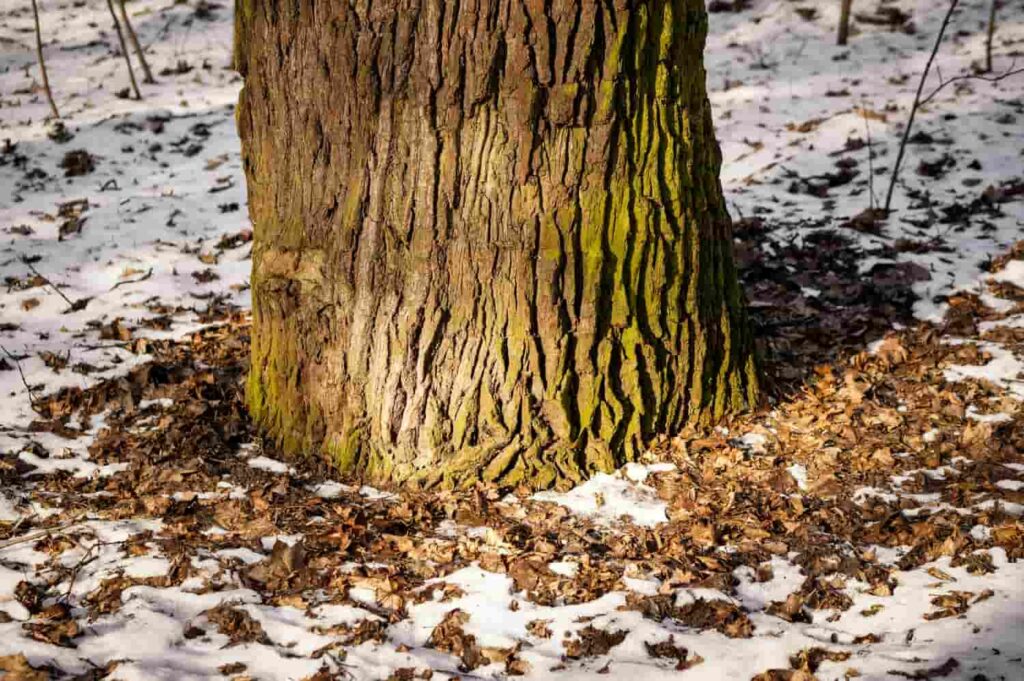
  • Tree Roots: The roots of large trees or shrubs near the foundation can grow and spread under the structure, displacing soil and causing the foundation to shift. This movement can result in cracks forming in the concrete.

Understanding the cause of your foundation cracks is the first step in addressing the issue and preventing further damage.

Why Your Foundation May Be Cracking

Foundation cracks are often a sign that something beneath or around your home is shifting. Here are a few reasons why your foundation may be cracking:

  • Uneven Settling: Over time, the soil beneath your home can shift or compact unevenly, causing parts of the foundation to sink or settle at different rates. This uneven movement puts stress on the foundation, leading to cracks, especially in areas where the soil wasn’t properly compacted during construction.
  • Excess Moisture: If water isn’t draining properly around your home, it can collect around the foundation. Excessive moisture causes the soil to become soft and unstable, allowing the foundation to move or settle, which can result in cracks. In areas with heavy rainfall or poor drainage systems, this is a common cause of foundation issues.
  • Drought Conditions: On the opposite end, very dry conditions can also affect your foundation. When the soil loses moisture, it shrinks and pulls away from the foundation, creating voids. This lack of support can cause sections of the foundation to crack as it shifts or settles unevenly.
  • Poor Soil Conditions: Certain types of soil, like clay, are more prone to expanding and contracting with changes in moisture. If your home is built on this type of soil, the constant shifting and pressure can lead to cracks in the foundation. Soils with a high clay content are especially vulnerable to these fluctuations.
  • Inadequate Reinforcement: If your foundation wasn’t properly reinforced during construction, it may not be able to withstand the natural settling process of the house. Foundations require proper reinforcement to resist cracking as the home settles over time. Without adequate support, even small shifts in the structure can lead to visible cracks.
  • Natural Disasters: Events like earthquakes, flooding, or heavy storms can shift the ground and compromise your foundation. Even small tremors can cause structural damage over time, particularly in older homes that may not be built to withstand such forces.


Different Types of Foundation Cracks and What They Mean

Foundation cracks come in various forms, each providing clues about the underlying issue. Here’s a breakdown of the most common types of foundation cracks and what they could indicate, with tips on how to address them through foundation crack repair in Oklahoma City.


  • Vertical Cracks: Vertical cracks are the most common and usually run straight up and down or slightly diagonal, following the wall’s line. These cracks are often a result of normal settling and are typically less serious. However, if they appear suddenly or widen over time, it could be a sign of excessive settling or soil movement.


What they mean:

In most cases, vertical cracks are not a major concern, especially if they are thin (less than 1/8 inch wide). These cracks often result from natural settling and can be repaired with simple methods like filling and sealing. However, if they continue to widen, it may indicate more significant foundation shifting.


  • Horizontal Cracks: Horizontal cracks are more concerning and usually appear on the walls of basement foundations or crawl spaces. These cracks are often caused by excessive pressure from soil pushing against the foundation, usually due to water buildup or expanding soil.


What they mean:

Horizontal cracks are a sign of structural stress and could indicate a more serious problem, such as bowing or shifting foundation walls. If left unaddressed, these cracks can worsen over time, leading to more severe structural issues. It’s essential to have horizontal cracks inspected and repaired promptly to prevent further damage.


  • Diagonal Cracks: Diagonal cracks typically run at a 30 to 75-degree angle from the vertical, often appearing on walls or corners of foundations. These cracks are usually caused by uneven settling of the foundation, where one side sinks more than the other. This can happen due to poor drainage, soil movement, or inconsistent support beneath the foundation.


What they mean:

Diagonal cracks suggest uneven foundation movement and should be monitored closely. If the cracks are wider at the top than at the bottom (or vice versa), it indicates significant foundation shifting. Minor diagonal cracks can often be repaired, but larger or widening cracks may require more extensive foundation stabilization.


  • Stair-Step Cracks: These cracks resemble a staircase and usually follow the mortar joints in brick or block foundations. Stair-step cracks are often seen in homes with brick or block walls and are a sign of foundation movement.


What they mean:

Stair-step cracks indicate settlement issues and can be a warning of serious foundation problems if they become wider over time. The movement of soil or water buildup around the foundation can exacerbate these cracks. If they’re expanding, it’s important to address the underlying cause to prevent further damage.


  • Hairline Cracks: Hairline cracks are very small, fine cracks that often occur in newly poured concrete as it cures. These cracks are typically surface-level and don’t extend deep into the foundation.


What they mean:


Hairline cracks are usually harmless and a normal part of the concrete curing process. They generally don’t pose a structural threat, but it’s still important to monitor them. If they start to grow or become wider, it could indicate a larger issue that requires attention.

By understanding the types of foundation cracks and what they mean, homeowners can take the appropriate steps to address potential issues before they escalate into costly repairs.


Tips for Preventing Cracks and Managing Damage

Cracked white wall with irregular lines and textures, suggesting age and wear.

While foundation cracks can’t always be completely avoided, there are steps homeowners can take to minimize the chances of cracks forming and to manage any existing damage before it worsens. Here are some effective tips for preventing cracks and addressing foundation issues:


Ensure Proper Drainage

One of the main causes of foundation cracks is excess moisture around the foundation. Make sure your home’s drainage system directs water away from the foundation. Install gutters, downspouts, and French drains to channel rainwater and runoff away from your home’s base. Regularly clean your gutters to prevent clogs and overflowing.

Tip: Ensure that downspouts extend at least several feet away from the foundation to reduce water pooling near the base of the home.


Monitor Soil Moisture Levels


During periods of drought or extreme dryness, the soil around your foundation can shrink, leading to cracks. Keep the soil around your foundation evenly moist by watering it during dry spells. However, avoid overwatering, as excessive moisture can also lead to foundation movement.

Tip: Use soaker hoses to maintain consistent moisture levels in the soil during dry conditions to prevent it from pulling away from the foundation.


Repair Leaks and Plumbing Issues Promptly


Leaking pipes, especially those close to the foundation, can cause water to accumulate around the base of the house, weakening the foundation and leading to cracks. Inspect your home’s plumbing system for leaks and have any issues repaired quickly to prevent water damage.

Tip: Pay special attention to basement areas and plumbing near the foundation walls, as leaks in these areas are more likely to affect the foundation.


Maintain Proper Grading Around the Home


The ground surrounding your home should slope away from the foundation to prevent water from accumulating near the base. Poor grading can cause water to pool and seep into the soil, eventually leading to foundation issues. Ensure that the slope of the ground directs water away from the house.

Tip: A slope of at least 6 inches over 10 feet is recommended to keep water from draining toward the foundation.


Install Root Barriers


Tree roots can extend under your foundation and disrupt the soil, causing it to shift. If you have large trees or shrubs near your home, consider installing root barriers to prevent the roots from affecting the foundation. These barriers can protect both the foundation and the tree by redirecting root growth away from the house.

Tip: Plant trees and large shrubs at a safe distance from your home to reduce the likelihood of root intrusion.


Seal Cracks Early


If you notice small cracks forming in your foundation, address them early before they become larger. Sealing minor cracks with epoxy or polyurethane can prevent moisture from entering and causing further damage. This is especially important for hairline and vertical cracks, which can be fixed relatively easily.

Tip: Regularly inspect your foundation for any signs of cracking or shifting, and repair small cracks immediately to avoid expensive repairs down the line.


Monitor Foundation Movement


It’s important to keep an eye on your foundation over time. Small cracks are normal, but if you notice cracks growing in width or length, or if new cracks are forming frequently, it may indicate a deeper issue. Regular monitoring can help you catch problems early and prevent costly repairs.

Tip: Take note of any new or worsening cracks, particularly horizontal or diagonal ones, as these may suggest more significant foundation issues that require professional attention.


Use Foundation Watering Systems

In areas with highly expansive soils, foundation watering systems can help maintain consistent moisture levels around your home. These systems release water into the soil at controlled intervals, preventing extreme expansion and contraction of the soil, which can lead to cracks.


Tip: Consider installing an automated foundation watering system if you live in a region prone to soil movement due to moisture fluctuations.


By taking proactive steps to prevent foundation cracks and managing any damage early on, homeowners can avoid more serious and costly issues in the future. Regular maintenance, proper drainage, and prompt repairs are key to preserving the health and stability of your home’s foundation.


Protect your home’s foundation by addressing cracks early. Contact Bill’s Custom Concrete today for reliable foundation inspection and repair solutions. Keep your foundation strong and secure—reach out now!

Read More
Common Yard Drainage Issues

Common Yard Drainage Issues and How to Fix Them

Proper yard drainage is crucial for maintaining the health and stability of your property. Without an effective drainage system, water can accumulate in unwanted areas, leading to a range of issues. Excess water can cause soil erosion, damage plant roots, and create muddy patches in your yard. Over time, poor drainage can also result in more serious problems, such as basement flooding, foundation damage, and increased pest activity due to standing water. Ensuring proper drainage not only protects your landscape but also prevents costly repairs and maintains the structural integrity of your home.

Signs of Yard Drainage Problems

Identifying yard drainage issues early can help prevent costly damage and maintain a healthy landscape. Here are some common signs that indicate poor drainage:


  • Water Pooling: If you notice standing water in your yard or around your home after a rainstorm, it’s a clear sign of poor drainage. Water pooling occurs when your yard doesn’t have the proper slope to direct water away from your property. This stagnant water can lead to soggy grass, damaged plants, and even breed mosquitoes if left untreated.


  • Soggy Soil: Soil that remains wet for extended periods can suffocate plant roots and lead to poor grass and plant health. Over time, soggy soil can prevent proper nutrient absorption, causing grass to turn yellow and plants to wilt. This condition is especially problematic in areas where water consistently fails to drain properly.


  • Erosion: Soil erosion is another telltale sign of yard drainage problems, particularly on slopes or in gardens and flower beds. When water isn’t properly diverted, it can wash away topsoil, leaving exposed roots and barren patches in your yard. Erosion can destabilize landscaping features, weaken plant health, and create an uneven, unattractive lawn.


  • Basement Flooding: Improper yard drainage can also lead to basement leaks or flooding. When water is unable to flow away from the house, it can seep into the foundation, causing cracks or water damage. This can lead to structural issues, mold growth, and a damp, musty smell in your basement.


  • Mildew or Mosquitoes: Excessive moisture around your home can create a breeding ground for pests, especially mosquitoes. Stagnant water provides the ideal environment for mosquitoes to lay eggs, increasing the risk of infestation. Additionally, moisture trapped in areas like basements or near the foundation can lead to mildew and mold growth, which can pose health risks for you and your family.

Recognizing these signs early allows homeowners to take action before yard drainage problems escalate into more severe and expensive issues.


Common Yard Drainage Issues

Several factors can contribute to poor yard drainage, often resulting in standing water, soggy lawns, and long-term property damage. Here are the most common yard drainage problems homeowners face:


Poor Grading

One of the primary causes of yard drainage issues is poor grading. Grading refers to how the ground is sloped around your property. If your yard doesn’t have the proper slope, water won’t flow away from the foundation and other important areas. Instead, it will pool in low spots, potentially causing basement flooding and soil erosion. For optimal drainage, your yard should slope away from your home by at least 2-3% to allow water to flow safely toward drainage systems.


Compacted Soil

Compacted soil occurs when soil particles are pressed tightly together, preventing water from being absorbed properly. Heavy foot traffic, vehicles, or construction work can lead to compacted soil, especially in areas with clay-rich soil. When the ground becomes compacted, water tends to run off the surface rather than soak into the soil. This can lead to standing water, poor plant health, and an overall decline in yard aesthetics.


Clogged or Broken Gutters and Downspouts

Gutters and downspouts play a crucial role in directing water away from your home. When gutters become clogged with leaves, debris, or ice, they can overflow, causing water to spill onto the ground near your foundation. Broken or disconnected downspouts can also contribute to drainage problems by allowing water to pool in undesirable areas. Over time, this can lead to soil erosion, basement flooding, and damage to your home’s foundation.


Inadequate Drainage Systems

Yards without proper drainage systems are more prone to flooding and standing water. A lack of systems like French drains, catch basins, or surface drains prevents water from being properly redirected away from your home. Similarly, if drainage systems are improperly installed or maintained, they can fail to function effectively. Without an adequate system in place, water accumulates in low-lying areas, leading to long-term landscape and structural damage.


Hardscaping Problems

Hardscaping features, such as patios, driveways, and sidewalks, can also cause drainage issues if not installed correctly. Impermeable surfaces like concrete and asphalt prevent water from being absorbed into the ground, causing runoff. If hardscaping is installed without a proper slope nor a drainage system, water can pool in unwanted areas, contributing to erosion and damage to surrounding landscaping. Additionally, poorly designed hardscape features can direct water toward your foundation, increasing the risk of basement flooding.


By understanding and addressing these common yard drainage issues, you can protect your property from water damage and maintain a healthy, functional landscape.


How to Fix Common Yard Drainage Problems

A worker in a blue shirt and brown pants kneels on dirt, fixing equipment with tools from a belt.

If you’re experiencing drainage issues in your yard, there are several effective solutions to address the problem and prevent further damage to your landscape and home. Below are some common fixes for yard drainage problems:


Regrading the Yard: Regrading, or re-sloping, your yard is one of the most effective ways to correct drainage issues. By adjusting the slope of your yard, you can ensure that water flows away from your home and toward a drainage area. Regrading involves removing soil from high areas and filling in low areas to create a gradual slope. For proper drainage, your yard should have a minimum slope of 1 inch per 10 feet, directing water away from your foundation and low-lying areas. This process is best done by a professional to ensure precise and lasting results.


Installing a French Drain: A French drain system is a popular solution for yard drainage problems, especially in areas with significant water accumulation. French drain systems consist of a perforated pipe buried in a gravel-filled trench, which collects and redirects water away from problem areas. Here’s a step-by-step overview of how to install a french drain system in OKC:


  1. Excavate a Trench: Dig a trench in the area where water tends to pool. The trench should be sloped slightly downward to guide water toward a drainage outlet.
  2. Line the Trench: Place landscape fabric inside the trench to prevent soil from clogging the drain over time.
  3. Add Gravel: Fill the trench with gravel, leaving enough room to insert the perforated pipe.
  4. Install the Pipe: Place the perforated pipe in the trench, ensuring it’s positioned to carry water away from your yard.
  5. Cover with Gravel and Fabric: Add more gravel over the pipe and fold the landscape fabric over the top. This will prevent debris from entering the drain.
  6. Fill the Trench: Cover the trench with soil or sod to restore the landscape.


A French drain effectively redirects excess water and prevents pooling in your yard.


Aerating the Soil: Compacted soil can significantly affect your yard’s drainage. Aerating the soil helps loosen compacted areas, allowing water to be absorbed more easily into the ground. This can improve grass and plant health by providing roots with better access to water and nutrients.


To aerate your soil:


  1. Use a core aerator, which removes small plugs of soil, creating space for water, air, and nutrients to penetrate the ground.
  2. Focus on compacted areas, especially where you notice water pooling.
  3. Aerate your lawn at least once a year to promote better drainage and overall yard health.


Extending Downspouts: Clogged or short downspouts can cause water to pool around your home’s foundation. Extending your gutter downspouts is a simple yet effective solution to direct water away from your house and into a designated drainage area. To extend downspouts:


  1. Attach an extension to the end of your existing downspout.
  2. Ensure the extension reaches a point at least 5 to 10 feet away from your foundation.
  3. Direct the extension toward a drainage system, dry well, or garden area.
  4. This method prevents water from seeping into the foundation and reduces the risk of basement flooding.


Installing Catch Basins or Dry Wells


Catch basins and dry wells are effective drainage solutions for collecting and managing excess water in your yard. A catch basin is a drainage box that collects water from the surface and directs it to an underground drainage system. Dry wells, on the other hand, store excess water underground, allowing it to slowly filter into the surrounding soil. Here’s how to install a catch basin or dry well:


  • Determine the Low Spot: Install the catch basin or dry well in an area where water naturally accumulates.
  • Dig a Hole: Excavate a hole deep enough to accommodate the catch basin or dry well.
  • Install the Drain: For catch basins, connect the drainage pipes to guide water away from your yard. For dry wells, fill the hole with gravel to allow water to filter into the ground.
  • Cover with Soil: After installation, cover the system with soil or sod to restore the landscape.


Catch basins and dry wells prevent standing water and help maintain healthy soil by efficiently redirecting excess water.


These methods can effectively address common yard drainage issues, ensuring a dry, healthy yard and protecting your property from water damage.


When to Call a Professional

While many yard drainage problems can be managed with DIY solutions, certain situations require the skills of a professional. Here are some scenarios where you should consider seeking professional help:


Persistent Flooding: If your yard regularly experiences large areas of standing water, especially after rainfall, it may be a sign of a larger drainage issue that simple fixes can’t resolve. Professionals can assess the problem and install more advanced drainage systems, such as underground pipes or stormwater management solutions.


Major Erosion: Significant soil erosion, particularly on slopes or near your foundation, can cause severe damage to your landscaping and home. A professional can help regrade your yard, stabilize the soil, and implement erosion control measures to prevent further issues.


Basement or Foundation Leaks: If poor yard drainage is causing water to seep into your basement or damage your foundation, it’s critical to consult a professional. A professional can provide waterproofing solutions, repair cracks, and ensure that water is being properly redirected away from your home.


Complex Grading Issues: Regrading a yard can be a challenging and labor-intensive task that requires precision. If your property has significant grading problems or uneven terrain, a professional will have the experience and equipment to ensure that water flows away from your home without causing new issues.


Installing Advanced Drainage Systems: If your yard requires a more complex drainage system, such as a French drain, dry well, or sump pump, it’s best to call in a professional to ensure proper installation. Poorly installed systems can lead to more drainage problems and costly repairs.


Calling a professional at the right time can save you from bigger issues down the road, such as structural damage to your home, extensive landscaping repairs, and increased costs.


Addressing yard drainage problems early is crucial to prevent long-term damage to your home and landscape. Ignoring poor drainage can lead to serious issues, such as foundation damage, basement flooding, soil erosion, and unhealthy plants. By identifying the signs of drainage problems and implementing the right solutions—whether it’s installing a French drain, regrading your yard, or aerating the soil—you can protect your property and ensure a healthy outdoor environment.

If you’re experiencing yard drainage problems, don’t wait until the damage worsens. Contact Bill’s Custom Concrete today for professional solutions that protect your home and landscape. Let our team help you create a healthier, more efficient yard drainage system!

Read More
Why Hire Concrete Professional

Signs It’s Time to Hire a Professional for Your Concrete Project

Concrete projects may seem simple, but they often need more skill and care than most people realize. If you’re planning a new driveway, patio, or other concrete work, knowing when to call in a professional can save you time, money, and stress. Here are some key signs that you should consider hiring a pro for your concrete project.

Complex Design Needs

If your project has a complicated design, it’s a clear sign you need a professional. Custom concrete work often involves detailed patterns and textures that go beyond basic slabs. Bill’s Custom Concrete & Yard Drainage has the knowledge to handle these intricate designs, ensuring that everything looks just right.

Creating unique patterns or custom finishes in concrete is a skilled task. Professionals use special tools and techniques to achieve the exact look you want. They know how to balance beauty with strength, making sure your design is not only appealing but also durable.

Large-Scale Projects

For big projects like commercial parking lots or large residential areas, it’s essential to hire a professional. These types of jobs require a lot of planning, equipment, and people, which are usually beyond the scope of DIY efforts. Bill’s Custom Concrete & Yard Drainage can manage these large-scale projects effectively, keeping everything on schedule and within budget.

Big projects also need equipment, like concrete pumps and mixers. Professionals have access to these tools and know how to use them properly, making sure the job gets done efficiently and to a high standard.

Permits and Regulations

Concrete projects often need permits and must follow local building codes. Handling these rules can be confusing and time-consuming. Professionals are familiar with these regulations and can manage the permit process for you. They ensure that your project meets all legal requirements, avoiding potential fines or the need to redo work.

Inspections may also be required at different stages of your project. A professional will handle these inspections and make sure your project passes all necessary checks.

Existing Structural Issues

If you’re dealing with existing concrete that has cracks, uneven surfaces, or other problems, it’s important to hire a professional. These issues need a proper diagnosis and repair. Bill’s Custom Concrete & Yard Drainage can accurately identify the cause of the problems and determine whether a simple repair or a complete replacement is needed.

DIY fixes are often temporary solutions. Professionals use high-quality materials and methods to provide long-lasting repairs, ensuring that your concrete stays in good shape for years to come.

Time Constraints

Hands hold a vibrant red clock against a textured blue brick wall.

Time can be a major factor in concrete projects. Whether you have a tight deadline for a business project or need a quick turnaround for a home improvement, professionals can meet these deadlines more effectively. Bill’s Custom Concrete & Yard Drainage has efficient workflows and knowledgeable teams that can complete your project on time.

Many professional contractors offer guaranteed timelines, so you can have confidence that your project will be finished as planned. They also handle unexpected delays better than most DIY efforts.

Safety Concerns

Concrete work involves heavy materials, potentially dangerous equipment, and physical labor. Safety should always be a top priority. Professionals follow strict safety procedures to protect their workers and your property. They are trained to handle equipment safely and know the risks associated with concrete work.

Hiring a professional also means they have liability coverage. If something does go wrong, their insurance will cover any damages, protecting you from financial loss.

High-Quality Finish

If you want a high-quality finish for your concrete project, hiring a professional is your best bet. Professionals ensure that the final product is smooth, level, and visually pleasing. Bill’s Custom Concrete & Yard Drainage pays attention to the details that make a big difference in the appearance of your project, from precise cutting to careful finishing.

Many professionals offer warranties or guarantees on their work. This means that if any issues come up, they will be addressed at no extra cost, giving you peace of mind.

Get Professional Help for Your Concrete Project—Ensure Quality and Durability

Recognizing when to hire a professional for your concrete project can prevent costly mistakes and ensure that the work is done correctly from the start. Whether you’re dealing with complex designs, large-scale projects, or repairs of existing structures, professional services offered by Bill’s Custom Concrete & Yard Drainage have the knowledge and resources to deliver excellent results. Don’t risk the quality and durability of your concrete work—trust the professionals to handle it with the care and precision it deserves.

Read More
Concrete Curb Cutting OKC

Concrete Curb Cutting: Enhancing Property Value and Curb Appeal

If you’re looking to improve your property’s appearance and increase its value, well-designed concrete curbs can make a big difference. Whether you’re considering adding concrete curbs to your driveway or other areas, the benefits are significant. Here, we explain how concrete curb cutting can enhance your property in Oklahoma City and why Bill’s Custom Concrete & Yard Drainage should be your choice for this job.

Why Concrete Curbs Matter

Concrete curbs do more than just look good. They offer several practical benefits that can enhance your property’s value.

Functionality and Safety

One of the main reasons to install concrete curbs is to improve both functionality and safety. Curbs act as barriers that help define different areas, such as parking lots, driveways, and garden beds. They prevent vehicles from driving onto lawns or other restricted areas, which reduces the risk of accidents and damage.

Aesthetic Appeal

Concrete curbs also play a big role in improving the look of your property. Well-designed curbs can give your landscape a clean and polished appearance. Whether you choose simple lines or more intricate designs, concrete curbs can be customized to match the style of your property.

Advantages of Concrete Curb Cutting

Concrete curb cutting offers several benefits that make it a popular choice for property owners in Oklahoma City.

Precision and Customization

One of the biggest advantages of concrete curb cutting is the ability to customize precisely. Whether you need to adjust the height, width, or shape of existing curbs, cutting allows you to achieve the exact specifications you want. This is especially useful for properties with unique layouts or specific design needs.

Cost-Effectiveness

Concrete curb cutting is also a cost-effective solution. Instead of removing and replacing entire sections of concrete, precise cuts can modify existing structures. This approach saves both time and money, making it a great option for those on a budget.

Durability

Concrete curbs are known for their strength, and cutting them to fit specific needs only adds to their durability. Properly cut and installed curbs can handle heavy traffic, harsh weather, and other challenges, ensuring they stay in great condition for years.

Why Choose Bill’s Custom Concrete & Yard Drainage?

When it comes to concrete curb cutting in Oklahoma City, hiring Bill’s Custom Concrete & Yard Drainage is crucial. Here’s why:

Skill and Experience

Bill’s Custom Concrete & Yard Drainage brings a wealth of skill and experience to each project. We understand the details involved in concrete work and can offer valuable insights into practices for curb cutting and installation. Our knowledge ensures that the job is done right and efficiently, reducing the chance of mistakes and future problems.

Quality Materials and Equipment

Bill’s Custom Concrete & Yard Drainage uses high-quality materials and advanced equipment for their projects. This means your concrete curbs will be built to last and handle various conditions. Using the right tools and materials also improves the overall look and function of your curbs.

Customized Solutions

Every property is different, and Bill’s Custom Concrete & Yard Drainage recognizes this. We provide customized solutions to meet your specific needs and preferences. Whether you need unique designs, exact dimensions, or particular finishes, we can deliver results that match your vision.

The Concrete Curb Cutting Process

Here’s a simple overview of the concrete curb cutting process:

Assessment and Planning

A person writes in a notebook beside a tablet displaying blue circular graphs.

Before starting, the area is carefully assessed to determine the approach. This involves measuring the existing curbs, identifying any obstacles, and planning the cuts to achieve the desired result.

Marking and Preparation

Once the plan is set, the next step is to mark where the cuts will be made. This ensures accuracy and helps guide the cutting process. Preparation also involves securing the area around the curbs to prevent damage during cutting.

Cutting and Finishing

Specialized tools are used to cut the concrete along the marked lines. This step requires precision to ensure clean, smooth edges. After cutting, the curbs are finished to achieve the desired look and functionality.

Cleanup and Inspection

Once cutting and finishing are complete, the area is cleaned to remove any debris. A final inspection is done to make sure the curbs meet the required standards and specifications.

Real-Life Examples

Many property owners in Oklahoma City have seen the benefits of concrete curb cutting. Here are a few examples:

Residential Driveways

Homeowners have upgraded their driveways with custom concrete curbs, improving both functionality and appearance. Precision cutting allowed for unique designs that enhanced the overall look of their properties.

Commercial Properties

Businesses in Oklahoma City have also improved their properties with concrete curbing. Parking lots, walkways, and garden beds have been updated with durable and attractive curbs that boost the property’s value and appeal.

Transform Your Property Today with Professional Concrete Curb Cutting 

Concrete curb cutting is a great way to enhance your property’s value and curb appeal. With benefits like precision, cost-effectiveness, and durability, it’s clear why many property owners in Oklahoma City choose this solution. By working with Bill’s Custom Concrete & Yard Drainage, you can ensure your project is handled with skill and attention to detail, resulting in beautiful and functional concrete curbs that last.

Whether you’re looking to improve your driveway, garden beds, or other areas, concrete curb cutting offers a versatile and reliable option. Contact Bill’s Custom Concrete & Yard Drainage today to explore your options and transform your property.

Read More
CONCRETE STAINING

Concrete Staining: Enhancing Outdoor Spaces with Stylish Finishes

Concrete surfaces have long been appreciated for their strength and durability, but not necessarily for their aesthetic appeal. However, with the advent of concrete staining, homeowners and businesses alike are discovering the potential of concrete to not only be functional but also stylish. This transformative process can turn a drab patio, driveway, or floor into a work of art, enhancing outdoor spaces with rich colors and intricate designs.


Understanding Stained Concrete

Concrete staining isn’t just about changing the color of your concrete; it’s about creating a mood and enhancing the overall feel of your outdoor space. By using acid-based or water-based stains, you can add depth, texture, and a variety of hues to your concrete surfaces.

Types of Concrete Staining

  • Acid-Based Stains: These stains react chemically with the concrete, creating a unique, mottled look that’s permanent and won’t fade over time. They’re ideal for achieving earthy tones and subtle variations in color.
  • Water-Based Stains: Offering a broader color palette, water-based stains penetrate the concrete surface, providing more consistent and opaque coloration. They’re great for bolder, more vibrant finishes.

Both types of stains can be applied to new or existing concrete, making them a versatile option for any renovation project.

Why Choose Concrete Staining?

Concrete staining does more than just beautify; it offers several practical benefits:

Durability and Longevity

Stained concrete holds up well against traffic, weather, and time, making it a smart investment for any outdoor space. With proper application and sealing, a stained concrete surface can last for decades without the need for replacement.

Low Maintenance

Once sealed, stained concrete requires minimal upkeep. Regular sweeping and occasional mopping with a neutral cleaner are typically all that’s needed to keep your stained concrete looking fresh.

Versatility

With a wide range of available colors and the ability to create custom patterns, concrete staining can complement any architectural style or landscape design, from rustic to modern.

Eco-Friendliness

Stained concrete can be a greener alternative to ripping out and replacing existing concrete. By revamping what you already have, you reduce waste and avoid the environmental impact of new construction.

How to Stain Concrete

Staining concrete is a multi-step process that involves careful preparation and application. Here’s a brief overview:

Surface Preparation

The concrete must be thoroughly cleaned and any cracks or damage repaired. This ensures the stain adheres properly and the finish is smooth and even.

Stain Application

The stain is then applied in multiple coats until the desired color intensity is achieved. Techniques vary depending on whether you’re using an acid-based or water-based stain.

Sealing

To protect the stained surface from moisture and wear, a sealant is applied. This also enhances the color and adds a sheen to the finish.

Why Choose Bill’s Custom Concrete & Yard Drainage

  • Experienced Professionals: We have a proven track record of delivering quality stained concrete projects.
  • Personalized Service: We work closely with clients to understand their vision and preferences, ensuring a custom finish that meets their needs.
  • Attention to Detail: Every step, from preparation to sealing, is executed with precision, guaranteeing a flawless final product.
  • Customer Satisfaction: Bill’s Custom Concrete & Yard Drainage prioritizes client happiness, offering guidance and support throughout the project.

Design Ideas for Stained Concrete Patios

Stained concrete is incredibly versatile, and with the right design, it can elevate the look of your outdoor space. Here are some creative ideas for your next project:

Earthy Elegance

Opt for acid-based stains in browns and greens to mimic the look of natural stone. This approach works well with landscapes that feature plenty of greenery and organic materials.

Modern Chic

Choose bold, solid colors with geometric patterns for a contemporary aesthetic. Think large squares or rectangles in contrasting shades for a pop of modern sophistication.

Classic Charm

For a timeless look, go for subtle marbling with neutral tones. This style pairs beautifully with traditional homes and can be dressed up with classic outdoor furniture and accessories.

Maintenance and Care for Stained Concrete

To ensure your stained concrete patio stays looking its best, follow these simple maintenance tips:

  • Regular Cleaning: Sweep away debris and hose down the surface periodically to prevent dirt buildup.
  • Prompt Stain Removal: Clean spills quickly to avoid staining, especially if the spill is acidic or oil-based.
  • Re-Sealing: Depending on foot traffic and exposure, re-seal your stained concrete every few years to maintain its protective coating.

Transform Your Outdoors with Stained Concrete

Stained concrete is an excellent choice for those looking to enhance their outdoor spaces with a durable, stylish finish. Whether you’re upgrading your patio, driveway, or any other concrete surface, the possibilities are endless. With the expertise of Bill’s Custom Concrete & Yard Drainage, you can achieve the perfect blend of functionality and design. Embrace the transformative power of concrete staining and create an outdoor area you’ll love for years to come.

Read More