Improve Drainage in Yard

How to Improve Drainage in Yard with Proper Grading

Having a soggy yard after a rain is extremely annoying to homeowners. Rainwater should naturally flow from your property, rather than gathering near your home. If your backyard is flooding all the time, your house may have major drainage issues. 

In our everyday experience, there is one powerful solution to such a problem: appropriate grading of your lawn. At Bill’s Custom Concrete, we understand precisely how to reshape your outdoor area to prevent further damage. When these issues seem overwhelming, reaching out to yard drainage professionals near me can be the best first step.

Problems with Yard Drainage

Bad drainage is dangerous as it leads to multiple consequences aside from just muddy shoes. Standing water drowns grass, causes mosquitoes to multiply, and erodes topsoil. The worst case scenario includes water accumulation near your home which inevitably results in moisture entering your basement and damaging concrete structures. Addressing how to improve drainage in yard situations will save you lots of money on future repairs.

What is Proper Grading?

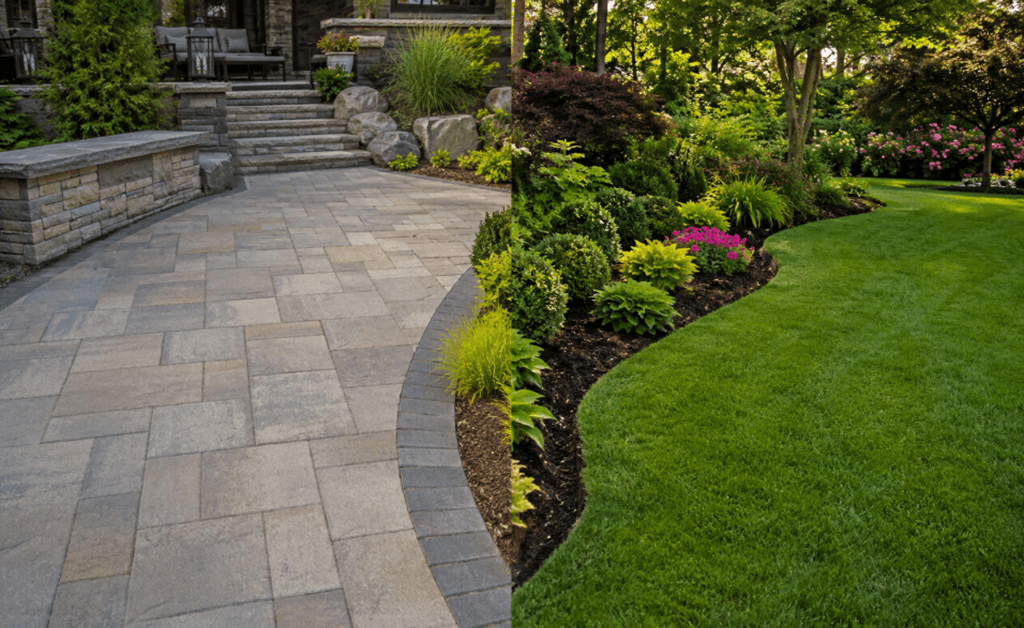
Grading is a term used to describe a procedure during which a property owner changes their land’s level to make rainwater flow properly. Your ground should slope gradually away from your property’s foundation, allowing gravity to pull water in the right direction. By raising/lowering the level of your yard, you can create a perfect water drainage route. If you’re searching for yard drainage ideas, grading is a foundational approach that can make a big difference.

Steps to Fix Bad Drainage with Yard Grading – The Professional Way

Improper leveling of the soil is a problem solved by specialists who have access to necessary instruments. If you’re searching for drainage ideas for a yard, here is how we solve the issue.

Yard Assessment

We analyze your property and establish the location where water gathers. Besides, we determine the initial sloping of your terrain and identify any barriers like tree roots or walkways which could impact natural water flow. Our approach ensures we find yard drainage solutions suited to your specific situation.

Plan the Grading

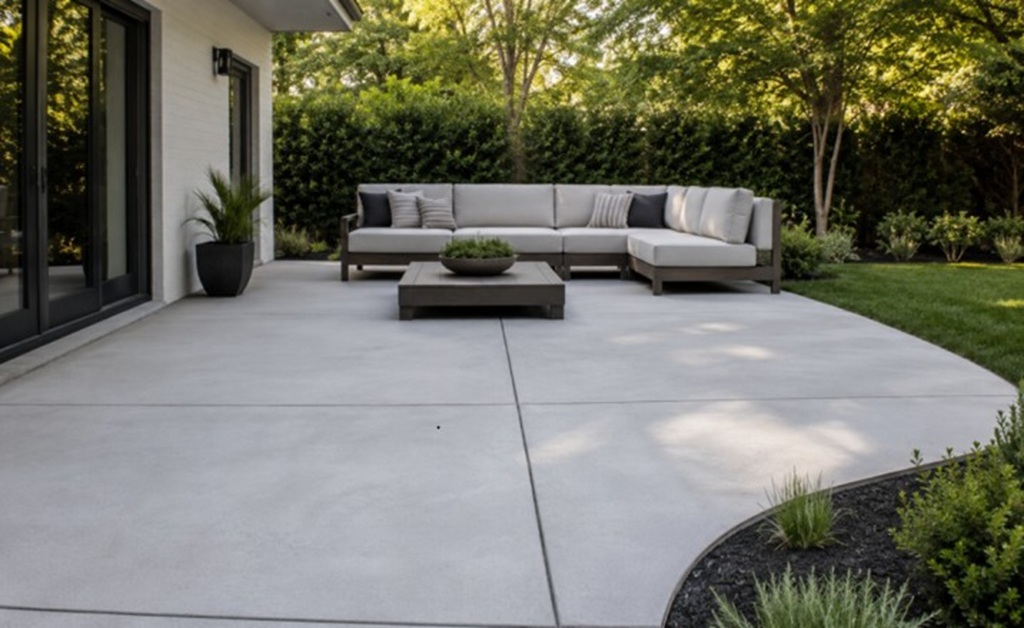
We estimate the necessary drop in height to create a slope to guide water away from your home. For this purpose, we measure the drop using special surveying instruments. On average, the drop should reach six inches within ten feet from your property. When it comes to patios or hard surfaces, grading a patio for proper drainage is also essential to prevent water from pooling near your foundation.

Different Methods of Grading

Depending on how complex the problem is, there are several ways to grade your lawn. First, we may cut swales (gentle dips) into the surface to allow water to flow to the storm drain. Second, in order to prevent certain areas from accumulating water, we create small dirt hills called berms. Lastly, in case of significant drainage problems, we may consider installing a French drain.

Materials Used for Grading

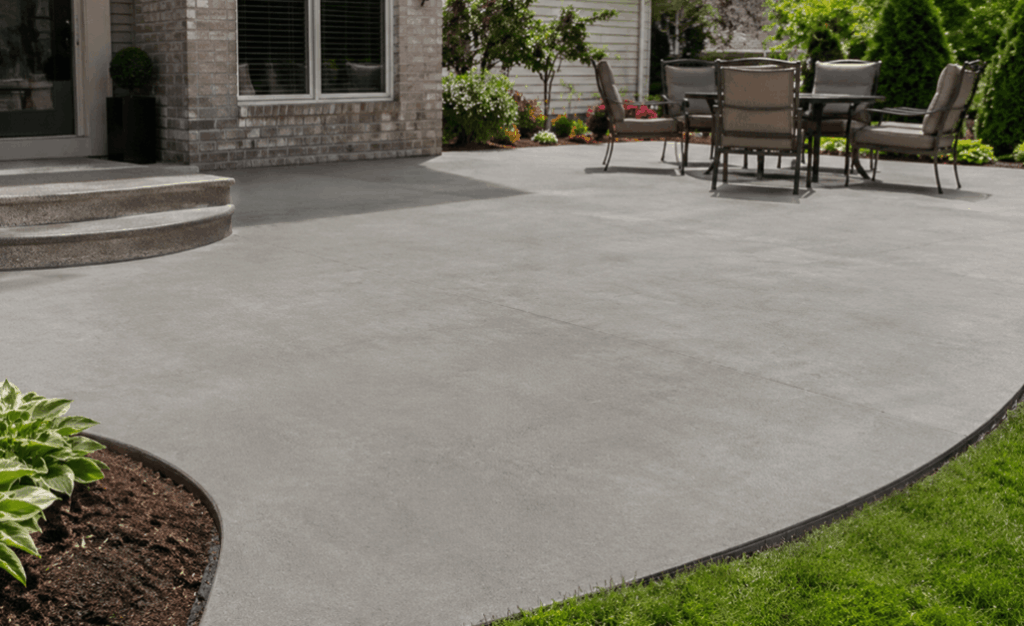
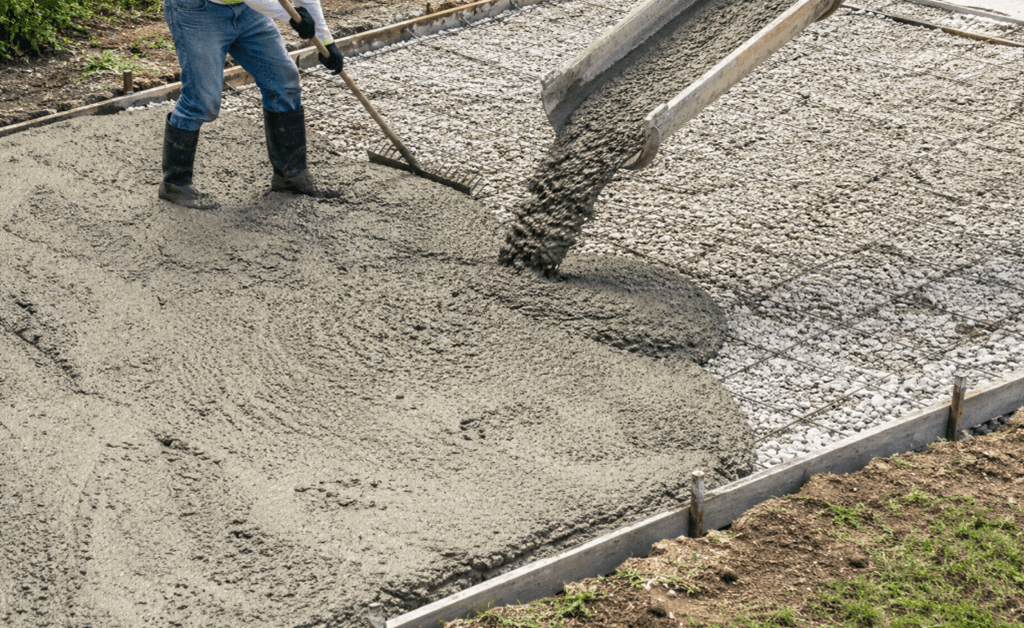
However, moving soil alone does not solve your problem completely. You need to combine your efforts and use a certain amount of dense fill dirt, gravel, and topsoil to create a smooth surface. Since we deal with custom concrete, we may pour concrete in a specially leveled place creating patio or pathway with appropriate slope.

Protect Your Property from Flooding

Water is a common element, and you should learn how to protect your property from it. The best way to avoid any problems with flooding is making your lawn slope properly to channel water away. Contact us now, and we will give you a helping hand in solving drainage problems!

Read More
Life expectancy of concrete

How Long Does Concrete Last? Lifespan & Key Factors Explained

We deal with custom concrete work at Bill’s, and customers often ask about durability. Every customer wants to be sure in how long the driveway, patio, or foundation will survive. It is known that the material is extremely durable, but it is not indestructible. 

Whether you’re considering a standard driveway or a stamped concrete floor, knowing something about the expected lifespan of concrete can help you to plan for the future. Understanding the properties of the material will allow you to prolong the service life through proper maintenance. So, let’s see how long your project can survive and what can affect it!

Lifespan of Concrete Structures

As it was mentioned above, your concrete project is bound to have certain service life based on its function. For example, flat surfaces like driveways, sidewalks, or patios will serve you for twenty to thirty years. On the other hand, larger structures like buildings’ foundations and retaining walls should last at least fifty years. Some of them can live for up to one hundred years.

How long does concrete last? Such a gap exists due to the higher engineering requirements imposed on important infrastructure than on regular residential structures. However, your efforts to maintain such facilities can change it considerably.

Factors That Can Affect the Durability of Concrete Structures

Concrete Mix Design & Material Quality

The first factor is obvious since the concrete mix used is of primary importance. Our specialists create the optimal mix to obtain maximum strength and workability at the same time. We choose carefully selected aggregate and use chemical additives to increase durability, which has a significant impact on the lifespan of concrete.

Perfectly Conducted Pouring and Curing

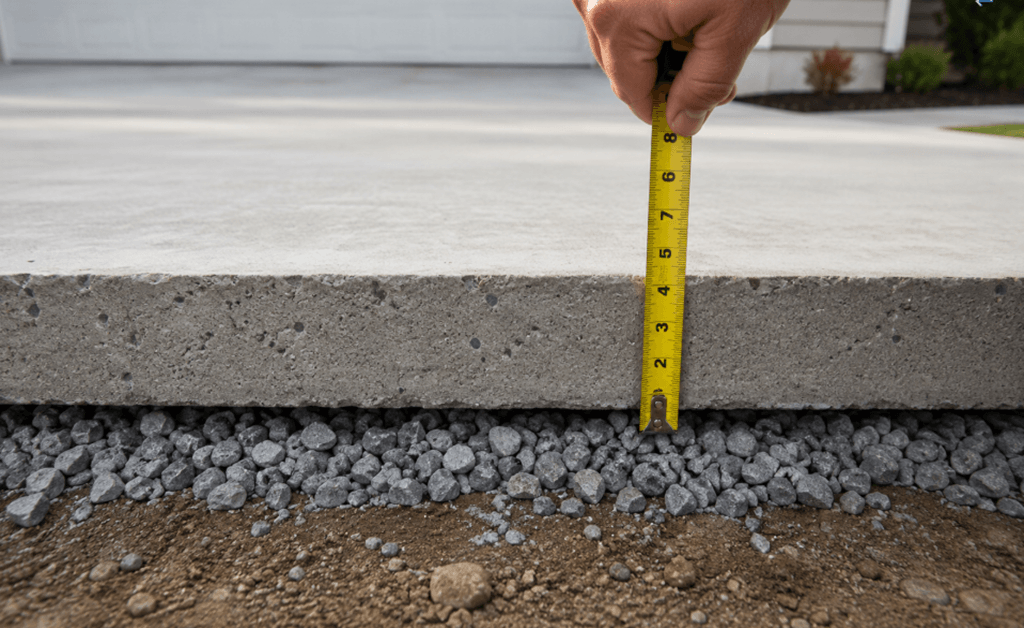
Even if you purchase the most expensive mix, it will become useless if the site preparation is done incorrectly. Proper subgrade preparation creates a compacted base which is necessary to prevent further sinking and cracks formation. The skill of our experts ensures that the project is leveled ideally, while curing guarantees gradual evaporation of internal moisture leading to the maximum strength. This attention to detail is a key factor in maximizing the concrete lifespan.

Climate Conditions

Natural conditions also play an essential part in the longevity of the concrete structure. Factors such as life expectancy of concrete can be greatly influenced by the freeze-thaw cycle, which leads to expansion and contraction resulting in surface spalling and cracking. Constant exposure to temperature fluctuations, moisture, and corrosive substances like de-icers will lead to quick degradation during only several winter seasons. Planning and preparing for such factors while pouring the surface can prolong its lifespan.

Usage and Loading

According to the scenario of usage, your concrete structure will either last for longer or shorter period of time. Heavy loading caused by vehicles and machines is an additional load for your surface. The difference between your backyard patio and busy commercial docks is great.

Maintenance

Proper maintenance is also crucial as it prolongs the lifespan of the concrete surface. Regular cleaning removes contaminants that damage the surface. Moisture barriers, sealing, and timely repairing prevent cracks development and collapsing of the surface.

Conclusion

In general, concrete is highly durable and protects well if the right pouring procedures are followed. Our specialists at Bill’s Custom Concrete are aware of the problems related to skipping the curing process and using low-quality mixes. With information about contributing factors, you will be able to prolong service life! 

Read More
Fix a Flooded Backyard Using French Drains

How to Fix a Flooded Backyard Using French Drains

Sometimes the slightest precipitation can ruin the beauty of your yard. Not only do puddles harm your lawn, but they also turn your entire living area into one huge swamp. Besides making your yard look unsightly, water can get under your house’s foundation and lead to expensive fixes. Immediate action must be taken in order to protect your property in the future. 

Being specialists at Bill’s Custom Concrete, we come across quite a lot of gardens where there are puddles, thus threatening the integrity of the newly created patios and driveways. While pouring concrete, our main concern is perfect drainage. One of the most efficient methods of dealing with this problem we recommend and apply is a French drain solution.

The Ins and Outs of French Drains

Water follows the route of least resistance. Knowing how to fix a flooded backyard often starts with understanding this principle. French drains take advantage of this fact to preserve your landscaping.

What is a French Drain?

A French drain features a sloping trench filled with gravel and a perforated pipe. French drains serve as a conduit through which excess water travels.

How Does a French Drain Work?

The process starts with the groundwater getting attracted by your drainage system. It goes without saying that water always moves downward. Slopes in your trench directs it towards the proper outlet, whether it is dry well, storm drain, or some other area of your property. Learning how to fix a backyard that floods often depends on installing such effective drainage systems.

Professional French Drain Installation

Installation of any drainage system requires thorough preparation and professionalism. To make sure that everything runs properly, we strictly adhere to a certain procedure.

Creating the Trench

The first step in creating a French drain involves digging a trench in your yard. It is essential to make the proper sloping at this point because water always moves downhill. For the most effective backyard flooding solutions, proper planning is crucial at this stage.

Laying Down the Landscape Fabric

Once the trench is dug, we lay landscape fabric all around it both on top and at the bottom. This layer prevents soil and plant roots from entering the drain.

Adding the Gravel Layer

When everything is ready, we put in several inches of washed gravel which forms the base layer of the drainage system. This step is a crucial part of any effective backyard flooding fix.

Placing the Perforated Plastic Pipe

Afterward, we install a perforated plastic pipe into the trench. We also ensure that holes of this pipe face downwards so that water could flow into it.

Covering with Gravel and Landscape Fabric

One of the last things we need to do is cover the pipe with a layer of gravel leaving some free space at the top and wrap landscape fabric on both sides of it.

Topsoiling

In the end, we cover the drain trench with a layer of topsoil and sow new grass. Within a month, grass will grow back over the drain.

Keep Excess Water Away From Your Property

Excess water is a serious threat to the beauty and stability of your garden. Backyard flooding can result in cracks in your patio as well as sinking of your driveway. Good drainage will help you avoid costly fixes in the future. All concrete products we provide are guaranteed to last a lifetime, however, they can only survive long enough if proper drainage is ensured. Contact us today at Bill’s for French drains and custom concrete solutions!

Read More
Professionals Fix a Sinking Concrete Slab

How Professionals Fix a Sinking Concrete Slab: Step-by-Step Guide

Having noticed a sinking slab of concrete at your home or business premises is quite worrisome indeed. Whether you need help repairing concrete driveway sections or addressing sunken walkways, such an occurrence poses safety risks to people and could potentially damage the nearby building structure. As a professional concrete company, we are well aware of the issue at Bill’s Custom Concrete, and we want to offer some advice.

Sinking occurs because of the settlement or washing away of the soil underneath the slab. However, there are ways to fix such a problem without having to demolish the existing concrete and pour a brand-new one. In fact, our team provides modern solutions that help fix sinking concrete efficiently and with minimal disruption.

Here is the process our professionals employ to repair a sinking slab of concrete! 

Assessment and Diagnosis

First, it is important to examine the concrete thoroughly to detect the reason behind the problem. In general, poor drainage, soil erosion, or natural settling are some of the factors that may cause such a phenomenon. Also, measuring the amount of subsidence and observing the surroundings help to ensure a lasting solution.

Determining the Repair Approach

Once the reasons for the problem have been determined, we choose a technique that will help us to lift the slab successfully. If you’re wondering how to fix sinking concrete slab issues, there are two main methods commonly employed across the industry – mudjacking and slab jacking (sometimes referred to as polyurethane jacking). 

While the first one consists of the usage of a heavy slurry of sand and cement, polyurethane requires the pumping of lightweight high-density foam under the slab. Usually, we opt for the second approach since it requires a much smaller size of holes to be drilled and, therefore, puts less pressure on the compromised soil below.

Preparation

As we mentioned above, proper preparation is crucial to ensure the success of lifting a concrete slab. Therefore, the first thing we do before carrying out repairs is cleaning the surface of concrete thoroughly to remove all possible debris. Then, we mark the areas where holes are required to be drilled. And finally, we drill them using masonry drills that make the holes relatively small in diameter.

The Process Itself

During the concrete sinking repair phase, our approach ensures both precision and durability. Once the necessary holes have been drilled in the surface of concrete, we are ready to move further. 

First, we install special injection ports to our holes and attach a pump. Then, if we are going to use polyurethane foam for the repair, we begin to pump it into the holes gradually until the surface reaches the desired level. 

In order to avoid excess elevation, we pump in small portions to control the process. And, as soon as everything is done, we fill the holes up with cement paste.

Care and Maintenance after the Process

Normally, the surface becomes safe for everyday use within a few hours following repairs. However, maintaining stability is essential to prevent any further problems. If you want to ensure long-term results, it’s important to consider sunken concrete repair techniques as part of your ongoing maintenance. We strongly recommend changing the direction in which water flows, as well as adjusting landscaping so that it does not allow any additional accumulation of moisture.

Ensuring a Safe Environment

Repairing a sinking concrete slab timely helps to avoid more serious damage and expenses associated with such. Our professional techniques for lifting ensure that we can solve the problem effectively. If you’re interested in fixing sinking concrete slab issues efficiently, we’re here to help. In case you have discovered uneven concrete at your premises, contact us and receive top-notch services! 

Read More
Concrete Settling Repair Prevention Tips

Concrete Settling Repair: Causes and Prevention Tips

Settling concrete is one of those problems that just appears out of nowhere (sorry!). One day everything is fine, and the next, you notice a line forming or an area in the driveway that was not there before. If you are experiencing problems with settling concrete, you are not alone, and the good news is, it can be corrected. 

At Bill’s Custom Concrete, we have helped numerous individuals with their concrete problems – as Edmond concrete contractors, we’ve seen it all. Learning about the causes and the solution for settling concrete will save you a lot of headaches in the future! 

What Causes Concrete to Settle?

Your concrete does not just fall or sink into the ground for no reason. There is a reason for it, and it is generally something going on underneath it. One of the main causes of settling concrete is erosion. Erosion can cause the ground underneath your concrete to fall or sink, resulting in settling concrete. This can be avoided by making sure you have adequate drainage in your yard. If you’re already dealing with these issues, seeking concrete settling repair services promptly can help prevent further damage and restore your surfaces.

Another cause of settling concrete is improper soil compaction. This means the ground was not properly prepared before the concrete was poured, and it will eventually fall or settle unevenly over time because of the soil compressing underneath the concrete from the weight. In many cases, concrete settlement repair becomes necessary when this happens. 

Also, moisture can cause all sorts of problems. Moisture, or water, in the ground will expand, and when it dries, it will contract. This causes the ground underneath your concrete to shift, resulting in uneven surfaces over time.

How to Spot the Signs of Sinking Concrete

Cracks, for instance, are normally the first signs of a problem. Hairline cracks, though seemingly insignificant, can easily widen should the problem not be addressed. In many cases, concrete settling is the underlying issue that causes these early warning signs to appear.

Another indicator is uneven surfaces. If you notice that some parts of your driveway or patio are lower compared to other parts, then you should be worried because it is a sure indicator of settling.

Water pooling can also occur. With settling concrete, it can eventually develop low spots where water will tend to pool instead of draining properly.

Repair Options That Actually Work

When it comes to repairing settling concrete, we often recommend two options that work:

Mudjacking is a process that has been in existence for decades. This process involves injecting a combination of mud, sand, and cement into the concrete, which in effect lifts it back into position. This is a viable option because it is quite cost-effective, though the material used is quite heavy and might end up settling even further in the future.

Another process, though not quite as traditional as the first, is the polyurethane foam injection process, which has also been seen to work quite well. This process involves injecting a lightweight material into the concrete, which in effect lifts it up into position. This process is quite fast and minimally invasive and will not add any weight to the soil underneath.

These two options are quite cost-effective compared to repairing parts of the concrete.

Don’t Wait – Address Settling Now

If you are experiencing settling, then you should not wait any further to fix the problem because small problems will eventually become bigger problems. What is a small problem today may become a bigger problem in the future, which may result in damaging your property (and bank account!).

We’ve worked with homeowners who have waited too long, and the price tag for the repairs is much steeper than it would have been if they had made the repairs sooner. If you are seeing any of the above signs of settling, it’s important to consider the potential concrete settlement causes at play. Contact a concrete professional at Bill’s today. We can assess the damage, figure out the best way to make the repairs, and get your concrete level and safe once again.

Taking care of your concrete today will ensure it stays in the best condition for years to come! 

Read More